Dr. MD Mudassar Qamar
India and the Arab world have a diverse and multifaceted nature, rooted in thousands of years of cultural ties, trade relations, and people-to-people exchanges. Arab traders and tourists have been visiting India for centuries, establishing strong ties with the local communities on the Malabar Coast. They have taken Indian spices, folklore and knowledge systems to different parts of the world. Religious, cultural and trade ties have continued into the Middle Ages, and several Indian trading communities have established their centres in Muscat.
During the British era, Arab traders from the Gulf region regularly visited India, and many traders made Mumbai their trading centre. The shared colonial experiences during the freedom struggle brought India and the Arab world closer together, and these experiences have influenced many national movements in the Arab world, including Egypt, Syria, Iraq and Algeria.
After India's independence, diplomatic and friendly relations were gradually established with the newly independent Arab states. Despite the geopolitical upheavals of the Cold War, relations between India and the Arab world continued to flourish as India led the Third World through the Non-Aligned Movement. During this period, India's relationship with Egypt, Iraq and Syria was exemplary, and India strongly supported the right of the Palestinian people to self-determination and an independent state. At the same time, a large number of Indian workers went to the Gulf countries to work in the oil industry, with Saudi Arabia and the United Arab Emirates emerging as prominent centres.
The change in India's foreign policy after the Cold War brought new dynamics to relations with the Arab world. Under the concept of a wider neighbourhood, relations with the Gulf Cooperation Council countries improved. Trade, business, oil imports and Indian manpower migration became the main pillars of these relations. Along with this, cooperation in the fields of defence and security also increased, where piracy, organised crime and terrorism became issues of common concern. These relations have further strengthened in the 21st century and witnessed high-level diplomatic and political exchanges.
After the election of Prime Minister Narendra Modi in 2014, India focused on strengthening ties with the Arab world. The visit to the UAE in August 2015 was the first in a series that laid the foundation for a closer partnership with the Gulf region. Trade, investment, defence and counter-terrorism were prioritised, resulting in a significant increase in political, diplomatic, defence, economic and cultural ties.
2025 proved to be another important year for India-Arab relations. During this time, the Prime Minister, the Foreign Minister, the Defence Minister, and the Commerce Minister visited several Arab countries, while New Delhi hosted political, military, and business leaders from the Arab world, highlighting India's importance.
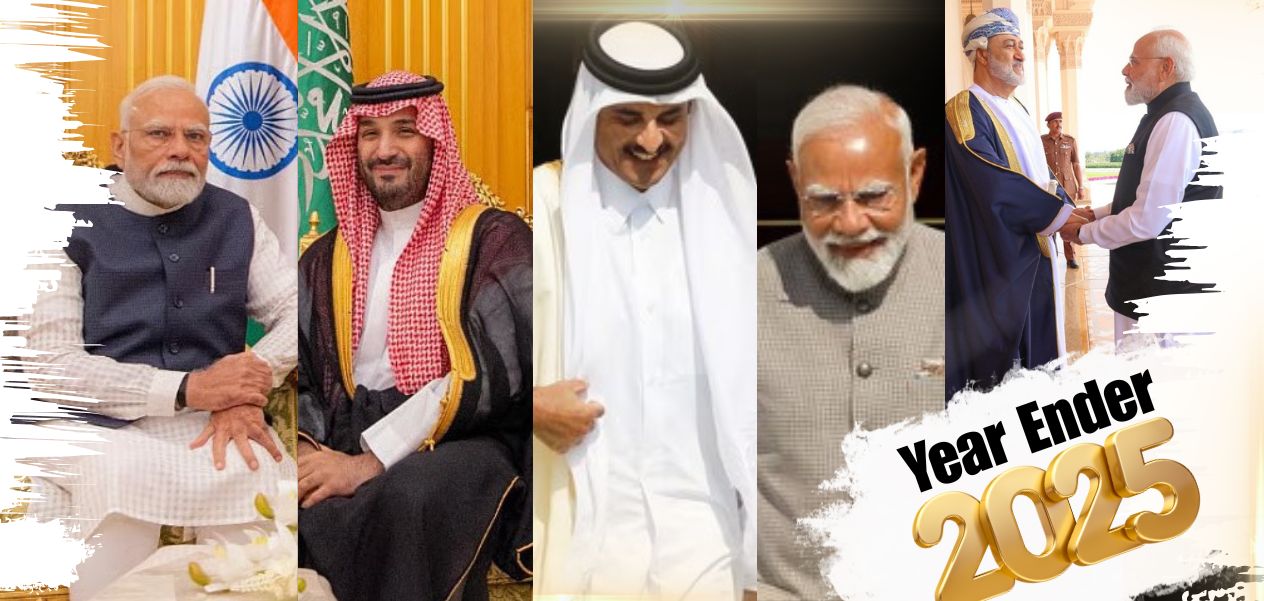
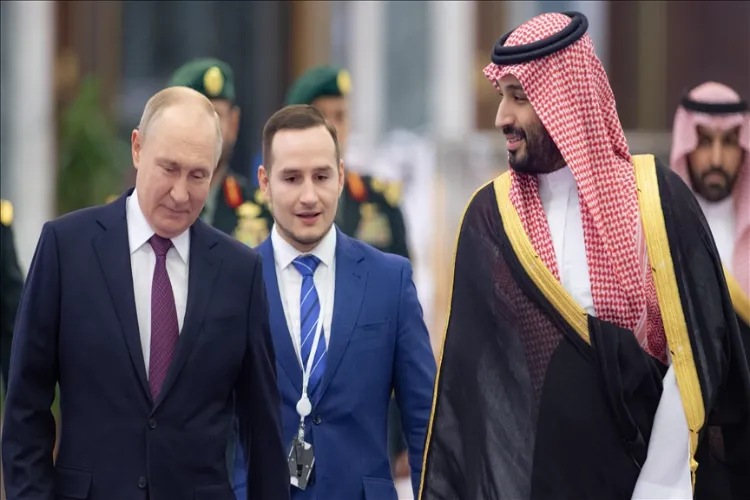
The year's notable political and diplomatic activities included Prime Minister Modi's visit to Saudi Arabia in April 2025, his third visit. On this occasion, it was agreed to increase cooperation in all sectors, including trade, energy, investment and defence, and cultural ties were also further strengthened.
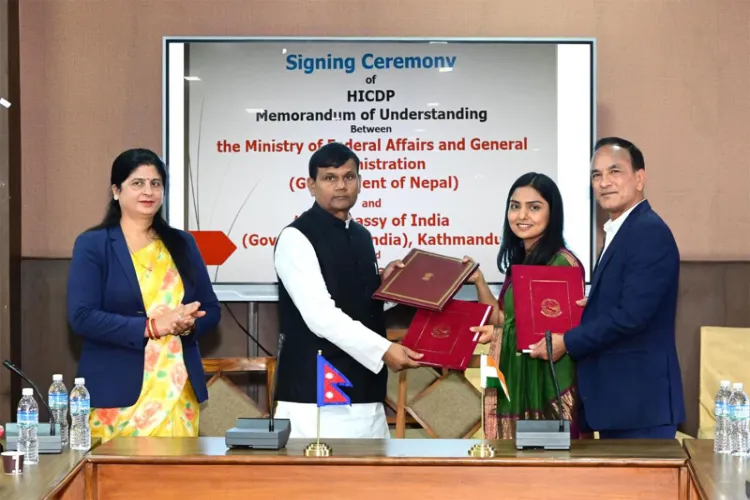
In December 2025, the Prime Minister visited Jordan and Oman. This was the first official visit to Jordan, marking the completion of seventy-five years of diplomatic relations and highlighting Jordan’s importance in West Asia. A Comprehensive Economic Partnership Agreement was signed with Oman, the second free trade agreement with the Gulf countries, and MoUs were signed to enhance cooperation in various sectors.
External Affairs Minister S Jaishankar visited the UAE twice in 2025, where he held high-level talks and discussed the geopolitical and security challenges facing the region. After the Pahalgam attack, Indian parliamentary delegations visited Bahrain, Kuwait, Saudi Arabia, Algeria, Qatar, Egypt and the UAE and explained India's stand against terrorism.
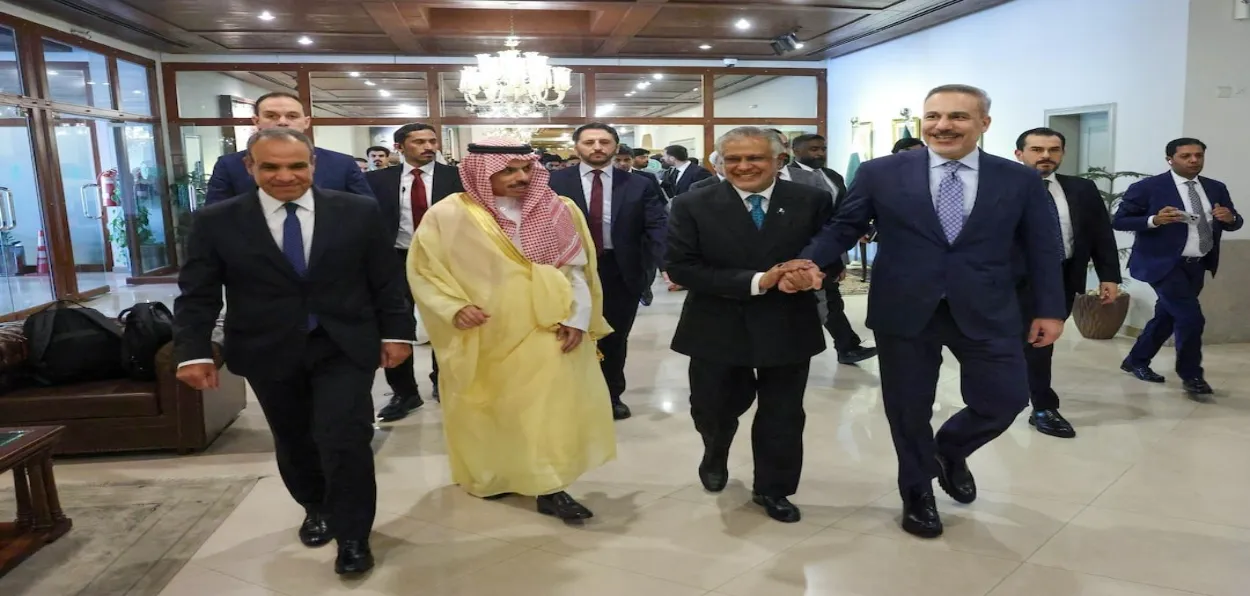
There were also important visits from the Arab world, including the visit of the Emir of Qatar, Sheikh Tamim bin Hamad Al Thani, in February 2025, who agreed to increase cooperation in trade, energy, technology and culture. The Egyptian Foreign Minister visited India in October and the Bahraini Foreign Minister in November, further expanding bilateral relations.
At the economic level, India and the Arab world have maintained strong relations. In the financial year 2024-2025, bilateral trade reached US$ 226.43 billion, and is a major share of India's total trade. The United Arab Emirates, Saudi Arabia, Iraq and Qatar remain India's major trading partners. The Arab world invested US$ 31.34 billion in India from April 2022 to September 2025. Of this, the major share was ofthe United Arab Emirates and Saudi Arabia.
Remittances from Indian workers in the Gulf countries also remained a key pillar of these relations. In the financial year 2024-2025, India received remittances worth US$ 135 billion, a large portion of which came from the Gulf. The Arab world also played a central role in oil and gas imports, making energy security the cornerstone of bilateral relations in 2025 as well.
Significant progress was made in the field of defence and security. Defence cooperation with the United Arab Emirates, Egypt, Saudi Arabia, Oman, Morocco and Jordan increased, including joint exercises in defence production, maritime security and counter-terrorism. Defence Minister Rajnath Singh's visit to Morocco and visits of military chiefs to Algeria and the United Arab Emirates are examples of this cooperation. Joint military exercises such as Cyclone Alam Al-Sahra and Desert Storm further strengthened military coordination.
Cultural and people-to-people contacts are also growing rapidly. Arab students are studying in India in large numbers, while cooperation in the health sector has also increased, with many Arab patients coming to India for treatment. Cooperation in film, culture, sports, tourism and heritage preservation has increased, and Indian films, music and sports competitions have remained popular in the Arab world.
ALSO READ: Visiting Lord Ayyappa’s Muslim friend Vavar during the Sabrimala pilgrimage
In short, in 2025, India-Arab relations were further strengthened on the basis of shared vision and mutual interests. Global political and economic changes gave a new dimension to these relations. Along with trade, investment, energy and security, food, health, environment, water and cultural ties also emerged as new areas of cooperation. 2025 once again offered a glimpse of the ancient relations and bright future of India-Arab relations.
The author is an Associate Professor, Centre for West Asian Studies, Jawaharlal Nehru University.










.webp "Representational image")
.webp "MEA spokesperson Randhir Jaiswal")