New Delhi
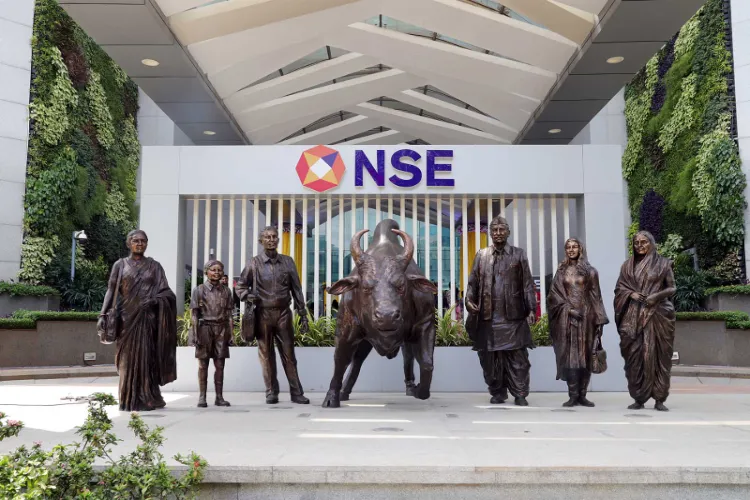
With oil prices surging over 3 per cent, amid continued disruptions in the Strait of Hormuz, analysts expect the immediate market reaction to remain “risk-off,” warning that a sustained rise in crude prices could pressure the rupee, inflation, corporate margins and market valuations.
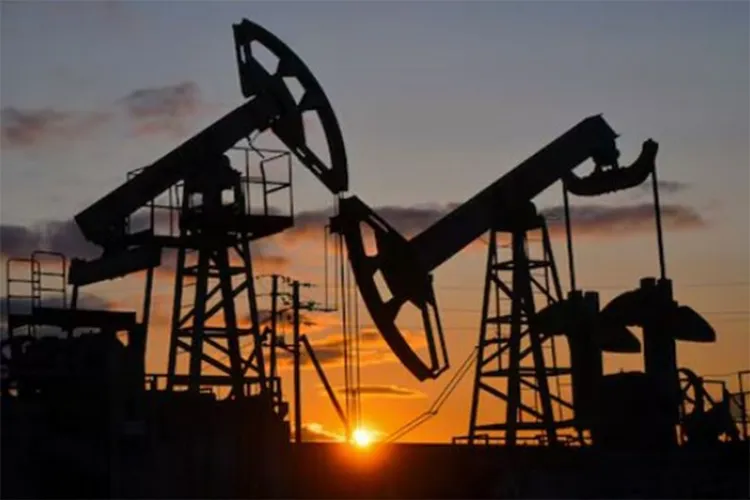
Brent crude surged to around USD 108 a barrel on Monday as persistent disruption to shipping through the Strait of Hormuz heightened concerns over global energy supplies, while US stock futures edged lower. Meanwhile, S&P 500 futures fell slightly over 0.5 per cent ahead of the resumption of US stock trading.
At the time of reporting, Brent crude was trading at around USD 107.64 per barrel while crude oil was trading at around USD 103.30 per barrel.
Investors remain focused on shipping disruptions in the Strait of Hormuz with analysts expecting them to remain cautious.
Market analyst Vipin Dixena noted, “With Brent crude moving above USD 108 and Asian equities coming under pressure, I would expect Indian markets to begin Tuesday with a clear risk-off bias.”
As per the analyst, the key issue for India is not simply the 3 per cent rise in crude, but whether oil remains above USD 100 for an extended period, as that can put pressure on the rupee, inflation expectations and corporate margins, particularly for oil-importing sectors.
“I would therefore expect weakness in rate-sensitive and consumption-oriented pockets, while energy-related stocks could remain relatively resilient,” he said.
Likewise, Manoranjan Sharma, Chief Economist, Infomerics Valuation and Rating Limited, noted, the immediate market reaction is “risk-off.”
“Brent at USD 108 a barrel is certainly negative for India, but its ultimate damage depends on whether the spike is brief or sustained and whether it disrupts physical supply. India imported 88.6% of its crude requirement in April–January FY26, making the economy vulnerable to a burgeoning dollar oil bill,” he noted.
As per the economist, higher crude compresses margins for airlines, paints, chemicals, logistics, cement, consumer companies and downstream oil marketers if retail prices remain controlled.
“It can also delay earnings recovery, raise bond yields, weaken the rupee and prompt foreign portfolio outflows—reducing valuation multiples,” he noted.
READ MORE:Mizan – Towards a new Muslim imagination
He further noted, “India has relatively low inflation, a CAD of 0.8% of GDP in H1 FY26 and substantial foreign-exchange reserves, which offer buffers. Yet if oil remains above USD 100 for several months, or shipping through West Asia is disrupted, the growth-inflation trade-off would significantly worsen.”

.webp "Union Home Minister Amit Shah")

.webp "Ganapati idols being hander over to activists for Kashmir")







.webp "Prime Minister Narendra Modi")