Mansooruddin Faridi/New Del
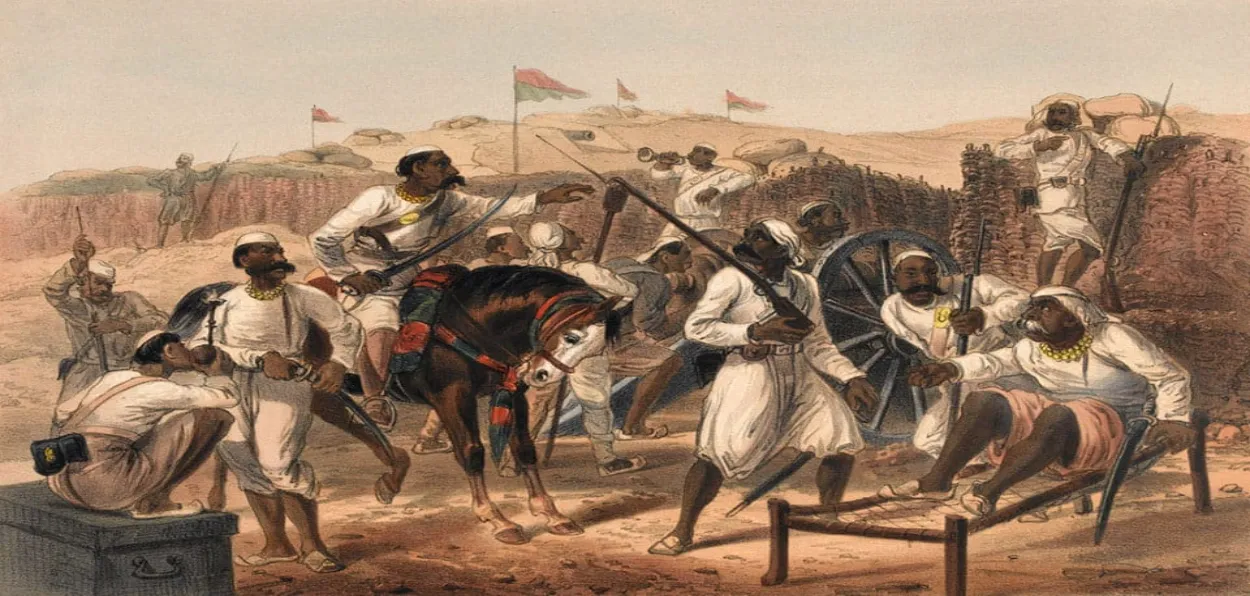
In the 1960s, India established the first rocket launching station at Thumba, Kerala, in collaboration with NASA, the US space agency. A group of engineers led by Dr Vikram Sarabhai went to the Goddard Space Flight Centre in the US for training. During their training at NASA's Wallops Island Launching Station, one of the younger engineers caught sight of a picture in the reception hall. It depicted a war scene, with rockets flying everywhere. The young man's curiosity grew, and he found out the truth.
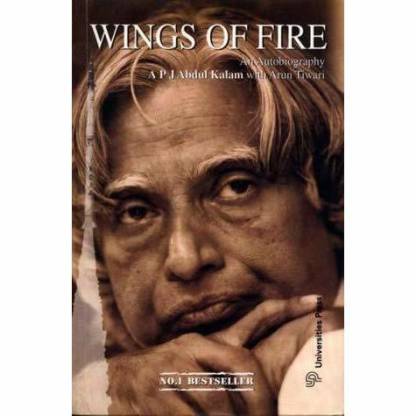
After almost 40 years, this young man, APJ Abdul Kalam, who later came to be known as the Missile Man of India and also became the most loved President of the country, has spoken about this in his autobiography, Wings of Fire.
"... 'One of the pictures showed a war scene. In the background, a few rockets were flying. Such a subject should be a common sight in any flight facility. But this picture caught my attention because the soldiers firing the rockets were not white, but had dark skin and looked like people from South Asia. One day, curiosity compelled me to go closer to the picture. It turned out that it was Tipu Sultan's army fighting the British. The picture was showing a reality that has been forgotten in Tipu's own country but is remembered here in another part of the world. I am happy that NASA has honoured an Indian as a hero of war rocketry."
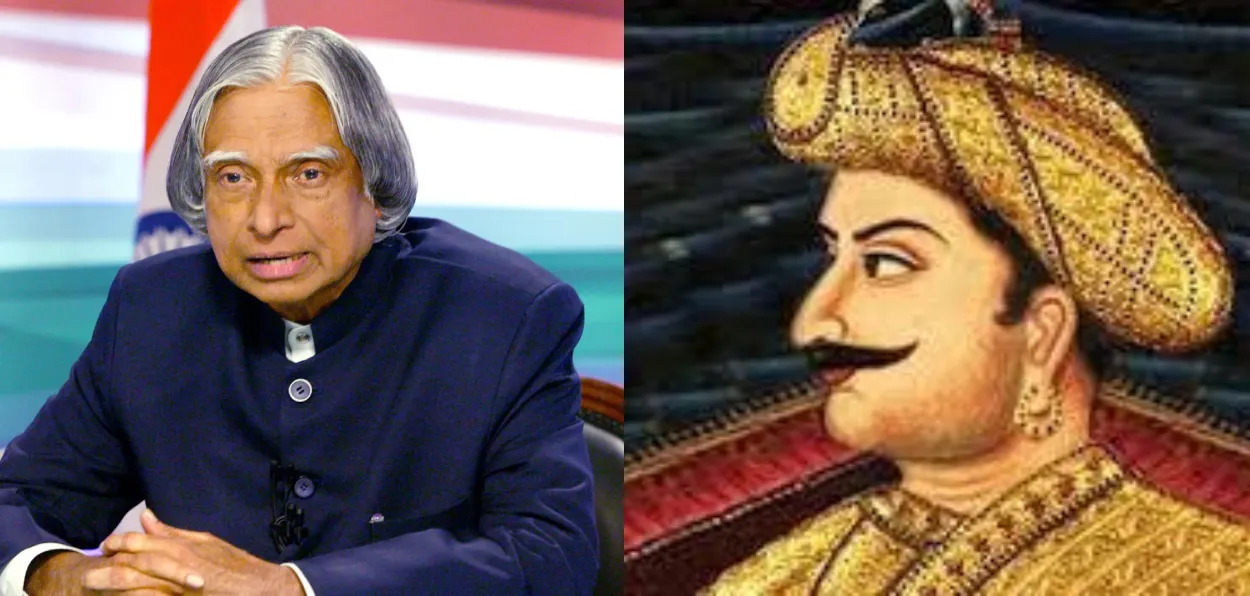
Both minds focused on rocket technology. In a way, Tipu Sultan was the inventor of rockets in the era of swords. In the modern era, Abdul Kalam gave a strategic weapon by developing India's first indigenous Missile, to be called the Missile Man of India.
Tipu Sultan and APJ Abdul Kalam are examples of Indians born with a strong spirit of patriotism and also as Muslims who loved their country. Tipu fought four wars against the British 200 years ago and did not let go of the sword to protect the beloved homeland until his last breath. While in the 20th century, Abdul Kalam not only headed the country's most sensitive defence system but also became a symbol of the patriotism of Indian Muslims with dignity. Today, all Indians salute the bravery of the Lion of Mysore Tipu Sultan and also bow to Kalam's patriotism. Both are cited as examples of great Muslims in popular narrative.
Tipu Sultan's interest in the field of defence systems and military technology made the Mysore Army a school of military sciences during that period. The use of steel shells in rockets gave it the status of a new invention.
Today, when the world explores space and is seeking to land on stars and planets, rocket technology experts are marvelling at Tipu Sultan's idea of rockets, 200 years ago. This gave Indian an edge over Britain in the field of rocket technology. Ironically, when the British praise the Duke of Wellington, Colonel Arthur Wellesley, for his victory over Napoleon in the Battle of Waterloo in 1815, not many know that he had retreated from the battlefield of Mysore in the face of Tipu Sultan's rocket attacks.
In April 1799, in the Fourth Anglo-Mysore War, Tipu Sultan's army crushed the British. The British had been defeated in three previous wars. But this time, after a month of siege and battle, the traitors hiding inside the fort opened the main gates and Tipu Sultan was martyred while fighting till his last breath. The British felt relieved, but first of all, they collected the empty shells of Tipu Sultan's rockets from the battlefield and sent them to Britain for research. The study formed the basis of the British rocket project.
After studying the shells at the Royal Library in Dulwich, Colonel William Congreve completed the mission of making British rockets. Colonel William, after testing these rockets in 1802-03, confirmed that the range of the largest rockets available in Britain at that time was less than half that of the Mysore rockets. However, with the help of the rockets developed by William Congreve after 7 years of research in London, Britain achieved major military successes, the most important of which was against Napoleon.
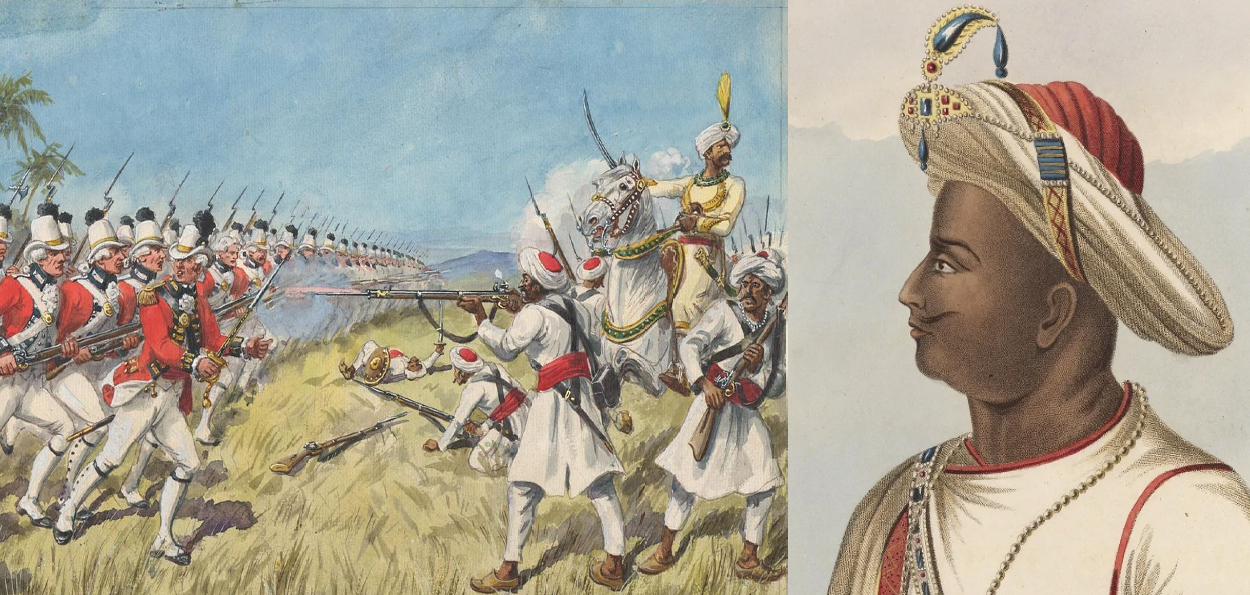
In 1804 when the French army reached the other side of the English Channel, but with the help of these rockets, the French army was disintegrated. After this great success of Britain, a rocket brigade was included in every army in the world.
Kalam, who was the driving forces behind India developing its defence systems especially rocket technology, said, "I wonder how Tipu Sultan built the world's first war rocket 200 years ago? What was the environment that gave birth to this kind of technology on our soil?"
It should be remembered that on May 11, 1998, when the whole world woke up to an earthquake in the Rajasthan desert, India had conducted five underground nuclear tests. The entire nation had raised the slogan of "Kalam Salaam" in one voice; the leader behind these tests was Kalam.
Kalam, who was awarded the Bharat Ratna in 1997, had also been credited with the development of several missiles, including Prithvi, Trishul, Akash, Nag, and Agni.
ALSO READ: Theatre wizard Zafer Mohiuddin shattered stereotypes and taboos with his art
He had also announced the return of rocket technology to this land that had stunned the world with rocket technology 200 years ago. There is no doubt that Tipu Sultan or APJ Abdul Kalam are not among us today, but the minds and passion of both of them are still an example and a torch for all of us today.