Kochi
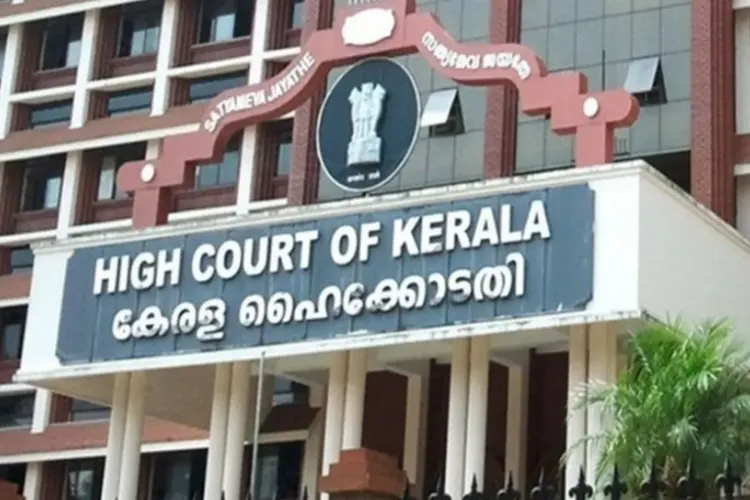
The Kerala High Court on Tuesday put on hold certain observations made by a vigilance court while granting bail to Sabarimala tantri (chief priest) Kandararu Rajeevaru in connection with the alleged gold loss cases.
The interim order was issued by Justice A. Badharudeen while hearing an appeal filed by the Special Investigation Team (SIT), which has sought cancellation of the bail and expunging of the vigilance court’s remarks. The High Court has also issued a notice to Rajeevaru, asking him to respond to the SIT’s plea.
Director General of Prosecution T.A. Shaji confirmed the development.
In its appeal, moved through Additional Public Prosecutor P. Narayanan, the SIT argued that granting bail to the tantri had led to a “grave miscarriage of justice.” It also contended that the observations made by the vigilance court could adversely impact the ongoing investigation.
On February 18, the Court of Enquiry Commissioner and Special Judge (Vigilance), Kollam, had granted bail to Rajeevaru, stating there was not even “an iota of evidence” against him in the cases related to the alleged disappearance of gold from temple artefacts.
The SIT is probing suspected misappropriation of gold from the Dwarapalaka (guardian deity) idols and the door frames of the Sreekovil (sanctum sanctorum) at the Sabarimala temple.
Rajeevaru has been named as the 16th accused in the Dwarapalaka case and the 13th accused in the Sreekovil case. The vigilance court had granted him bail in both matters, though the SIT has specifically challenged the relief granted in the Dwarapalaka case.
According to the SIT, the special court’s observations were “unwarranted and unnecessary” and could hinder further investigation. It also stated that the tantri’s opinion had influenced the Travancore Devaswom Board’s decision to entrust the temple artefacts to another individual.
The vigilance court had earlier noted that the SIT’s allegation of criminal conspiracy did not hold, pointing out that Rajeevaru had not signed the key mahazar dated July 20, 2019. It also observed that his signature on an earlier mahazar dated July 19, 2019, by itself, was insufficient to implicate him in the absence of other incriminating evidence, especially since it followed a formal board decision.
Challenging this, the SIT claimed that Rajeevaru deliberately refrained from signing the July 20 document despite being present at Sannidhanam, in an attempt to avoid direct accountability while still facilitating the alleged illegal handling and movement of sacred artefacts outside the temple.
READ MORE: JK bureaucrat Anissa Nabi promotes fitness among women, youth
The SIT further alleged that he was present on July 19 when the first mahazar was prepared and had signed it, even though the gold-plated artefacts were reportedly misrepresented as copper plates, allowing their removal from the temple premises.











.webp "Congress MP Priyanka Gandhi Vadra")