Mir Altaf
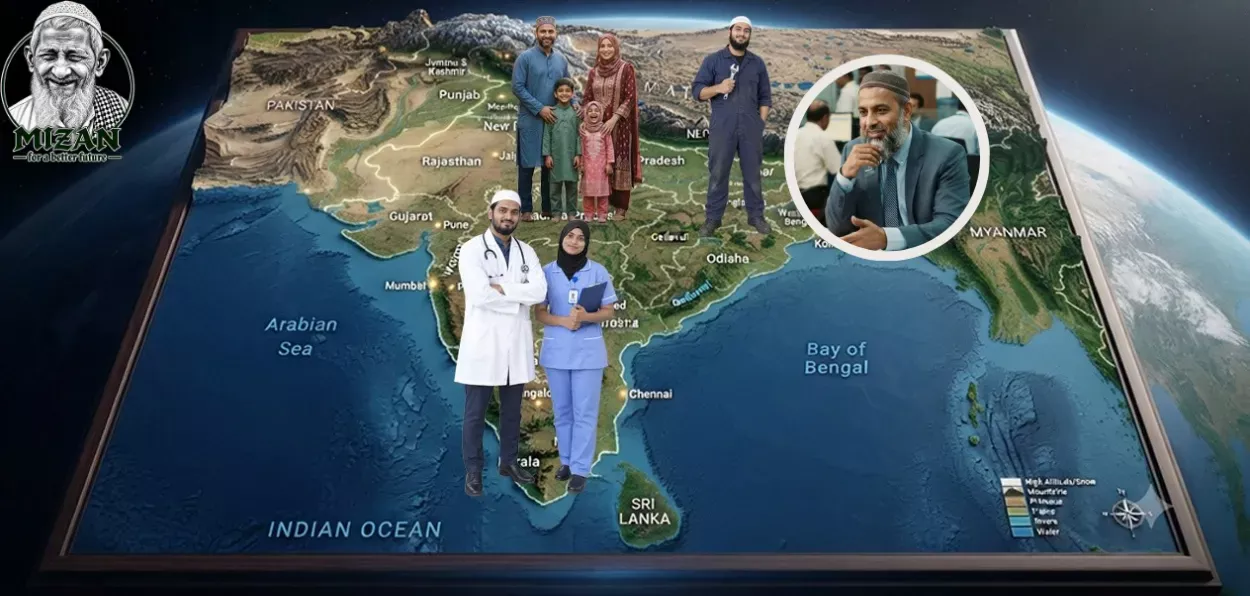
India stands at a defining moment in its demographic and economic trajectory. With a median age of around 28 years and one of the largest youth populations, the country is positioning itself as a global growth engine. Where do India’s Muslim youth, forming 14.2% of the population (2011 Census), see themselves in this? More importantly, how should they position themselves for the future?
For decades, conversations about Muslim youth have been framed largely through the lenses of marginalisation, insecurity, and grievance. While there are challenges, an over-reliance on victimhood narratives risks trapping a generation at precisely the moment when the nation is at the cusp of technological and economic revolution.
When grievance becomes the primary lens through which young people interpret identity and see opportunities, it is dangerous. In a rapidly digitising economy where startups, freelancing platforms, and new-age industries are lowering traditional barriers, psychological disengagement can be more damaging than structural inequality.
India hosts the world's fastest-growing startup ecosystems; participation increasingly depends on skills and adaptability rather than inherited privilege alone. If Muslim youth emotionally detach from the national growth narrative, they risk self-exclusion from emerging opportunities.
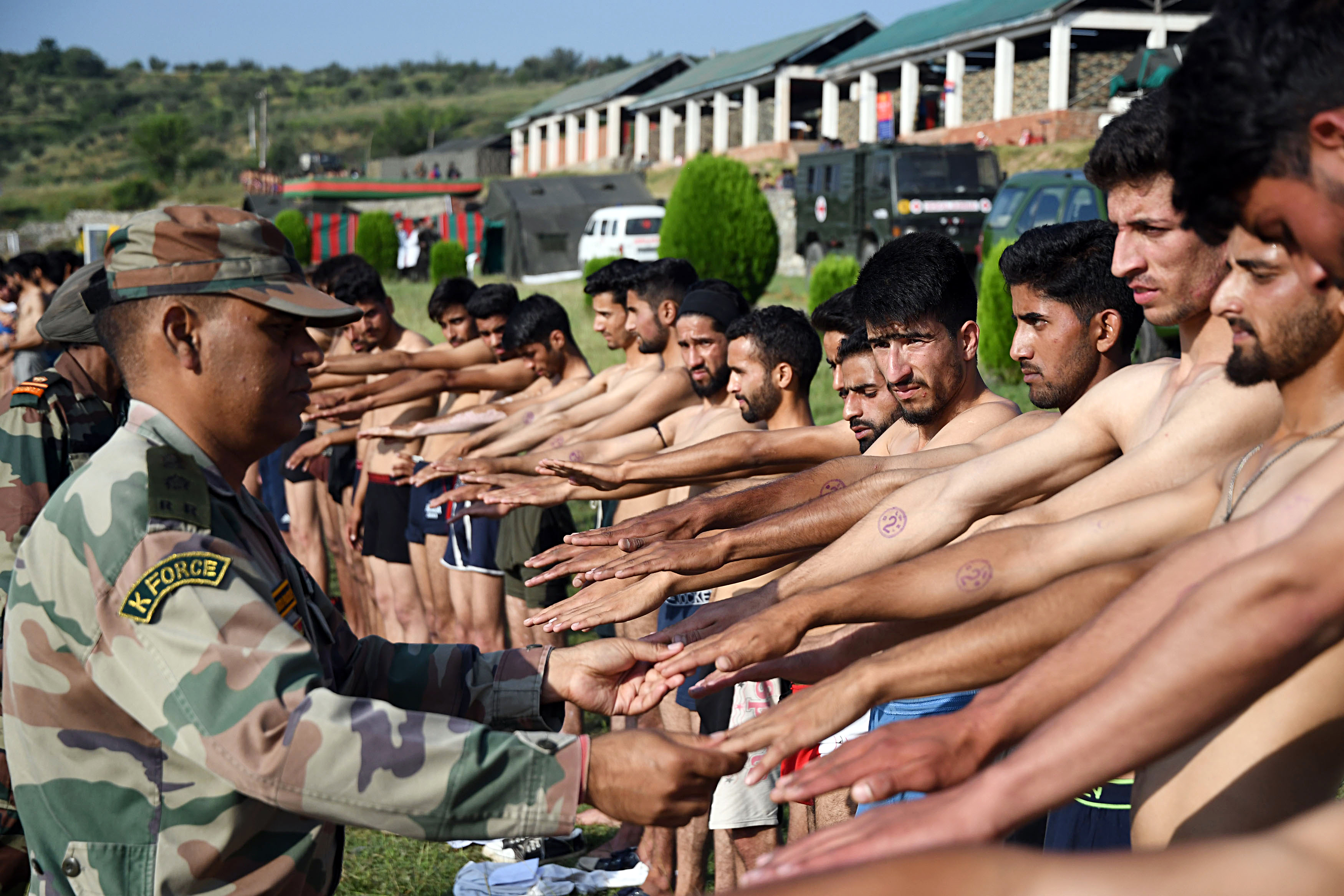 Kashmiri youth at an Army recruitment rally
The conversation among young Muslims must evolve from asking “Are we included?” to asserting, “How do we contribute?” Viksit Bharat- an ambitious target of making India a developed country by 2047- emphasises innovation, entrepreneurship, and technological capability.
The digital revolution has already lowered traditional barriers. A coder in Srinagar or Seelampur, a designer in Aligarh or Bhopal, or a content creator in Malappuram can now participate in global markets without geographic limitations. The opportunity landscape is wider than ever before. Those who adapt will rise; those who wait for perfect justice may wait indefinitely.
One of the greatest psychological obstacles confronting Muslim youth today is the perceived tension between religious identity and national integration. For many, the question is asked as a choice between preserving faith and embracing the broader national project. This framing is flawed. The vision of Viksit Bharat rejects such binaries. India’s civilisational strength has always emerged not from uniformity but from synthesis, the ability to harmonise diverse identities, cultures, and traditions within a shared political and economic framework.
From the philosophical debates of ancient India to the pluralistic traditions of the freedom movement, the country’s history demonstrates that identity and nationhood have rarely been mutually exclusive. Muslim youth, therefore, need not perceive their religious identity as a barrier to national participation. Faith and future can coexist; cultural rootedness can complement modern aspiration.
The most meaningful form of belonging in the growth story will emerge not from rhetorical assertions of identity but from active participation in building institutions, driving innovation, and shaping the nation’s intellectual and economic landscape.
Encouragingly, a quieter transformation is visible across India. Many Muslim youths are increasingly redefining identity through achievement rather than grievance. They are entering civil services, building startups, shaping digital culture, and excelling in global arenas. They are neither abandoning their religious nor cultural identity nor isolating themselves from the national mainstream. Instead, they are constructing hybrid identities, confident in heritage yet deeply invested in India’s collective progress. Consider some inspiring examples:
One story that deeply resonated with young aspirants across the country was that of Shah Faesal, who topped the Union Public Service Commission (UPSC) Civil Services Examination in 2009. Hailing from Jammu and Kashmir, Faesal lost his father at a young age when militants killed him, leaving the family to confront both emotional and financial hardship. Despite these circumstances, he persevered through education and determination to secure the top rank in one of India’s most competitive examinations. His achievement inspired thousands of young students, particularly from disadvantaged and peripheral regions, to believe that perseverance and academic excellence can open the doors of India’s highest institutions of public service.
On embracing everyone and upholding the idea of India.
— Shah Faesal (@shahfaesal) August 6, 2023
Podcast with @ramindesai @InsightWithRami
Link:https://t.co/uN0nynZQZw@IASassociation @indfoundation pic.twitter.com/wGJWlVd554
More recently, Adiba Anam, the daughter of an autorickshaw driver from Yavatmal, Maharashtra, made history by becoming the first Muslim woman from the state to clear the UPSC Civil Services Exam, securing All India Rank 142 in 2024. Despite financial hardships and setbacks in her first two attempts, she persevered and succeeded in her third try.
Another encouraging example of the emerging technological confidence is that of Huma Abia Kanta, a young artificial intelligence researcher from Guwahati, Assam. While still a high-school student, she has presented peer-reviewed papers on artificial intelligence and natural language processing at international academic conferences, becoming one of the youngest Indians to do so. She is also the founder of desiCodes, a youth-led initiative developing programming tools in Indian languages, including asPy, an Assamese–Python programming interface aimed at improving digital literacy in Northeast India.
Shabnam Khan from Mewat, Rajasthan, became the first woman engineer from her region. She didn't attend school as a child, but through a bridge course by a local institute, she caught up on years of lost education and went on to study civil engineering. Today, she works in the government's water resource department, overseeing rural construction projects.
Rizwan Sajan, who once sold milk and stationery in the lanes of Mumbai after his father passed away when he was just 16, is now the founder of Danube Group, a global brand in building materials and real estate with a turnover exceeding $1.3 billion (around Rs 10,800 crore). From Mumbai's slums to becoming one of the wealthiest Indian-origin businessmen in the UAE, his journey proves that resilience and hard work can overcome the humblest of beginnings.
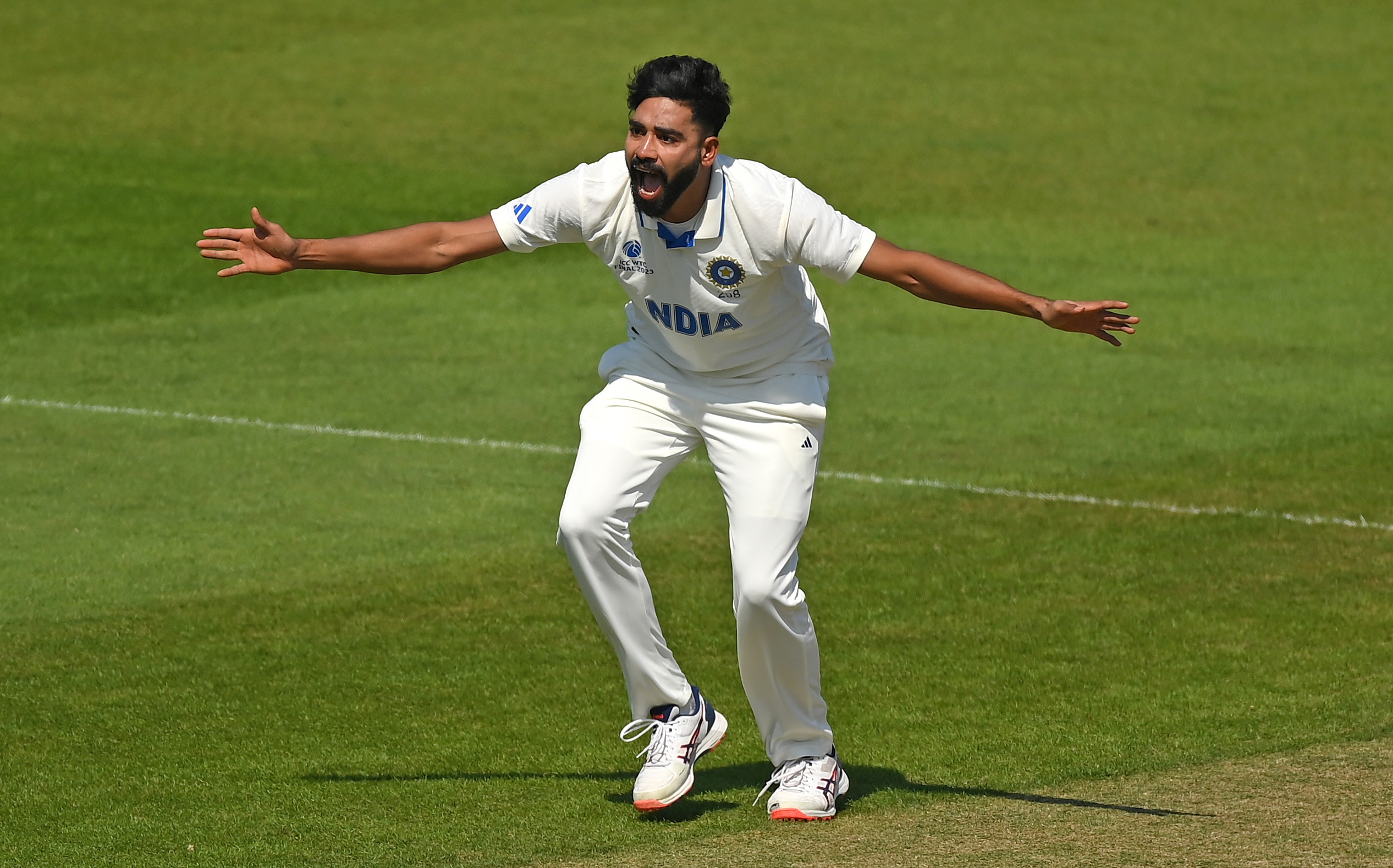 Mohammad Siraj, Cricketer
Mohammed Siraj’s rise from a humble family to become India's leading fast bowler is a powerful narrative of aspiration, discipline, and national pride transcending socio-economic limitations.
And towering above them all remains the inspirational journey of Dr A. P. J. Abdul Kalam, the scientist, the President, and perhaps the most powerful symbol of how faith, knowledge, and national service can come together. Kalam did not hide his identity; he aligned it with a larger national purpose.
These examples matter because they dismantle a dangerous myth: that structural disadvantages, if at all any, automatically translate into permanent exclusion. It does not.
ALSO READ: An officer can't afford to go wrong, says top cop Ajeetha Begum
India's economy continues to expand, driven by technology, innovation, and youthful ambition. The Viksit Bharat vision is dedicated to the youth of India, with the government placing youth empowerment at the centre of governance through structured interventions and sustained policy support. The question is not whether the growth story will continue; it is whether Muslim youth will position themselves at its margins or at its centre.
Mir Altaf is a Kashmir-based educator