Amir Suhail Wani
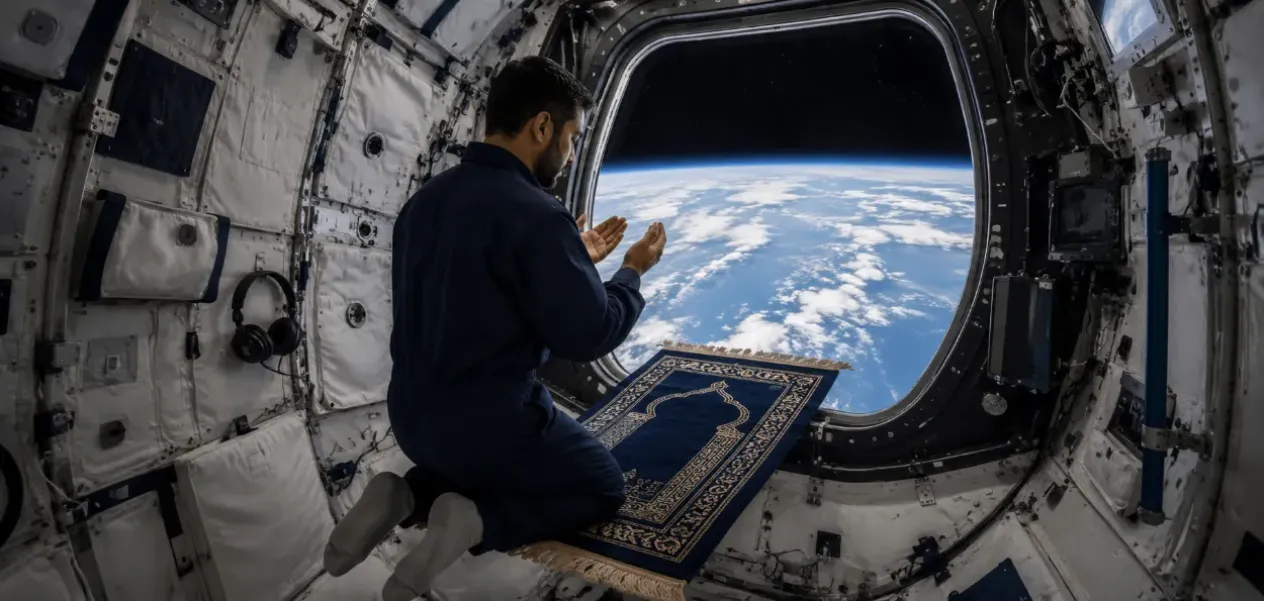
Shab‑e‑Qadr (the Night of Power or Night of Decree) occupies a uniquely exalted position in the spiritual life of Muslims. In India, with its long history of Islamic scholarship, Sufi spirituality, and vibrant community life, the observance of Shab-e-Qadr has developed into a deeply rooted religious and cultural tradition. Blending spiritual devotion with local customs and communal practices, the night is marked by prayer, reflection, charity, and a profound sense of divine proximity.
The sanctity of Shab-e-Qadr originates in the Qur’an itself. It is the night in which the first revelation of the Qur’an descended upon the Prophet ProphetMuhammad. The Qur’an dedicates an entire chapter, Surah Al‑Qadr, itssignificance:
“Indeed, We sent it down during the Night of Decree.
And what will make you know what the Night of Decree is?
The Night of Decree is better than a thousand months.”
This declaration gives Shab-e-Qadr an incomparable spiritual status: worship performed during this night carries the reward equivalent to more than 83 years of devotion. According to prophetic traditions, the night falls within the last ten nights of Ramadan, most commonly associated with the twenty-seventh night.
Historical Roots
Islam reached the Indian subcontinent through trade, scholarship, and the missionary efforts of Sufi saints. Over centuries, the religious culture of Indian Muslims incorporated both orthodox Islamic practices and the devotional ethos of Sufism.
During the medieval period, particularly under the Mughal Empire, mosques and Sufi lodges (khanqahs) became centres of Ramadan worship. Shab-e-Qadr nights were marked by large congregational prayers, recitations of the Qur’an, and gatherings of spiritual reflection. Sufi masters encouraged seekers to spend the night in remembrance of God (dhikr), supplication (du‘ā), and silent contemplation.
Major shrines associated with the Chishti Order, such as the dargah of Khwaja Moinuddin Chishti in Ajmer, developed a special culture of nocturnal devotion during the last ten nights of Ramadan, drawing pilgrims from across the region.
Devotional Practices
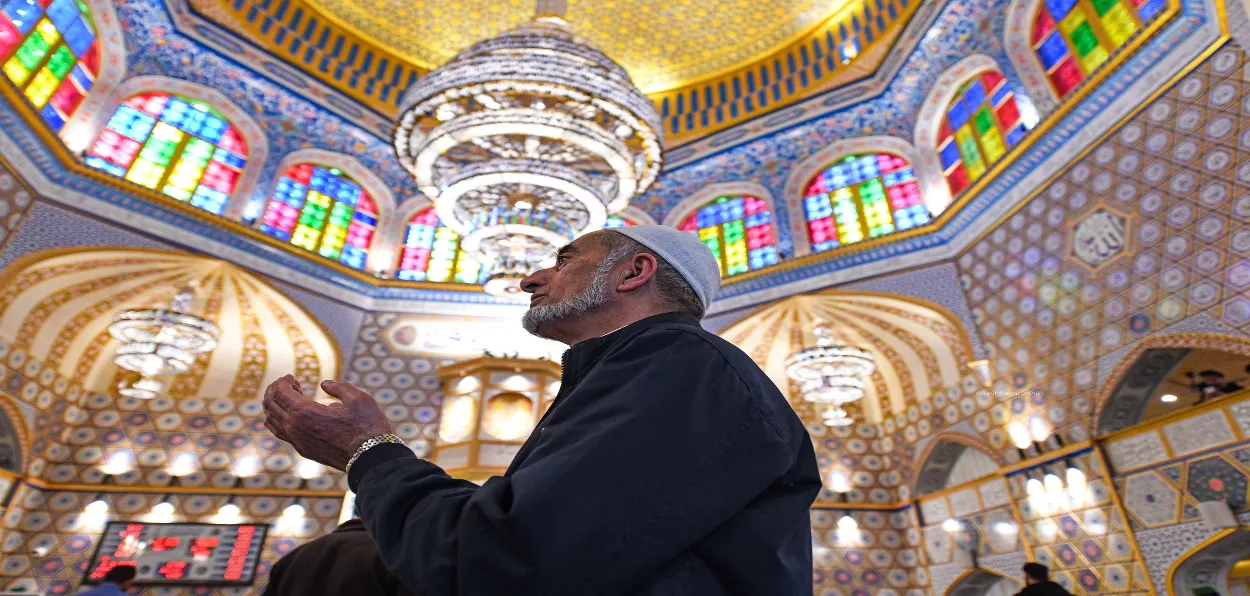
Across India, Shab-e-Qadr is observed with extraordinary spiritual intensity. Mosques remain illuminated throughout the night, and believers gather in large numbers to engage in acts of worship.
Night-long Prayers (Qiyām-ul-Layl)
1. One of the central practices is Qiyam‑ul‑Layl, the voluntary night prayer. Worshippers perform cycles of prayer, reciting extended portions of the Qur’an and seeking forgiveness. Many individuals perform ‘tikāf, a spiritual retreat in the mosque, during the final ten days of Ramadan.
2. Recitation and Completion of the Qur’an
Reciting the Qur’an is considered especially meritorious on this night. In many mosques, collective recitations and khatm-e-Qur’an ceremonies are organised. The faithful believe that divine mercy descends abundantly during this night.
#WATCH | Srinagar, J&K: Hundreds of devotees thronged the Hazratbal Dargah on the occasion of Shab-e-Qadr on Saturday evening pic.twitter.com/KO2pMPQxY1
— ANI (@ANI) April 6, 2024
3. Supplication and Forgiveness
Muslims devote muchof the night to personal prayer. A well-known supplication taught by the Prophet Muhammad is: Allah, You are Most Forgiving, and You love forgiveness, so forgive me.”
The atmosphere in mosques and homes becomes deeply reflective, as believers seek forgiveness for past sins and pray for guidance and well-being.
4. Charity and Social Solidarity
Acts of charity form another important dimension of the night. Inspired by the Qur’anic emphasis on compassion, many people distribute food, clothing, or financial assistance to the needy. Community kitchens and late-night food distribution are common in urban centres.
Regional Expressions
India’s diverse cultural landscape has shapeddistinctive regional expressions of Shab-e-Qadr. In cities like Hyderabad, Lucknow and Delhi, historic mosques become focal points for massive gatherings. The courtyard of Delhi's Jama Masjid, for instance, remains filled with worshippers through the night, with Qur’anic recitations echoing across the old city.
In Srinagar and other parts of Kashmir, Shab-e-Qadr carriesa particularly intense spiritual atmosphere. Mosques such as Hazratbal Shrine attract thousands of worshippers who spend the night in prayer, Qur’an recitation, and supplication.The night often culminates with the special dawn prayer accompanied by emotional sermons on repentance and spiritual renewal.
Sahb-e-Qadr and women
While mosques are central to the communal observance, the night also holds significance within households. Families gather for prayer and Qur’anic recitation, and elders encourage younger members to remain awake in devotion. Women often organise prayer circles at home, reciting tasbīḥ and engaging in spiritual reflection.
The domestic observance reinforces the ethical dimension of the night—encouraging patience, humility, and compassion in everyday life.
In modern India, the observance of Shab-e-Qadr continues to evolve while retaining its essential spiritual character. Digital platforms now broadcast live prayers and sermons from major mosques.
Despite social changes, the night remains one of the most powerful moments of collective spiritual experience for Indian Muslims. It renews faith, strengthens communal bonds, and reminds believers of the Qur’anic promise that divine mercy is always within reach.
ALSO READ: Islamic scholar Syed Muhammad Naquib al-Attas linked knowledge to godliness
The tradition of Shab‑e‑Qadr in India reflects the deep intertwining of Islamic devotion with the subcontinent’s rich cultural and spiritual heritage. Rooted in the Qur’anic revelation and shaped by centuries of Sufi practice and communal worship, the night stands as a symbol of humility before God and hopefor spiritual transformation.










.webp)
.webp)