Aasha Khosa/New Delhi
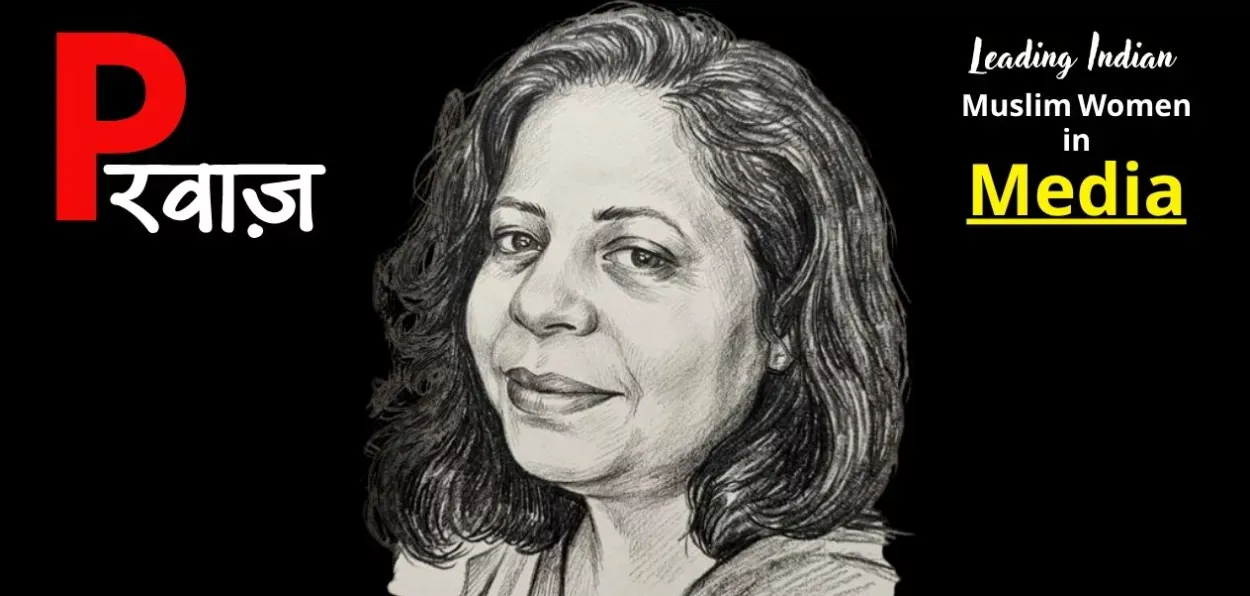
In the world of Indian journalism, Rana Siddiqui Zaman is a respected name, known for her incisive writing on cinema and the performing arts. Her columns in The Hindu earned a reputation for credible, balanced analysis, and readers continue to recall her insightful interviews with legendary artists such as A. R. Rahman.
But what led a Muslim woman born into a middle-class family in the 1970s to pursue journalism, then considered an unconventional career for women?
Speaking from Asansol, where she now lives with her husband after recently leaving Delhi, Rana reflects on a journey shaped by resilience, curiosity, and quiet defiance. Her inclination toward writing began early. “In school, I wrote poetry and took a deep interest in cultural and literary activities. That’s where the journalist in me was born,” she recalls.
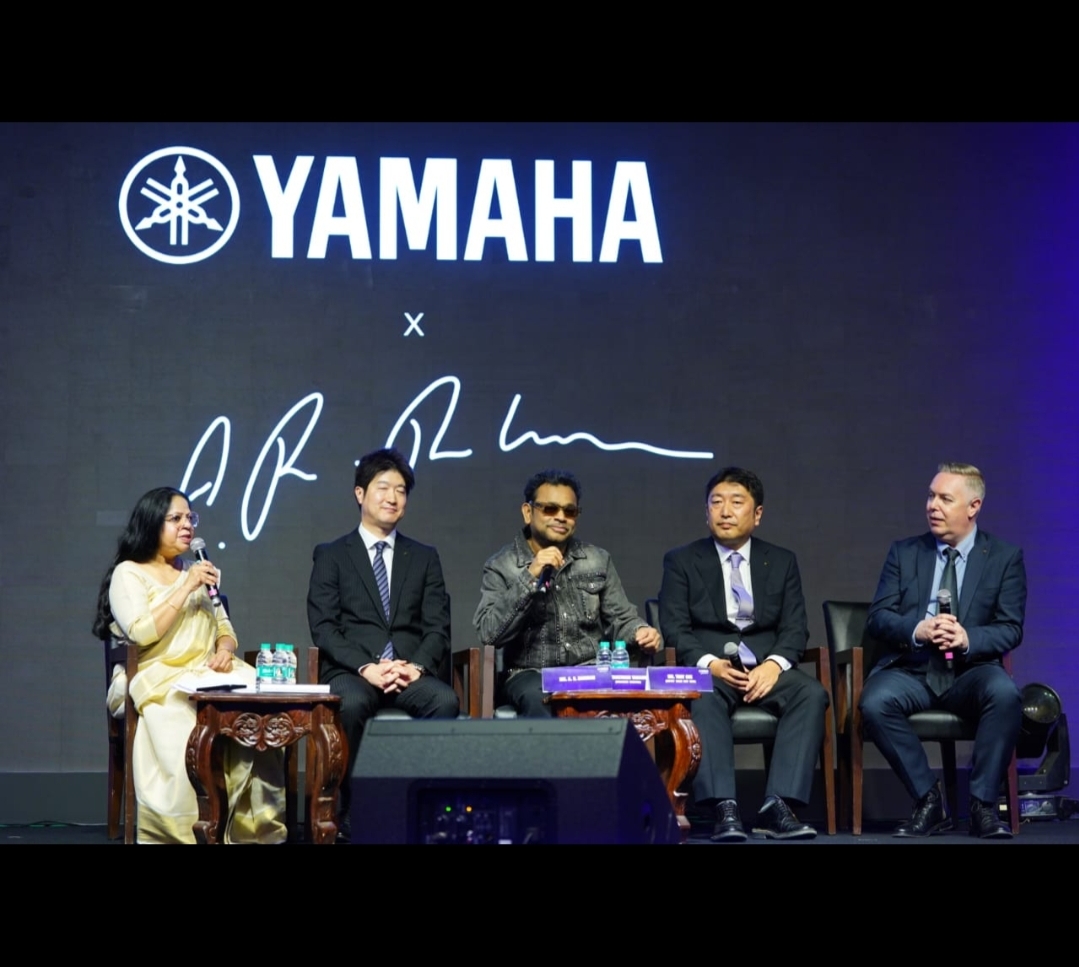 Rana Siddiqui Zaman speaking at a Corporate function
Her early education, however, was influenced by social pressures. Acting on the advice of community elders, her father moved the children out of Christian missionary schools. After the family relocated to Aligarh, Rana was admitted to Aligarh Muslim University, where she completed her education from Class IX through post-graduation. She was the second topper in her Master's examination.
Growing up, Rana often felt overlooked within the family. “My elder sister was the first child and the darling of the family, while my younger brother was considered a blessing after my parents prayed at Fatehpur Sikri. I felt ignored and was always trying to win my parents’ approval,” she says.
Driven by that need, she chose the science stream in school, hoping to become a doctor as her parents wished. But physics proved to be a struggle, and her passion for writing persisted. In a defining moment, she switched to the arts for graduation and went on to earn a master’s degree in English literature. “Leaving science was my first act of growing up as an individual,” she reflects.
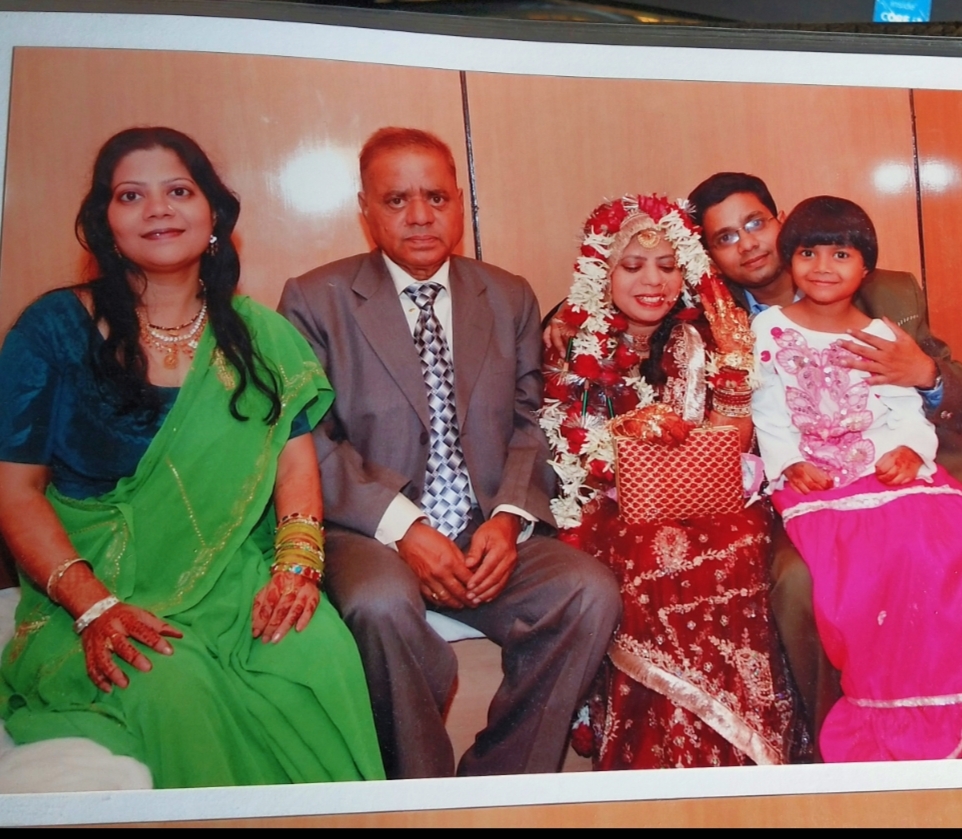 Rana Siddiqui Zaman as a bride
Her love for writing eventually drew her to journalism, despite it not being seen as a viable career for women at the time. She moved to Delhi in 1995 and secured a position with an English newspaper, where she honed her reporting skills. “My editors appreciated my work, and I learned a great deal,” she says.
Yet, her early newsroom experiences were not without discomfort. At one workplace, religious practices became an expectation. “The office would turn into a place for congregational namaz in the afternoons. As the only woman, I was expected to stay out of sight and was also pressured to offer namaz regularly,” she recalls. Rana questioned this blending of religion and professional space. “I didn’t believe in displaying faith at the workplace. I argued with my editor about it.”
Though the editor emphasised nurturing journalists rooted in religious identity, Rana chose to focus on her work rather than engage in constant confrontation.
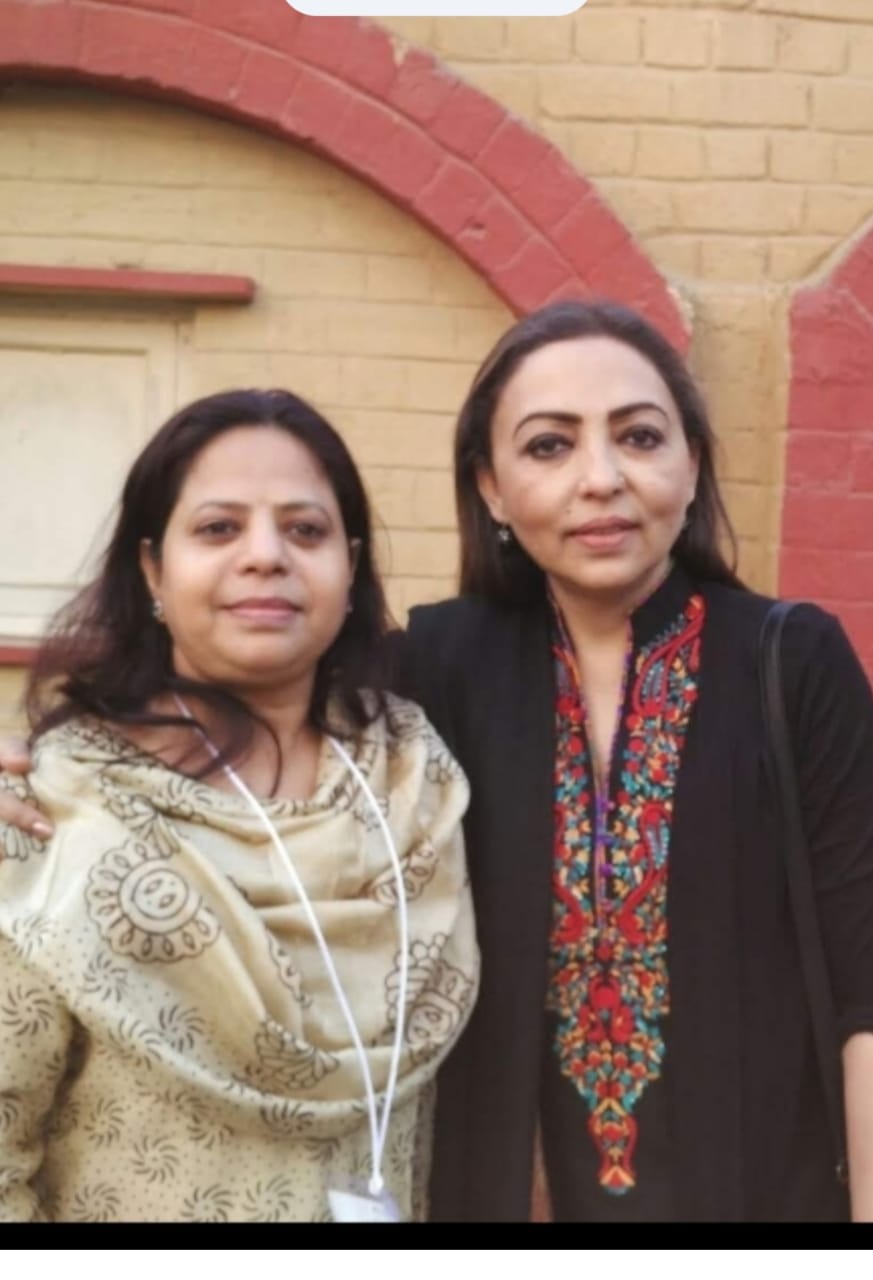 Rana Siddiqui Zaman with a Pakistani Television actor
She explored different media platforms, including a stint with Jain TV’s web portal, where she reported on socially relevant issues such as disability, aviation stress, and the lives of the visually impaired. However, she found much of the work leaning toward advertorials, leaving her professionally unfulfilled.
A turning point came when she joined The Tribune in Delhi under Editor T. Ramachandran, and later moved to The Hindu, where she finally found her niche. She began covering theatre, music, visual and performing arts, cinema, and culture—areas that would define her career.
Living alone in Delhi during those years brought its own challenges. “It was especially difficult as a Muslim woman. There were times when strangers tried to barge into my house simply because I lived alone,” she says. To avoid alarming her father, she chose not to share these experiences with him. Eventually, she moved into a working women’s hostel at Jamia Millia Islamia.
At The Hindu, Rana emerged as one of the most recognisable voices in her field. She was invited on all television screens—NDTV, DD, Sahara, AajTak, Times Now, Rajya Sabha TV—to speak on films, art and social issues.
Though growing up she felt ignored by siblings and society and not living up to her father’s expectations, she recalls how it changed: “When I started appearing on television regularly, and articles brought me immense fame, my father had tears in his eyes. He would say my daughter has brought me name. Now people know me as her father!”
 Interestingly, she says religion never became a barrier in her professional life. “Colleagues would sometimes joke, ‘We thought you’d be wearing a burqa or hijab.’ I would reply humorously, ‘I am the Musalman in The Hindu.’”
Her reflections also touch upon subtle societal discrimination. Growing up in Ghaziabad, her family struggled to find rented accommodation due to their Muslim identity. “We even had to hide our religion for safety,” she recalls, noting that such biases were more social than political.
Rana also faced societal scrutiny for remaining unmarried longer than expected. “People constantly offered unsolicited marriage advice, as if not marrying meant ruining my life,” she says. Instead, she chose independence and responsibility—moving her father and brother to Delhi after her mother’s death and purchasing a home in Noida after 25 years of work. “Caring for my father mattered more. Marriage was not on my mind.”
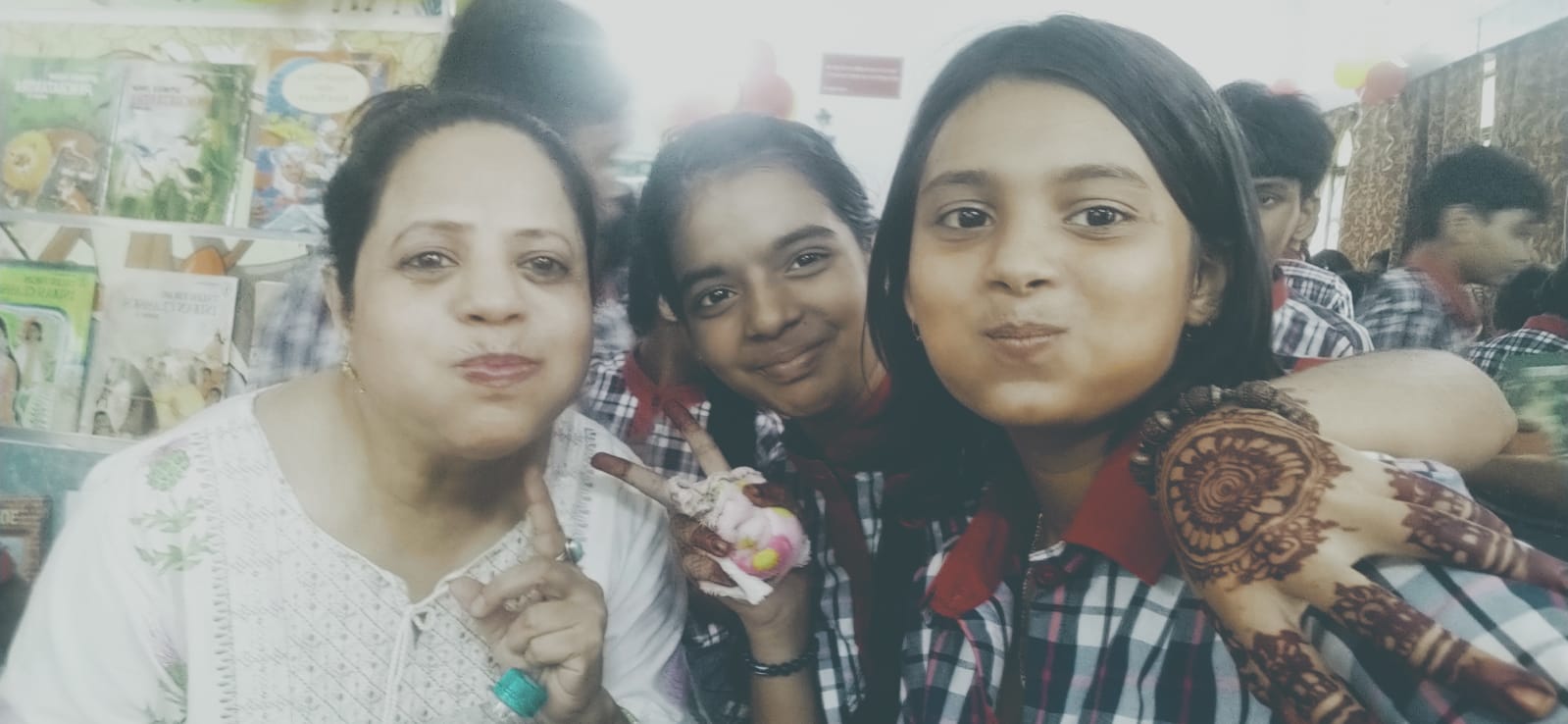
Rana Siddiqui Zaman with children at a workshop of CBT
She eventually found companionship in Yusuf uz Zaman, a PR and events consultant. However, life took a difficult turn when she lost her job during layoffs at The Hindu in 2016, followed by the economic strain of the COVID-19 pandemic. “It was a harsh reminder that journalism offers little social security,” she says.
The couple later moved to Asansol to care for their ageing parents.
Today, Rana works with the Children's Book Trust as Lead Strategist for communication and branding in eastern India. Her work involves content creation, workshops, and storytelling sessions for children. “Since we don’t have children, working with them is a deeply fulfilling experience,” she says, adding that the organisation is now rebranding and her expertise is proving valuable.
“At CBT, my work involves bringing the best content and doing branding activities. I have broken ceilings here, too. I am doing things that didn't happen in its 70 years of existence,” she told Awaz the Voice.
Looking back, Rana believes that despite her experience across major beats—politics, the CBI, Delhi Police, aviation, health, and disability—she was often confined to “soft” beats. Yet, she embraces the space she made her own.
ALSO READ: Rubika Liyaquat: Credible face of TV primetime news
With the advent of digital media, she feels blessed to start a fresh career with CBT and to do freelance projects.












.webp)