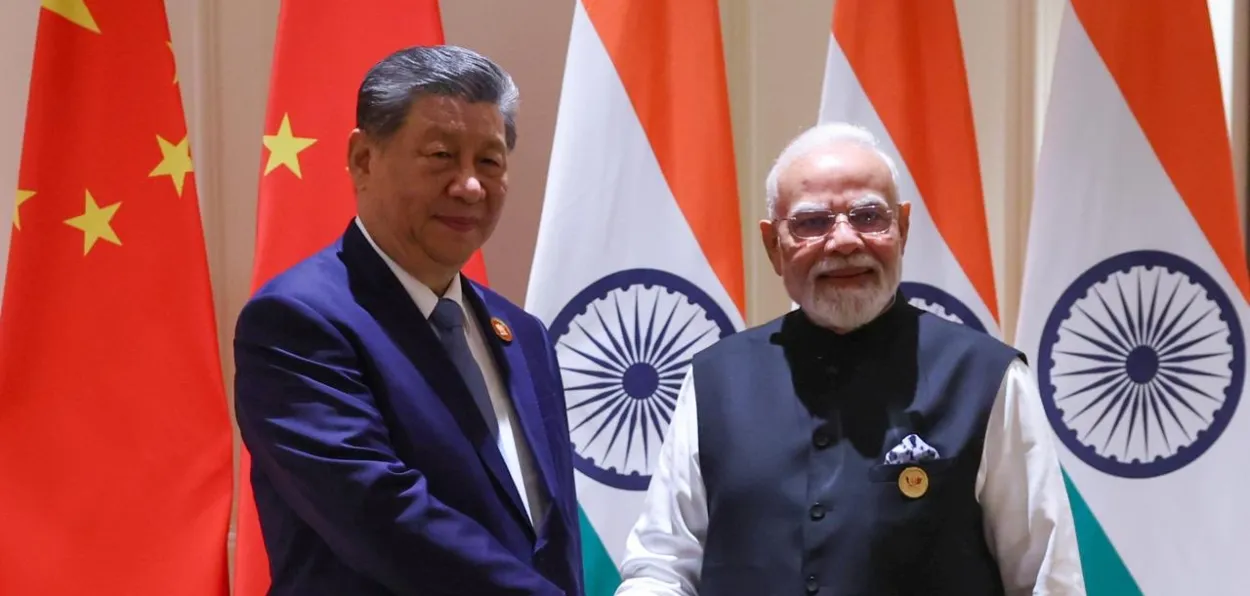
.webp "Rubika Liyaquat")
Vidushi Gaur/New Delhi
In the high-voltage world of Indian television journalism—where the pursuit of TRPs often outweighs substance and decibels frequently overshadow facts—Rubika Liyaquat has carved a distinct identity through clarity of thought and a measured, civil approach to primetime debates.
Recognised as one of the prominent faces of Hindi news broadcasting, her career reflects years of newsroom discipline, on-ground reporting, and an ability to connect with audiences across regions. Yet, beyond the studio lights and primetime headlines lies another equally significant dimension of her public persona—her consistent emphasis on social harmony and Hindu-Muslim unity in everyday life.
Born and raised in Udaipur, Rubika grew up in an environment where culture, language, and coexistence were not abstract ideals but lived realities. Her journey began with a curiosity about people, politics, and public affairs—an interest that eventually drew her to journalism, a profession that demands resilience as much as talent.
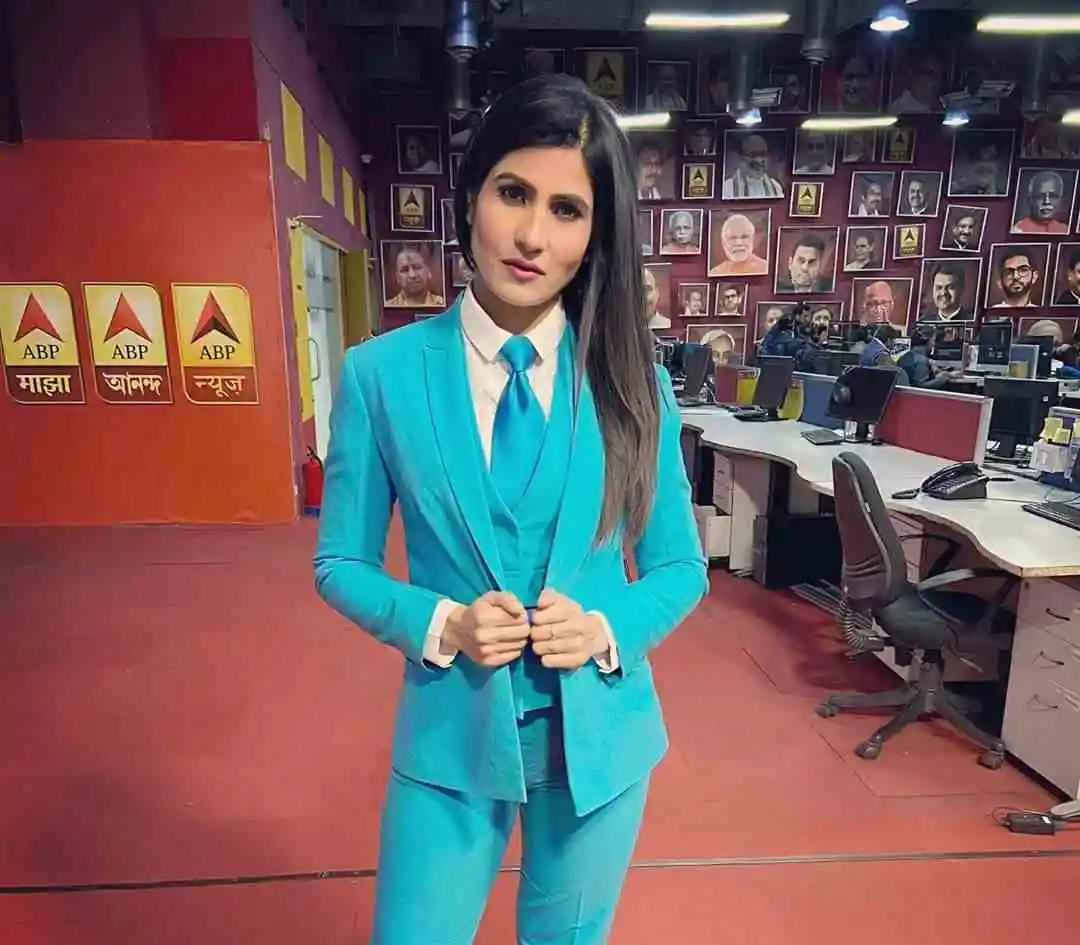 Rubika Liyaquat in the newsroom
She began her career with reporting assignments, immersing herself in fieldwork long before becoming a familiar face in households across India. Covering events, gathering stories, and engaging directly with communities gave her a grounded understanding of how news is shaped beyond studio debates.
These formative years lent her a credibility that cannot be manufactured overnight. In television journalism, anchors with field experience often bring a sharper sense of context, and her trajectory reflects that advantage.
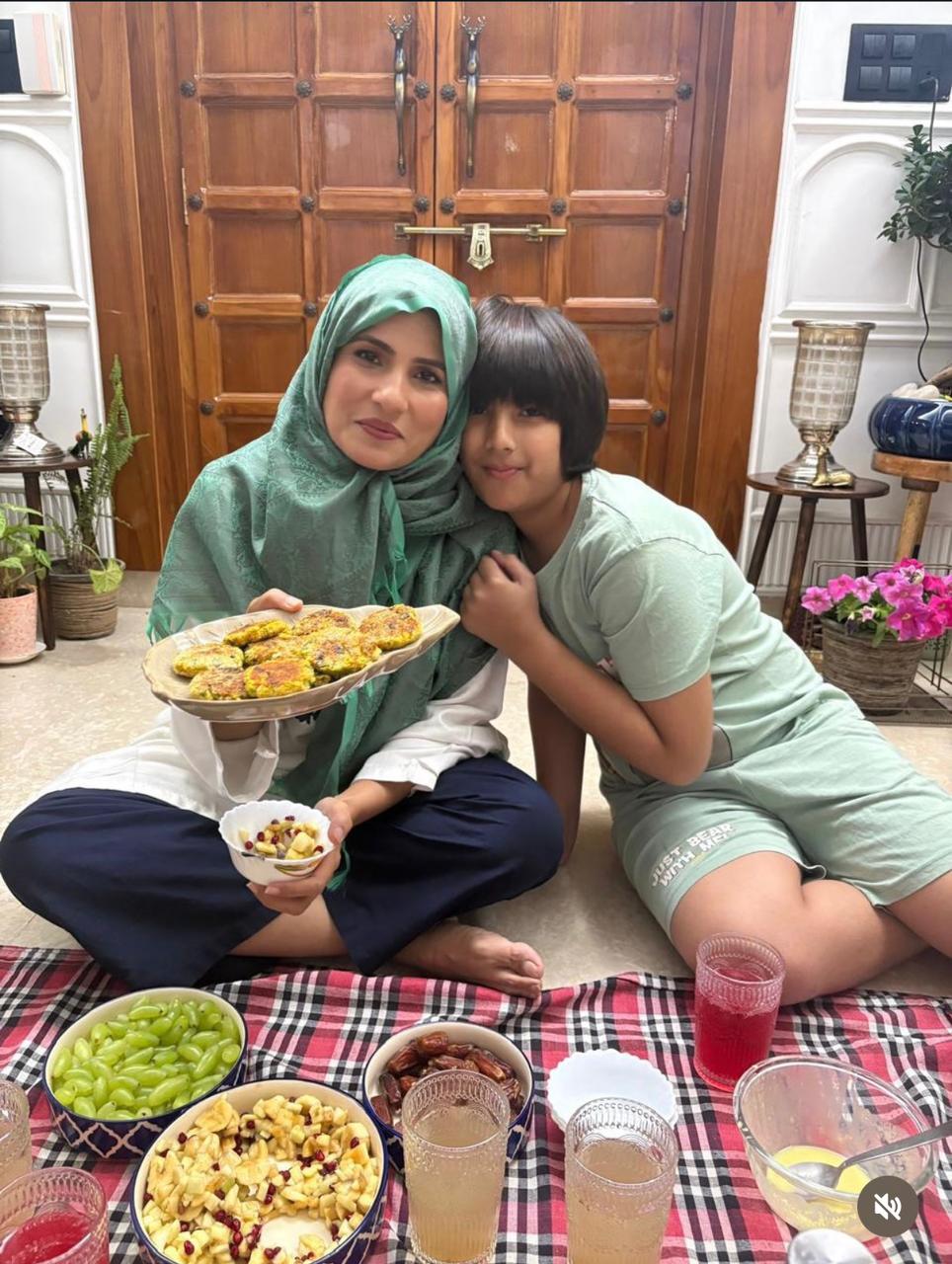 Rubika Liyaquat with her son
Over time, she worked with leading Hindi news networks, steadily rising through the ranks. Her stints with Live India, News24, and later Zee News established her as a determined journalist capable of handling political coverage, national developments, and fast-moving breaking news. Her eventual move to ABP News brought her wider recognition, where she emerged as one of the channel’s prominent primetime anchors.
Television news can be unforgiving. Each broadcast demands command over facts, composure under pressure, and the ability to navigate competing viewpoints. Rubika’s style has often been marked by confidence and direct questioning—qualities that have helped her stand out in an intensely competitive media landscape. For viewers, she is associated with assertive anchoring; for aspiring journalists, she represents the possibility of rising through merit and persistence.
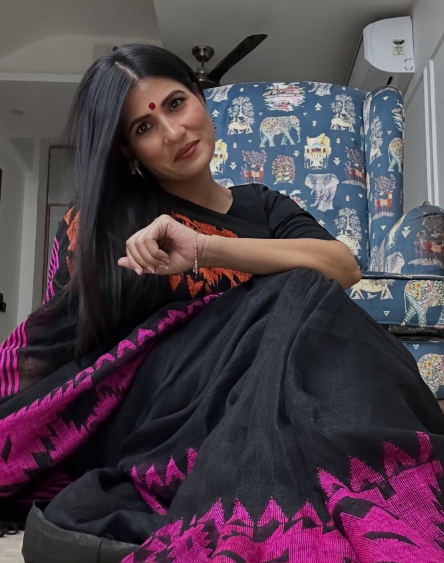 Rubika Liyaquat
However, her story is not confined to ratings or debates.
What has also drawn attention is the way she publicly reflects India’s composite social fabric. At a time when identity is often reduced to binaries, she has consistently projected a more grounded reality—that personal relationships, friendships, workplaces, and families in India frequently transcend communal boundaries. Her own life is often cited as an example of this ethos, where respect for multiple traditions is not performative but deeply practised.
Through her public engagements, messages, and personal choices, she underscores a simple but powerful idea: unity cannot survive in rhetoric alone; it must be lived—in homes, celebrations, and everyday interactions. Whether acknowledging festivals across faiths, advocating mutual respect, or rejecting divisive narratives, her outlook reflects an enduring Indian instinct—coexistence without insecurity.
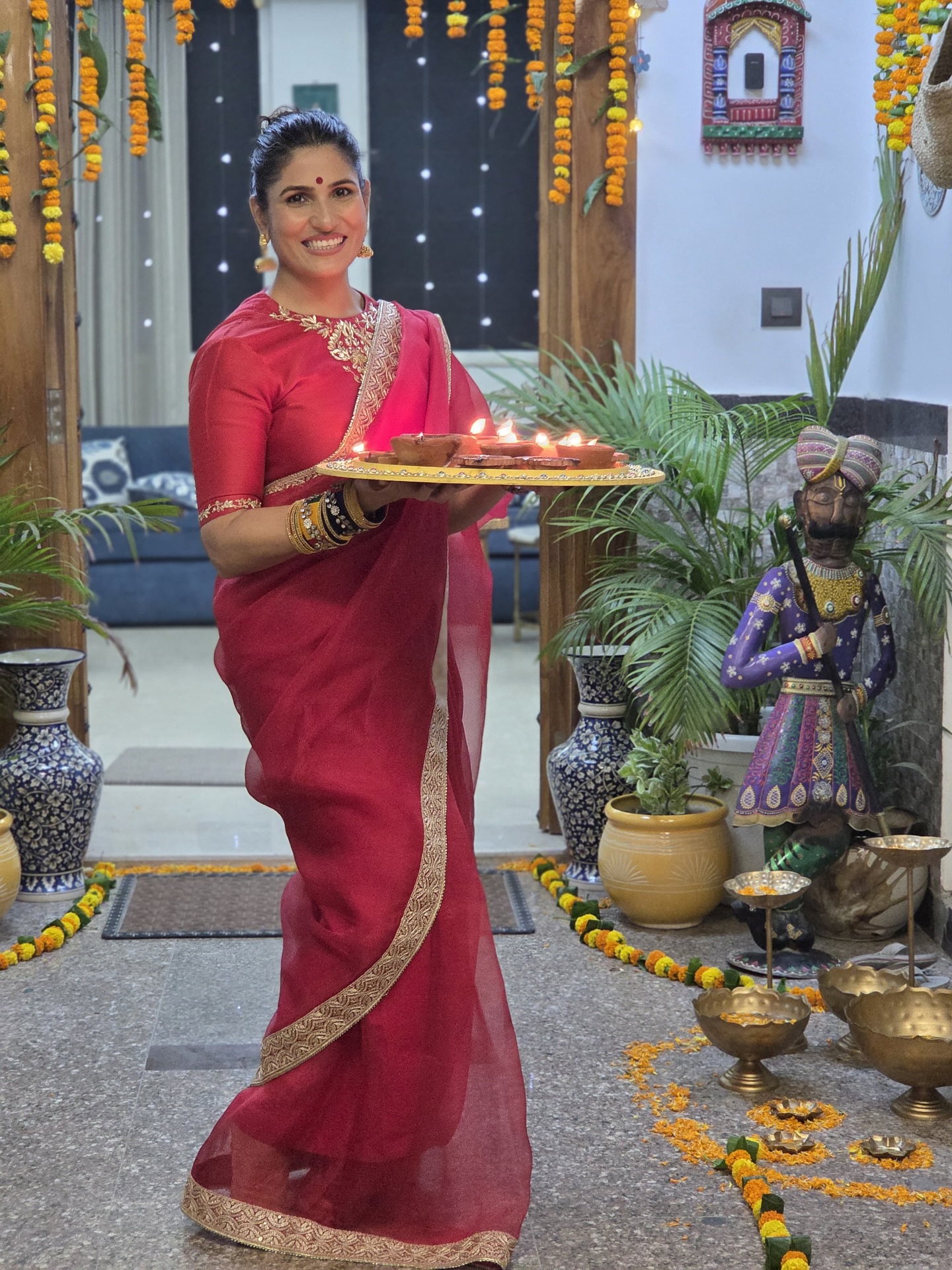 Rubika Liyaquat celebrating Diwali
This matters because media figures today do more than present the news; they also become symbols in public discourse. When someone in national media demonstrates comfort with pluralism, it sends a quiet yet powerful message—reminding audiences that identities need not compete to coexist.
India’s everyday reality offers countless examples of shared spaces: neighbourhoods celebrating each other’s festivals, colleagues attending one another’s family ceremonies, and friendships untouched by political rhetoric. Her emphasis on Hindu-Muslim harmony resonates because it mirrors these lived experiences rather than ideological slogans.
.jpeg) Rubika Liyaquat at the Iftar party in her Noida apartment lawn
Rubika Liyaquat at the Iftar party in her Noida apartment lawn
Her career also carries significance for women in journalism. Hindi television news is demanding, with relentless schedules and intense scrutiny. Women presenters often face harsher judgment on appearance, tone, and personal life than their male counterparts.
Yet her sustained presence at the top tier of broadcast journalism reflects both competence and endurance—qualities essential for long-term credibility in the field.
ALSO READ: RJ Saima's Purani Jeans revived love of golden era music among youth
As media evolves through digital platforms and shifting viewer habits, figures like Rubika Liyaquat represent a generation that has bridged traditional television authority with the immediacy of the social media era.














.webp)