New Delhi
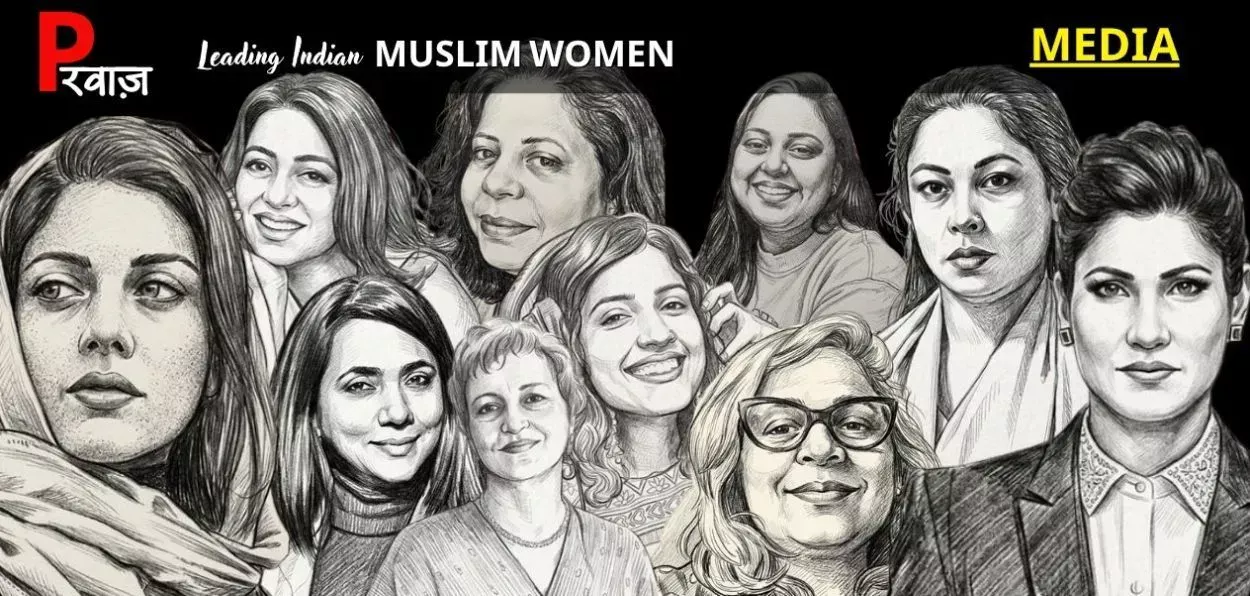
The media is considered a tough profession, and naturally, till few decades ago, very few women were part of it. However, the pioneers, especially among Muslims, whose journeys span television studios, radio booths, conflict zones, and digital platforms, helped turn the narrative on national and local issues. With a growing presence of Muslim women in newsrooms, on TV screens conducting prime-time news debates, as Radio Jockeys, and covering conflicts on the ground, they have empowered the community and made media space more inclusive.
Under its series Parvaz, Awaz-the Voice brings you the stories of ten women from the Indian media who have left a mark in the field. They represent a generation of women who refused to remain confined by convention and instead built identities rooted in excellence and purpose. Here are the top Muslim women media persons:
Yana Mir has emerged as one of the strongest voices from Kashmir, challenging Pakistan-backed propaganda through journalism, entrepreneurship and advocacy. Educated in Mumbai and rooted in Kashmir, she returned to the Valley in 2020 to report stories often ignored, including the families of policemen killed by terrorists and the silence created by fear.
As CEO of the Real Kashmir Group, she has continued to document change despite threats and pressure.

Seema Mustafa stands among India’s most fearless journalists, with a career spanning nearly five decades. Beginning at The Pioneer at just nineteen, she went on to work with leading publications such as The Indian Express, The Telegraph and The Asian Age.
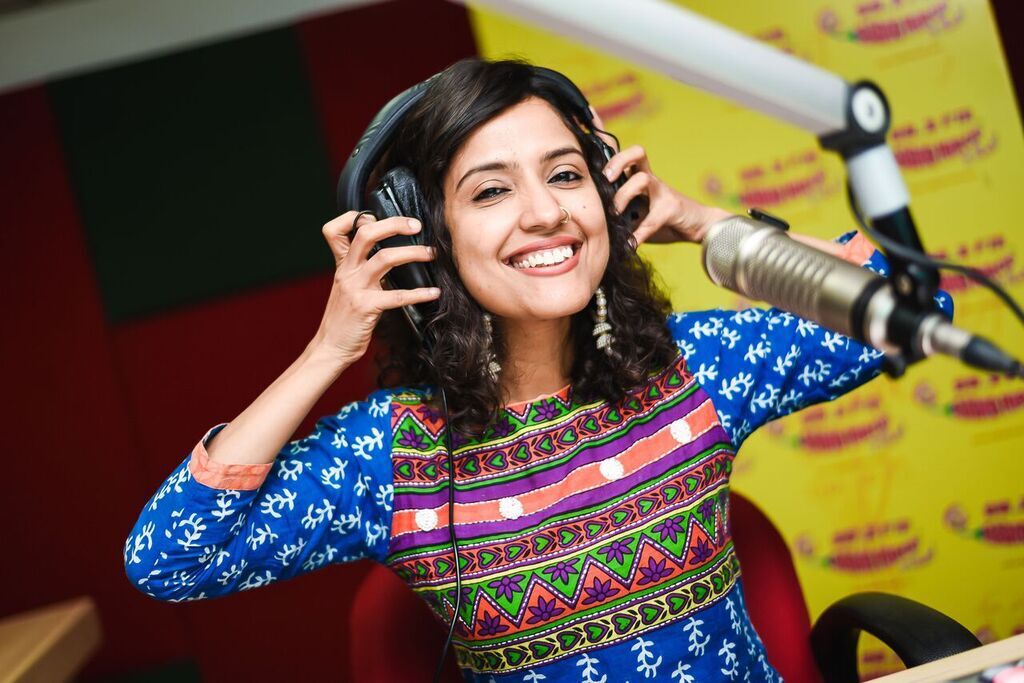
Saima Rahman, fondly known as RJ Saima, is one of India’s most loved radio voices.
Through Urdu Ki Paathshala, she has also brought audiences closer to the beauty of the Urdu language and literature. Her voice continues to blend memory, music and social awareness.

Rubika Liyaquat has built a strong identity in Indian television journalism through discipline, sharp reporting and composed primetime anchoring. Beginning with field reporting, she worked with networks such as Live India, News24, Zee News and ABP News, steadily rising to national prominence.
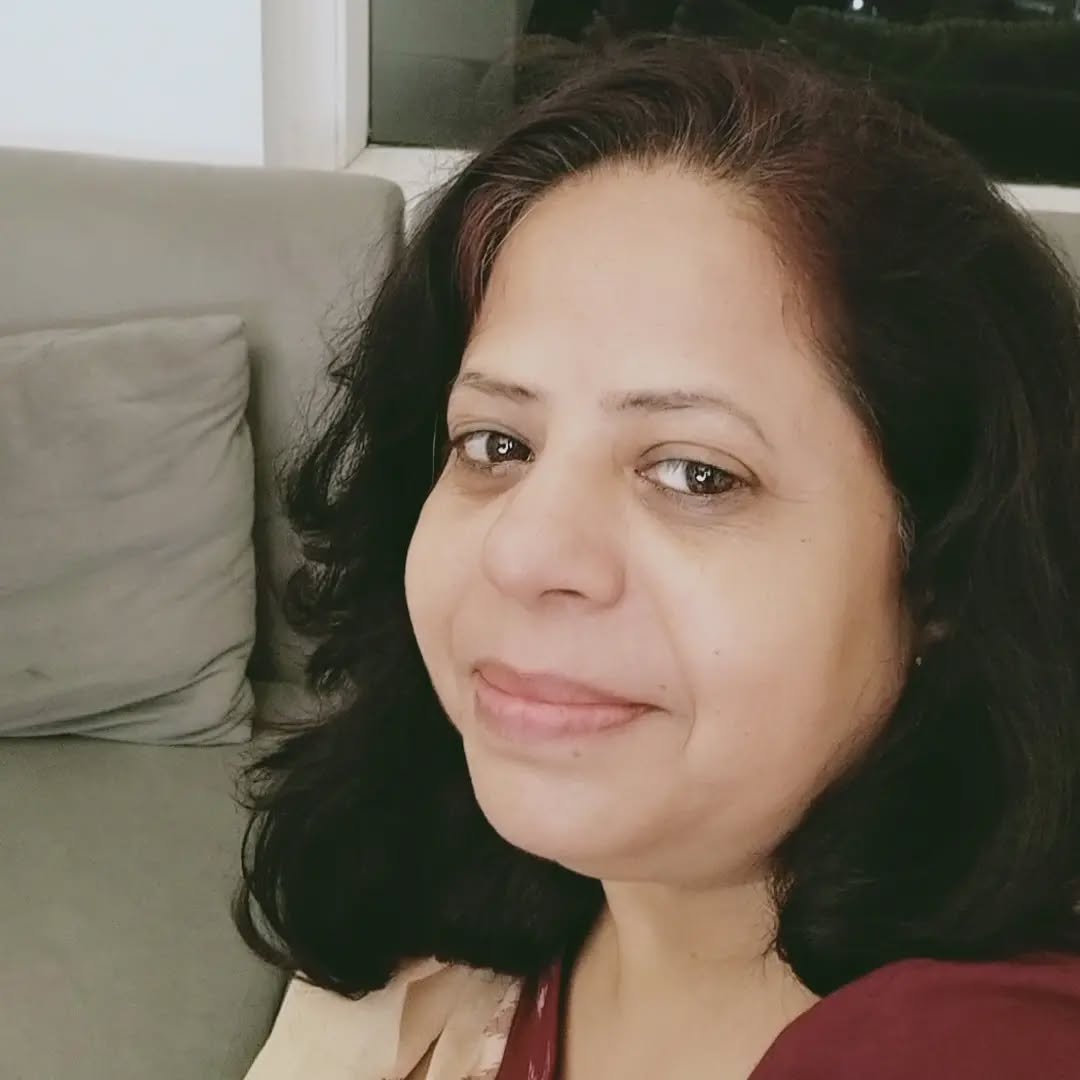
Rana Siddiqui Zaman broke barriers to become a respected voice in journalism, particularly in cinema, culture and the performing arts. Educated at Aligarh Muslim University, she chose journalism when it was still considered unconventional for women.
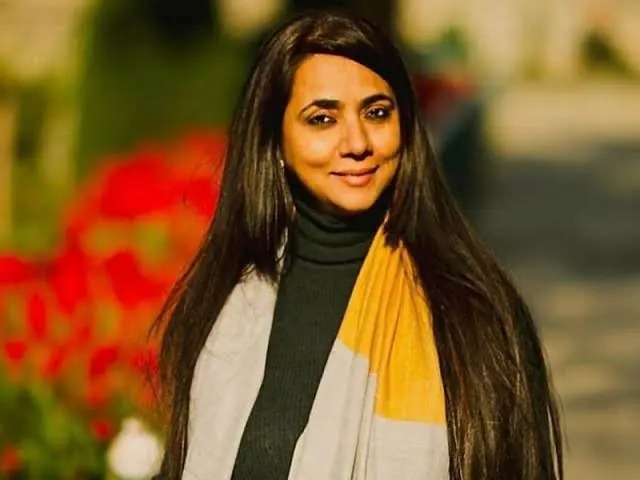
Nagma Sahar is widely regarded as one of the most balanced and socially committed voices in television journalism. Born in Patna and educated in Delhi, including studies at JNU, she brought academic depth to her reporting. At NDTV India, she covered major events from the tsunami in Tamil Nadu to elections in Kashmir.

Heena Kausar Khan has become an important journalistic and literary voice by bringing the inner realities of the Muslim community into mainstream Marathi discourse. Raised in Pune, she started her career with Lokmat before turning to feature writing.

Atika Farooqui has enjoyed a distinguished media career spanning more than two decades. Known as a thoughtful host and interviewer, she built her reputation through consistency rather than instant fame.

Dr Firdous Khan, celebrated as “The Princess of the Isle of Words,” is a scholar, poet, journalist and translator whose work bridges spirituality, literature and media. Associated with the Sufi tradition, she has authored books such as Fahm al-Qur’an and Pioneers of Ganga–Jamuni Culture.
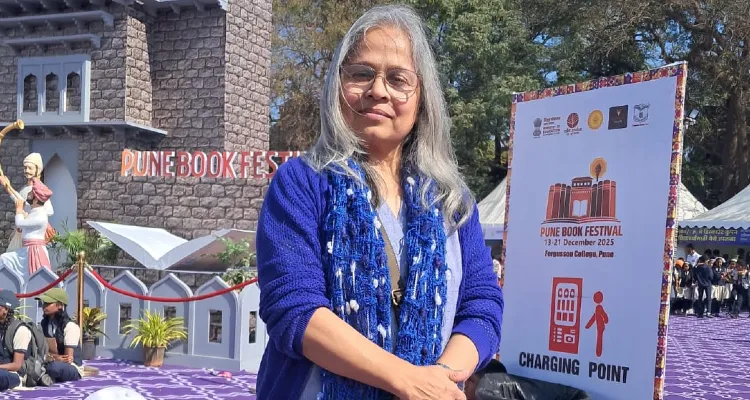
Shah Taj Khan, professionally known as Sheh Taz Begum Khan, is a distinguished Urdu author, journalist, and educator whose career spans more than twenty-five years across print media, broadcasting, literature, and academia.
ALSO READ: Religions have inbuilt system of tolerance and inclusivity: A Book Review
She has also made a notable contribution to children’s literature through science-based Urdu books such as Seen se Science and Picnic, praised for making scientific ideas engaging for young readers and supported by the National Council for Promotion of Urdu Language.









.webp "Professor Salma Begum")
.webp "ACP Najma Farooqi")


.webp)