Munni Begum/Guwahati
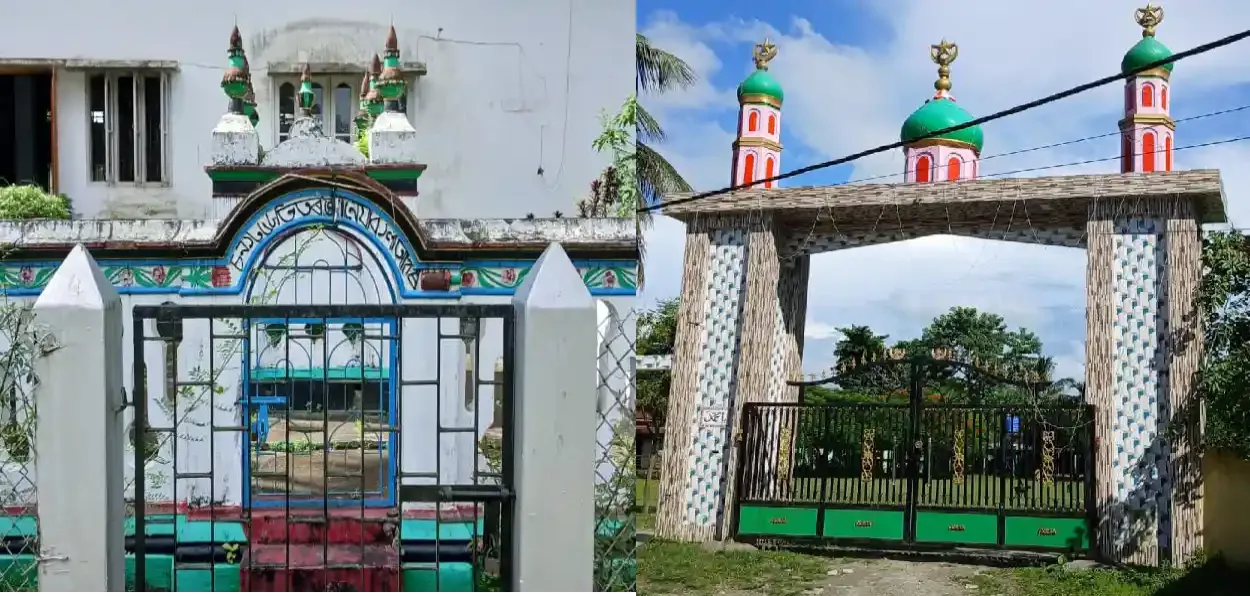
The dargah of Hazrat Pir Shahnoor Shah Dewan at Khankarpara in Vella, Assam's Barpeta district, attracts childless couples from across the country who come seeking blessings. More than six centuries old, the shrine is steeped in folklore, faith, and a long tradition of communal harmony.
"According to a belief, Hazrat Pir Shahnoor Shah Dewan came to Assam from Baghdad, Iran, about 600 years ago along with his four brothers," says Alias Ahmed, former secretary of the Khankarpara Dargah-Mosque Management Committee.
According to Ahmed, Pir Shahnoor Shah Dewan first stayed at Dargahpur before settling in the then-deserted Khankarpara, where only a date tree and a stone existed. He devoted his life to worship, spiritual practice, and service to humanity in the secluded surroundings.
Local folklore attributes many miracles to the saint. One of the most enduring legends recounts his meeting with Ahom king Shiva Singha during a hunting expedition. Pir Sahib is believed to have told the king that he knew he was childless. Astonished, the king invited the saint to his palace in Sivasagar and sent an elephant to escort him. However, Pir Sahib declined the ride and is said to have reached the palace on foot well before the elephant and its entourage.
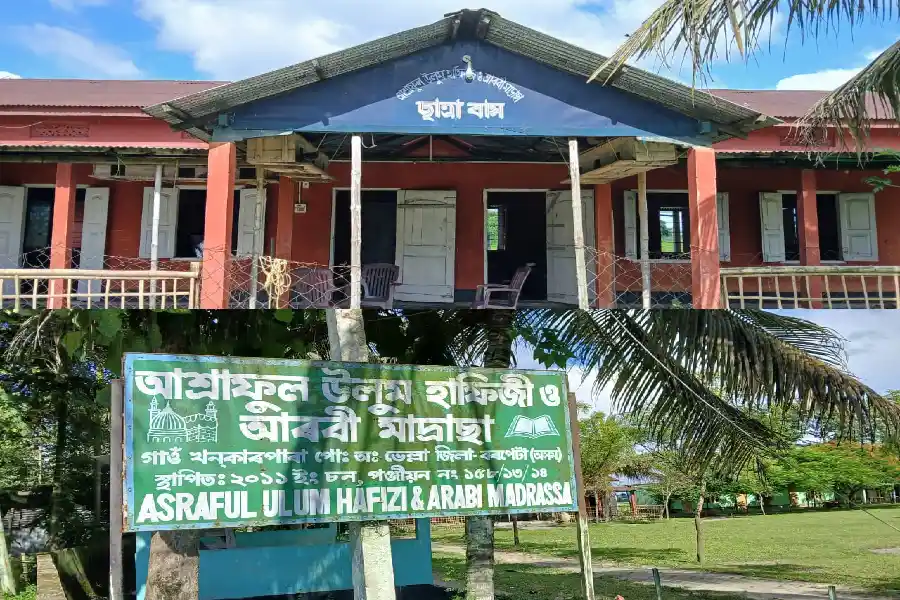 The hostel and nameplate of Ashraful Uloom Hafizi and Arabic Madrassa on the premises of Hazrat Pir Shahnoor Shah Dewan Dargah
The saint assured the king that he would soon be blessed with a child. According to the legend, he prayed over a banana and asked the queen to eat it. Within a few months, she conceived. Grateful, the king gifted about 500 bighas of land to Pir Sahib through a copperplate grant.
"According to another popular belief, one day Pir Sahib disappeared while sitting on a rock, leaving only his clothes there. Later, a dargah was established in his name. He invited people to pray at the dargah. He offered consecrated water to the sick."
It is also believed that many families subsequently moved from Dargahpur and settled in Khankarpara.
The copperplate grant has its own share of legends. According to local belief, it was once stolen. As the thieves attempted to cross the Brahmaputra, their boat capsized, they drowned, and the copperplate disappeared into the river.
Another popular tale says that when the ownership of the land was challenged in court, a white elephant appeared near the courtroom window during the proceedings. The court is believed to have upheld Pir Sahib's charitable rights, an event devotees regard as a divine sign. Though these stories belong to oral tradition, they remain deeply embedded in the region's cultural memory.
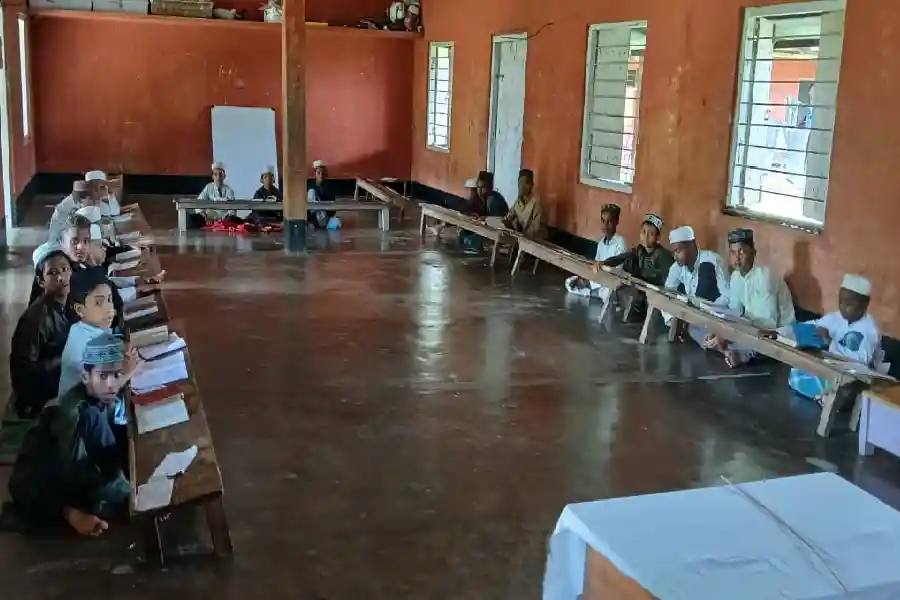 Students at Ashraful Uloom Hafizi and Arabic Madrassa on the premises of Hazrat Pir Shahnoor Shah Dewan Dargah at Khankarpara
 "Currently, Pir Shah's Dargah, Jame Masjid, Ashraful Uloom Hafizi and Arabic Madrassa and Muslim cemetery are located in five bighas of the land gifted by the King. The Khankarpara Dargah-Mosque Management Committee manages the shrine and expenditure on roads, compound maintenance and other community development works.
Thousands of devotees from different parts of Assam gathered at the Pir Shah's Dargah on the occasion of Muharram and Uru. Not only the Muslim community, but also many Hindu devotees offer goats, ducks, chickens, sugar, sweets, money or gold and silver items here to fulfil their wishes. He said the dargah has been a living example of communal harmony and mutual trust for many years."
No donations are solicited from outside organisations during the annual Urs. Instead, villagers prepare sweets, cinnamon-flavoured delicacies, and other food items in their homes and bring them to the shrine, where they are distributed equally among all devotees and visitors, regardless of wealth or background.
The Ashraful Uloom Hafizi and Arabic Madrassa, located within the dargah complex, provides free education and accommodation to children from underprivileged families. Income generated from the committee's landholdings is used for the upkeep of the dargah, mosque, madrassa, and various community welfare activities.
"The dargah has a long tradition of not only religious ceremonies but also social cooperation. In the past, villagers, Hindus and Muslims, have stood by each other during storms, floods or other disasters.
ALSO READ: Firdous Khan's Surgenix Healthcare guides patients
Currently, about 2,000 Muslim families live in Khankarpara and its surroundings. They have maintained cordial relations with the neighbouring Hindu villages for many decades. The dargah premises of Pir Sahib remain open to people of all faiths. Anyone can visit here and offer darshan, dua or prayers while maintaining cleanliness and order," Ahmed said.

_(1)_(1).webp "Jagannath Rath Yatra")