

Dayanand Vashishtha/New Delhi
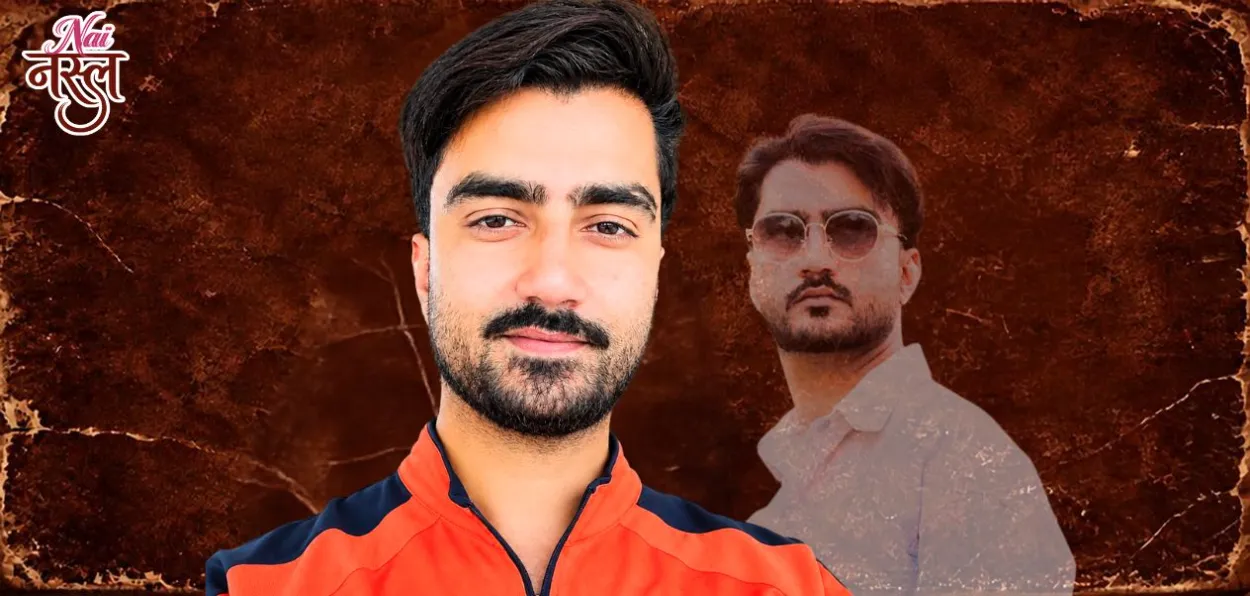
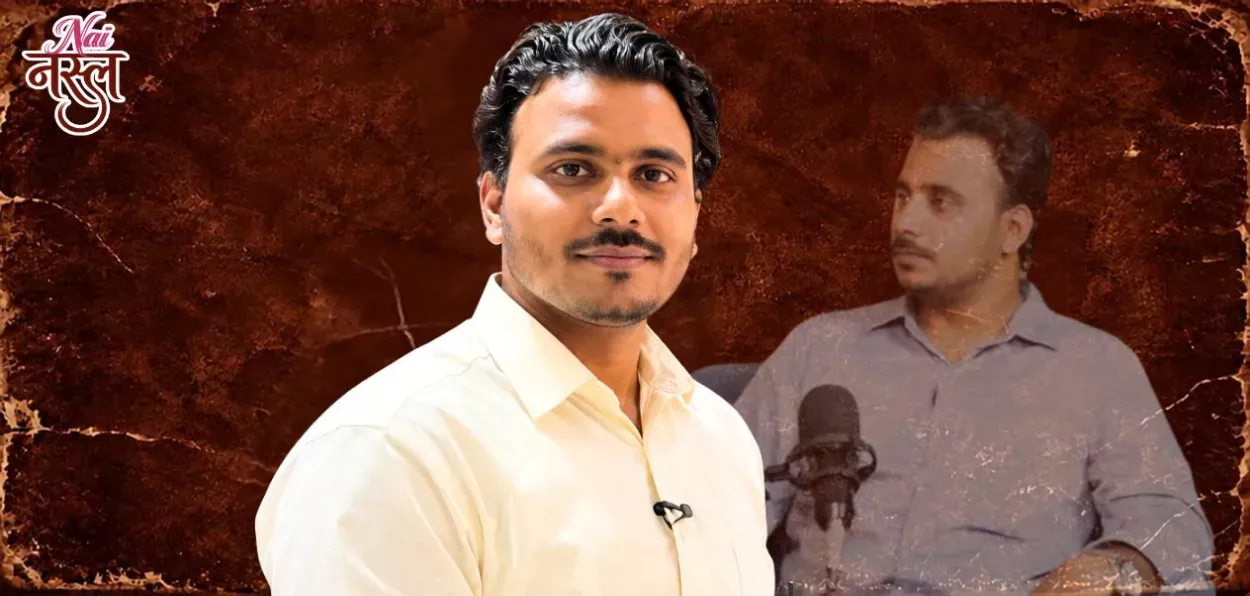
The small town of Bagh in Madhya Pradesh’s Dhar district is known for its traditional block-printing, a centuries-old art of creating designs on fabric using intricately carved wooden blocks. Mohammad Bilal Khatri has played an important role in taking this art to a new generation and bringing it recognition on the international stage.
The 33-year-old craftsman has connected his ancestral craft with business, employment and cultural identity to set an example.
The reach of his Bagh print creations now extends from different parts of India to London, the United States, Australia and Italy. Preparations to showcase this traditional Indian handicraft in Vietnam are the latest milestone in his journey.
Bilal Khatri’s story is not simply that of a young artist’s success. It is also about a traditional skill that artisans have preserved for generations through their hands, experience and hard work. At a time when machine-made fabrics dominate the market, hand-printing artisans continue to work hard to maintain their distinct identity.
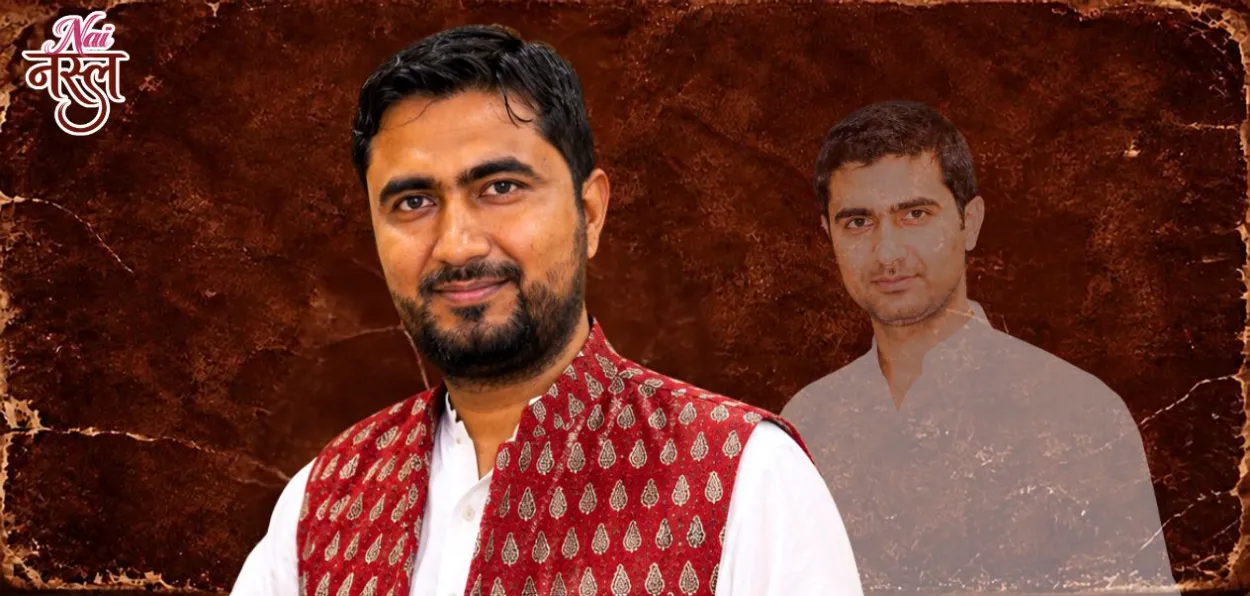
 Mohammad Bilal Khatri
Bagh, located in Madhya Pradesh’s Dhar district, is closely associated with its distinctive block-printing tradition. Developed through local practices and the experience of generations of artisans, the craft involves using carved wooden blocks to print flowers, leaves, geometric shapes and traditional patterns on fabric. The use of natural colours and traditional processes gives the craft its distinctive character.
Several stories about the history of Bagh print have been passed down among local artisans. According to one account, artisans from the region once prepared jajams for Maharana Pratap. Ismail Suleman Khatri made an important contribution to carrying this tradition forward. Later, his son, Mohammad Yusuf Khatri, also worked to promote and expand the craft. An initiative launched in 1995 to train members of tribal communities helped extend its social reach.
Mohammad Bilal Khatri represents the next generation of this legacy. His father, Mohammad Yusuf Khatri, is a respected craftsman who has also received national recognition for his work. Bilal has not merely inherited the family skill; he has experimented with it and tried to adapt traditional designs to contemporary needs.
Wooden blocks and designs
The defining feature of Bagh print is that the fabric is printed entirely by hand. Instead of using machines to produce identical patterns, artisans carefully press different carved wooden blocks onto the fabric. The clarity of the design, balance of colours and precision of the patterns depend on the artisan’s experience. Even a small mistake can affect the entire design.
 Mohammad Bilal Khatri in his workshop
The process involves several stages, from preparing the fabric to completing the final print. According to Bilal Khatri, making a Bagh print saree or dupatta can take around 20 days. The fabric is boiled and washed repeatedly to make it soft. The traditional process also involves cleaning it by trampling it underfoot. Once the fabric is ready, designs are printed using natural colours and carved wooden blocks.
More intricate pieces can take even longer to complete. This is why the value of Bagh print goes beyond the fabric and colours. It also reflects the artisan’s time, technical skill and experience acquired over generations.
Traditional craft, contemporary designs
Bilal Khatri has combined traditional techniques with contemporary designs to introduce Bagh print to new markets. Along with sarees and dupattas, his collections have included silk stoles, scarves, table mats and home décor products. Through these items, he has sought to reach customers interested in Indian handicrafts and handmade products.
Some of his designs draw inspiration from historical monuments, ancient motifs and regional craft traditions. Patterns such as jaal and lahariya, along with other traditional designs, strengthen the visual identity of Bagh print. Experiments with block printing on fabrics such as silk have also opened up new possibilities for the craft.
His efforts show that simply repeating old designs is not enough to keep traditional handicrafts alive. Artisans must also understand changing market preferences, develop new products and preserve the identity of the original technique.
Taking Bagh print worldwide
Bilal Khatri has received several opportunities to showcase his work internationally. Bagh print products were displayed at Artigiano in Fiera, an international handicrafts fair held in Milan, Italy. Such events bring together artisans from different countries, allowing them to present their traditional products and techniques to a global audience. For Indian handicrafts, these platforms provide opportunities to connect with new customers and markets.
 Mohammad Bilal Khatri working with his prints
Bagh print products were also showcased at the International Folk Art Market in Santa Fe, New Mexico, in the United States. Silk scarves, stoles and other handmade products were presented to visitors. His participation in these international events demonstrated that traditional Indian printing techniques can find a place in contemporary markets as well.
Bilal has represented Indian handicrafts in several countries, including Bahrain, Russia, China and Iran. At an international art event in China, he also introduced visitors to the finer details of Bagh print. These experiences helped him understand the preferences of customers in different countries and explore new ways of presenting Indian crafts.
Preparations to showcase Bagh print in Vietnam mark another step in this journey. According to the information available, an application for participation was approved through a Delhi-based organisation associated with crafts. The initiative is expected to introduce Madhya Pradesh’s traditional printing art to a new international audience.
Awards and recognition encourage the artisan
Bilal Khatri has received national and international recognition for his contribution to Bagh print. His work has earned him a place in the handicrafts sector. His father, Mohammad Yusuf Khatri, has also received national awards for his contribution to the craft. Their achievements reflect the role played by several generations of the family in building the reputation of Bagh print.
One notable aspect of Bilal’s work has been experimenting with traditional block printing on silk stoles. Such products require particular attention to the combination of colours, motifs and wooden blocks. Adapting traditional designs to new fabrics has expanded the possibilities of Bagh print. However, the craft continues to derive its identity from its handmade printing process and traditional techniques.
 Mohammad Bilal Khatri at an exhibition
Bagh print is also an important part of the local economy. According to available information, around 1,000 people are associated with the industry. The town has approximately 25 workshops and production units, both large and small. These involve not only printing artisans but also people engaged in fabric preparation, dyeing, washing and the production of finished goods.
Traditional industries like this create employment opportunities in rural areas and small towns. Sustained demand for their products can provide local artisans with regular work. However, declining demand, rising raw material costs and competition from cheaper machine-made products can put pressure on the industry.
Bilal Khatri’s business has also expanded over the years. Available details indicate that his annual income grew from approximately Rs 70 lakh to Rs 3 crore. While this figure reflects the reported growth of his business, independent verification of the figures is not available. Another important aspect of his work has been his efforts to support local artisans during difficult times.
During the Covid-19 pandemic, he arranged cash and credit facilities through a bank to help artisans in need. He provided them with raw materials, dyes and fabric so that they could continue working. According to him, around 30,000 metres of Bagh print fabric were produced during that period. The initiative provided work to several people and helped the business recover when markets reopened.
 Mohammad Bilal Khatri working in his workshop
Despite gaining international recognition, Bagh print faces several challenges. Traditional hand-printing is time-consuming, and training skilled artisans requires years of practice. Bringing younger generations into the profession is therefore not easy. Without proper training, markets and income opportunities, young people may choose other forms of employment.
Bilal Khatri believes that training tribal youth and members of local communities in traditional crafts is essential. This can create employment while helping preserve cultural heritage. Sustaining Bagh print will require greater attention to training centres, design support, fair pricing and direct access to markets.
READ MORE: Muslims must remember that cleanliness is half faith
The story of Bagh print from Madhya Pradesh demonstrates that local traditions have the potential to reach global markets. Achieving this requires artisans to explore new opportunities while remaining connected to their roots. Mohammad Bilal Khatri is following this path, hoping that the designs created with wooden blocks in Bagh will leave their mark not only on fabric but also on the global identity of Indian handicrafts.