Vidushi Gaur/New Delhi
According to the Central Pollution Control Board's (CPCB) 2025 assessment, the number of polluted river stretches in India has declined from 351 in 2018 to 296 in 2025. The assessment identified improvements in 71 polluted stretches, while 149 stretches were removed from the polluted category. These findings suggest that pollution-control interventions are making a difference in several parts of the country.
The Ganga, one of India's most important rivers, has been at the centre of the country's river-cleaning efforts through the Namami Gange Programme, launched in 2014.
Recent government assessments have recorded improvements in several stretches. According to the CPCB's comparison of 2018 and 2025 data, the Haridwar-to-Sultanpur stretch in Uttarakhand, earlier identified as polluted, no longer figures among the polluted river stretches.
West Bengal has also recorded improvement. The polluted stretch previously identified between Triveni and Diamond Harbour has been reduced to a smaller stretch between Baharampore and Diamond Harbour, with its pollution priority category improving from III to V.
In Uttar Pradesh, the situation has improved partially, although pollution continues in certain areas. The programme has involved the construction and operation of sewage treatment plants to prevent untreated wastewater from entering the river.
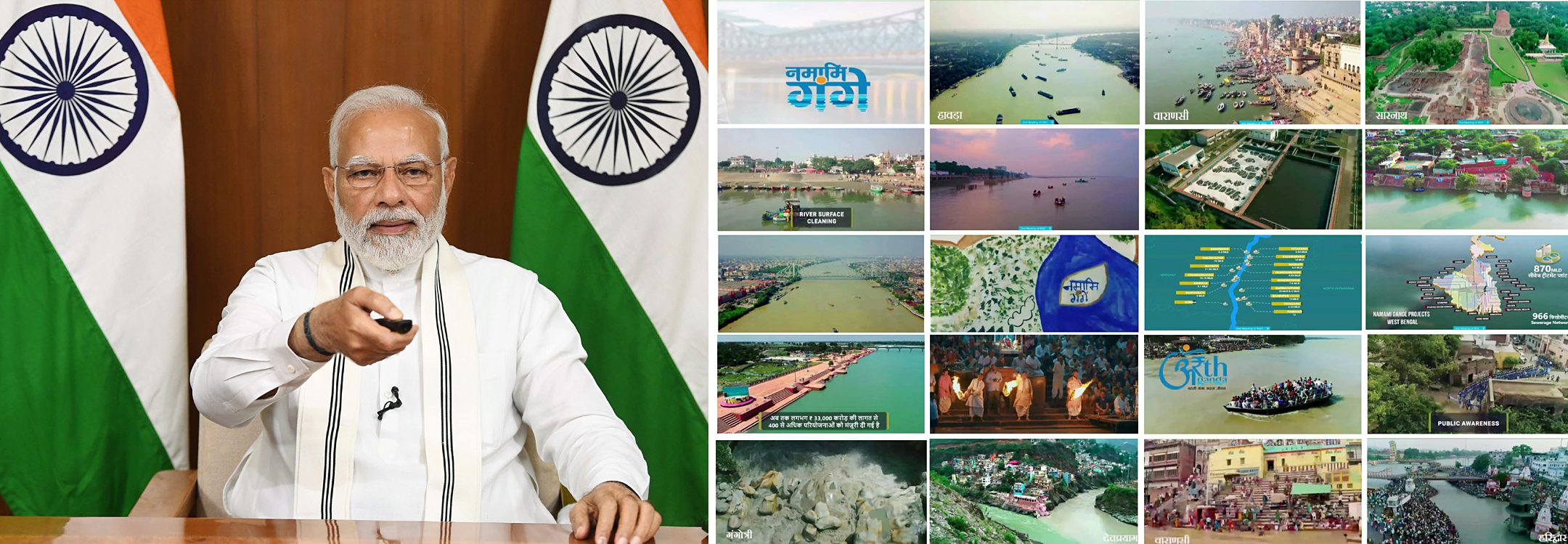 PM Narendra Modi dedicates multiple sewerage infrastructure projects to the nation under National Mission for Clean Ganga via video conferencing
As of February 2026, 355 of the 524 projects sanctioned under Namami Gange had been completed, according to the Ministry of Jal Shakti.
In Maharashtra, the Godavari and Krishna rivers have also shown encouraging changes in their pollution classifications.
A December 2025 reply by the Ministry of Jal Shakti in Parliament reported that the Godavari had improved from Priority Class I to III, while the Krishna had moved from Priority Class III to IV in the CPCB's 2018 and 2025 assessments.
The classification is based on the level of pollution and the biochemical oxygen demand (BOD) in river water. A movement towards a lower priority category indicates an improvement in water quality.
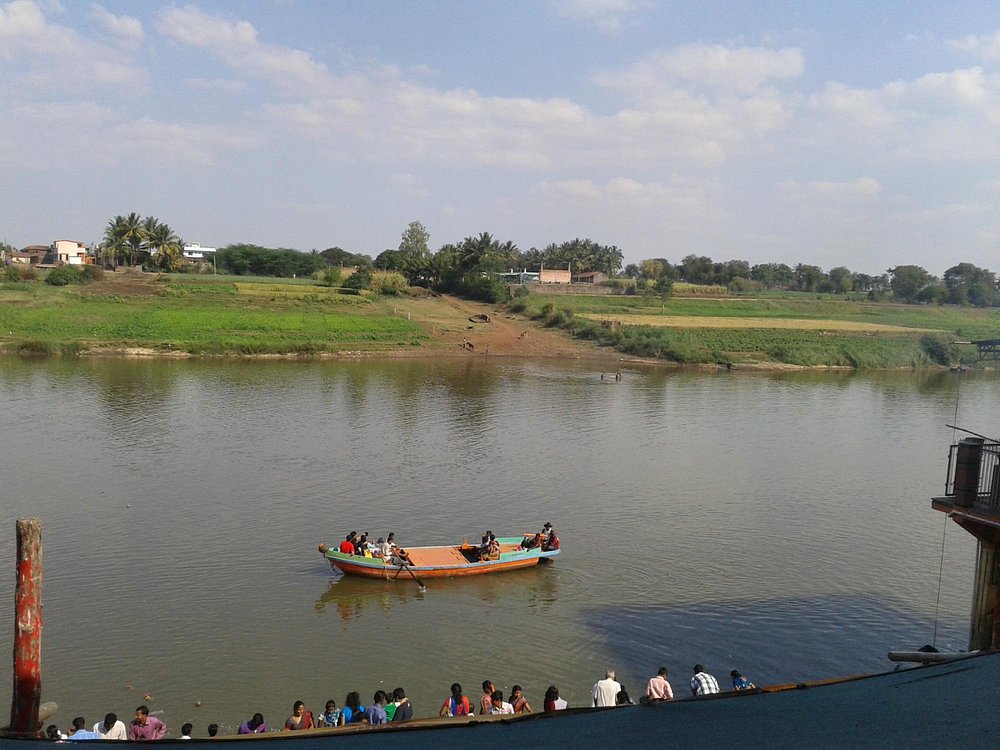 Krishna River
However, the improvement does not mean that the rivers are completely free from pollution. The Mula-Mutha, which flows through Pune, continues to remain in Priority Class II, highlighting the need for further intervention.
The developments demonstrate that pollution-control measures can produce results, but maintaining them requires continuous monitoring and the effective functioning of sewage treatment infrastructure.
The Ramganga in Uttar Pradesh offers an example of how individual efforts can grow into a sustained community movement.
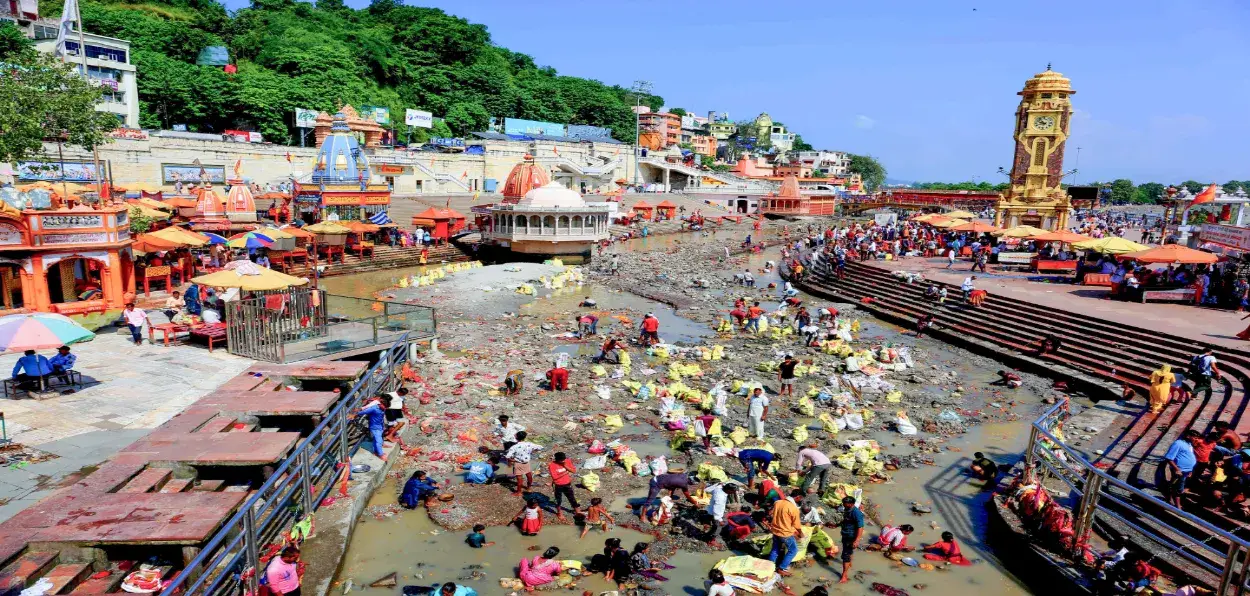
In Moradabad, engineer Kapil Kumar began organising Sunday cleaning drives along the polluted river in 2018. Concerned about the plastic, clothes, flowers and household waste accumulating along its banks, he decided to take practical action rather than limit himself to raising awareness.
Over the years, the initiative has grown into a community effort involving thousands of volunteers. According to a recent report, the campaign has removed more than 1.2 lakh kilograms of waste and involved over 5,000 people.
The initiative highlights an important aspect of river conservation: cleaning the banks is only the beginning. Unless people stop dumping garbage and other waste into waterways, the pollution will return.
The Yamuna presents a more complicated picture. Despite several restoration projects, particularly in Delhi, the river continues to face serious pollution challenges.
The government has completed nine projects under the Namami Gange Programme to create 1,268 million litres per day (MLD) of sewage treatment capacity for the river at a cost of Rs 1,951 crore.
However, a July 2025 government assessment revealed that approximately 641 MLD of sewage generated in Delhi remained untreated and entered the river or drainage network. Fourteen of the city's 37 operational sewage treatment plants were also found to be non-compliant with prescribed discharge standards.
India's rivers are essential to its agriculture, biodiversity, drinking water supply and cultural traditions. Their restoration is therefore not merely an environmental responsibility but also a matter of public health and the country's long-term development.
Preventing untreated sewage and industrial effluents from entering rivers, improving waste management, protecting riverbanks and involving local communities must remain long-term priorities.
READ MORE: Kashmiri youth Musaib is cycling 3,600 Km on an ordinary bicycle
The decline in the number of polluted river stretches offers a reason for optimism. But the real measure of success will be whether these improvements can be sustained and whether future generations inherit rivers that are clean, healthy and capable of supporting life.