

Ashhar Alam / New Delhi
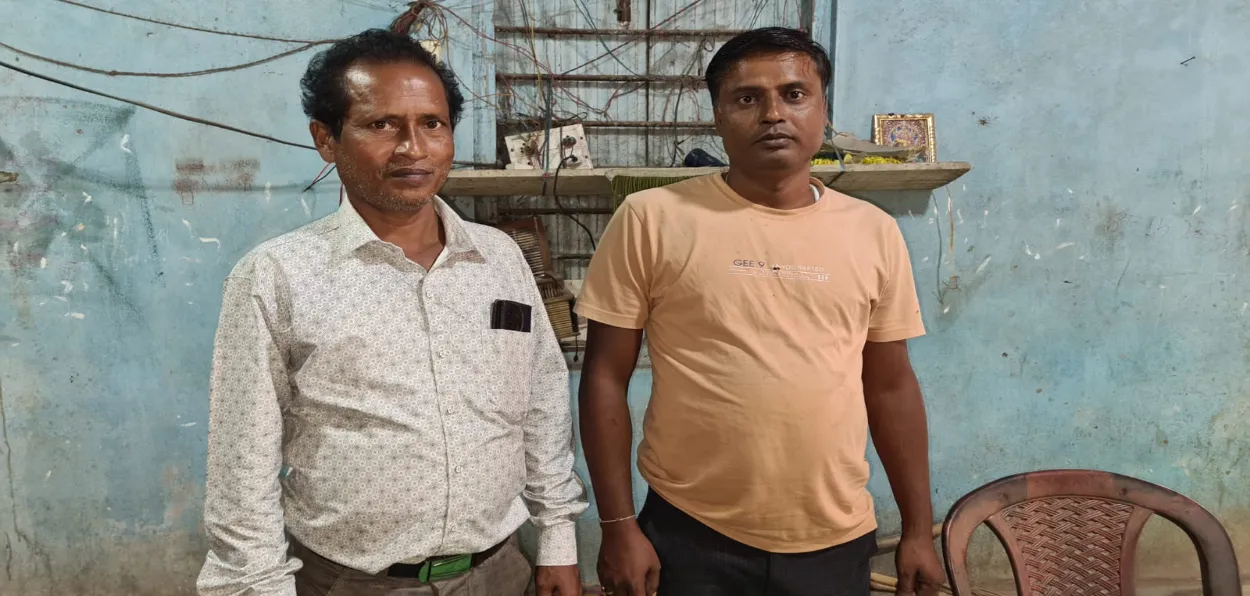
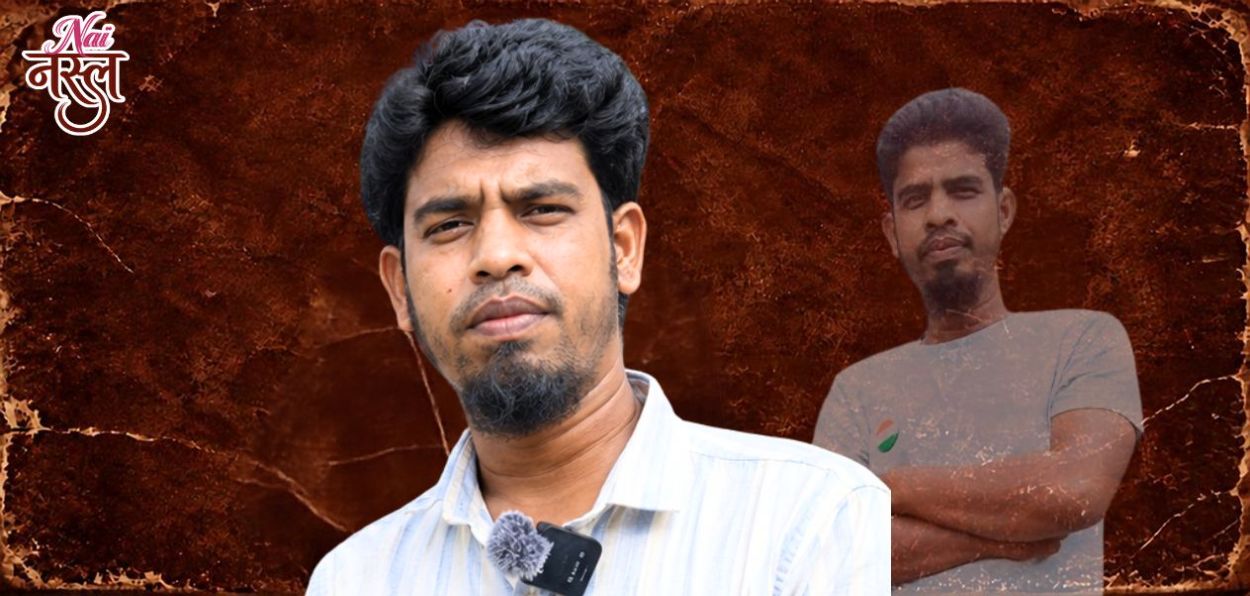
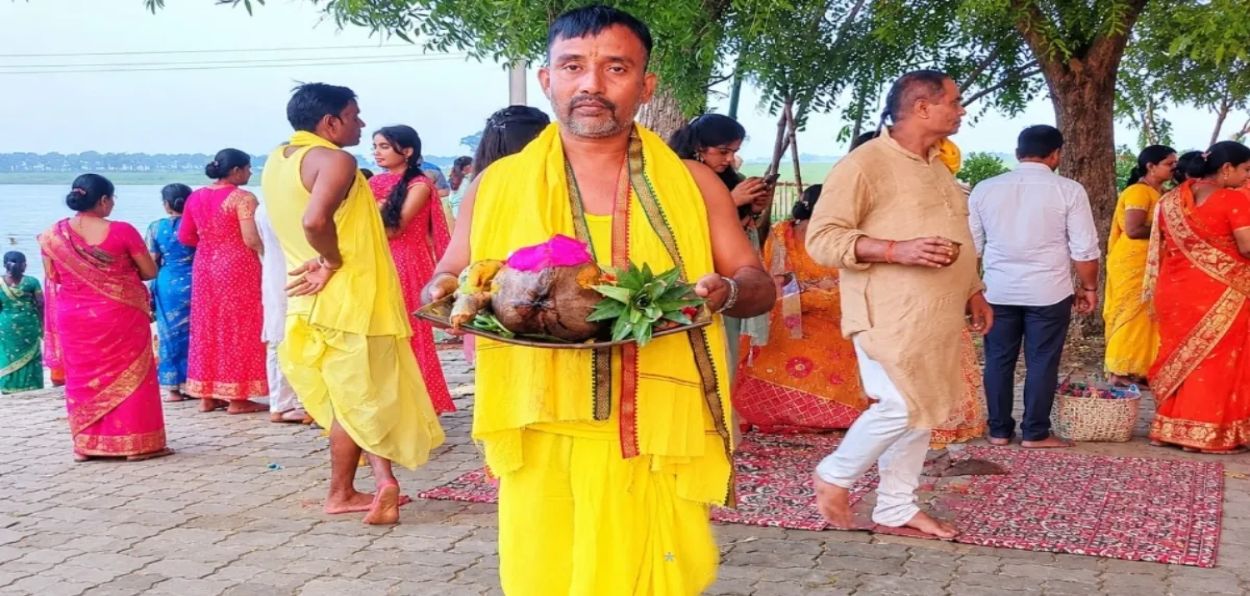
Mohammad Asghar Ali, the Mukhiya (Head) of Kanjharua Panchayat, Buxar, in Bihar has been observing the festival of Chhath with his family for the past several years, offering a heartwarming example of faith, mutual respect and communal harmony.
For Asghar Ali, Chhath is not merely a religious ritual. It is a commitment he made during a difficult phase of his political journey, one that eventually became an enduring family tradition. His participation in the festival has also become a reminder that relationships between communities can be strengthened through shared traditions and respect for one another's beliefs.
The story of his association with Chhath started in 2016, when he was contesting the panchayat elections. Hoping to become the Mukhiya of his village, he made a promise to Chhathi Maiya that if he won the election, he would observe the rigorous Chhath fast of 36 hours every year.
His first attempt did not bring the result he had hoped for. He lost the election by a narrow margin. Despite the setback, his resolve remained unchanged.
Five years later, in the 2021 panchayat elections, his wish was fulfilled. Asghar Ali was elected Mukhiya of Kanjharua Panchayat. Remembering the promise he had made, he decided to honour it by observing Chhath with complete dedication.
After becoming Mukhiya, Asghar Ali began observing the Chhath fast, including the demanding 36-hour period without food or water. His wife, Razia Begum, their children and other family members joined him in the celebrations.
His sons, Aftab Alam, Arif and Arshad, and daughters, Muskan, Sabina and Kaynat, have all been part of the family's observance of the festival.
Although the festival is traditionally associated with Hindu communities, Asghar Ali believes that its message of discipline, gratitude and respect for nature has a wider human significance.
His participation challenges the idea that cultural practices must always remain confined within religious identities. For him, respecting another community's traditions does not diminish one's own beliefs. Instead, it creates opportunities for people to understand one another and build stronger relationships.
His family's involvement has also received support from neighbouring Muslim families. This makes the celebration a collective expression of community participation rather than an isolated personal practice.
This year, however, Asghar Ali will not personally undertake the Chhath rituals because of a birth-related period of ritual observance, known as janm sootak, in the family.
Despite this, he does not intend to let the family's association with the festival break. He plans to arrange for the worship to be performed through a neighbour, ensuring that the tradition continues even in his absence from the rituals.
The decision reflects how deeply the festival has become embedded in the family's life. For Asghar Ali, the circumstances may prevent him from observing the fast personally this year, but they cannot weaken his commitment to the tradition.
Asghar Ali's story is significant not simply because a Muslim family celebrates a Hindu festival, but because it illustrates how people from different backgrounds can participate in each other's cultural lives without losing their individual identities.
ALSO READ: Imam's responsibilities are beyond leading prayers
In Kanjharua Panchayat, Asghar Ali's annual association with Chhath has become one such example. His family joins a festival deeply rooted in Bihar's cultural life, while neighbours extend their support and cooperation.