Naseem Akhtar
Leadership in Islam is not based on authority alone; it is founded upon wisdom, humility, compassion, and responsibility. Today, the role of an Imam in the Indian context has become more important than ever.
It is even more important to groom the new generation of Imams, who, in turn, would lead the community. An Imam is not merely a person who leads prayers. He is a guide, a teacher, a counsellor, a mediator, and, above all, a representative of Islamic values within society. He is expected to remain above partisan politics, possess clarity, and be grounded in Islamic philosophy.
At a time when the political representation of Muslims in the country is diminishing, the Imam can play a crucial role at the local level in guiding the community. An Imam has the authority and ability to align people with the national consciousness while helping them remain rooted in their faith.
One of the major responsibilities of an Imam is preserving unity within society. Allah Almighty says: "And hold firmly to the rope of Allah all together and do not become divided." (Surah Aal-e-Imran 3:103)
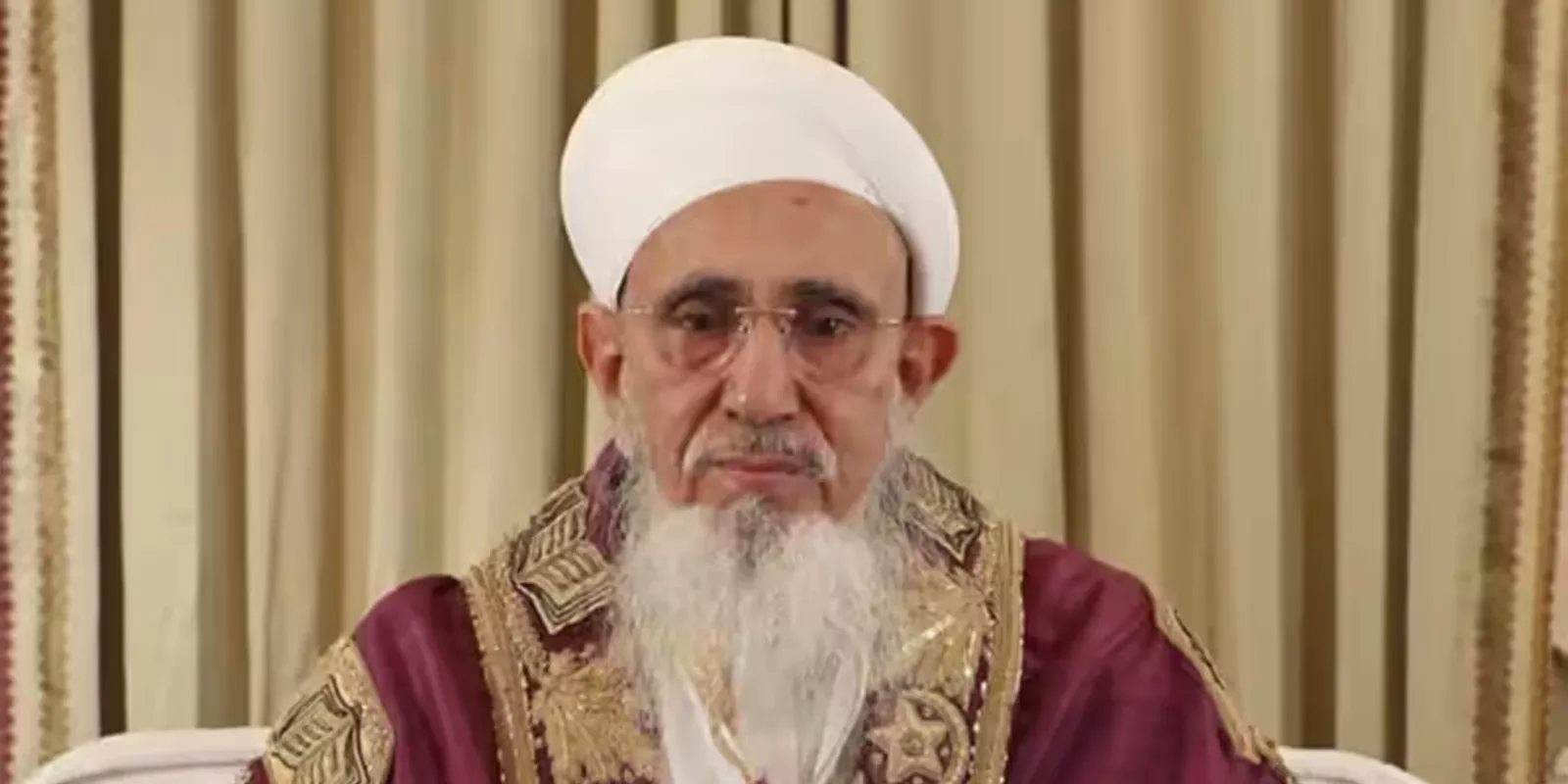 Dr Syedna Mufaddal Saifuddin
The Imam's language should be inclusive rather than divisive. He should avoid inflaming sectarian disputes, political hostilities, or personal rivalries.
This does not mean compromising on truth. Rather, it means presenting the truth with wisdom while safeguarding the broader interests of the community.
People already face enough divisions in the modern world. The mosque should remain a place where hearts unite rather than where differences are amplified.
Like the priesthood in most other world religions, religious leadership in Islam is predominantly a masculine concept. The Imam's words carry weight, his conduct influences hearts, and his interactions often determine how people perceive religion itself. He can play a crucial role in shaping people's worldview.
Therefore, the speech of an Imam should beautify the message of Islam, not distort it through unnecessary severity or politicisation. As a leader, the Imam should empower people with the right vocabulary and discourse. He should help them build a narrative that contextualises religion within contemporary realities.
People may sometimes forget a sermon, but they rarely forget the manner in which an Imam spoke to them.
The Arabic word Imam signifies leadership. However, leadership in Islam is not based on political authority alone. Therefore, the speech of an Imam—his kalaam—is not an ordinary form of communication. It is a trust (amanah) that can either heal hearts or push people away, unite communities or create divisions, inspire change or deepen despair.
In today's age of social polarisation, ideological conflicts, and declining patience, the role of an Imam has become even more significant. Society does not merely need scholars who can quote texts; it needs leaders who can translate those teachings into wisdom that resonates with people's lives.
Allah Almighty commands in the Holy Qur'an: "Invite to the way of your Lord with wisdom and good instruction, and argue with them in a way that is best." (Surah An-Nahl 16:125)
This verse establishes the primary principle of Islamic communication. The mission of an Imam is not to win arguments but to win hearts. Wisdom requires understanding the audience, their circumstances, their struggles, and their level of understanding.
Many people come to the mosque carrying unseen burdens—family problems, financial hardships, emotional distress, and spiritual confusion. If an Imam uses harsh words and shows arrogance while dealing with such people, he may end up driving them further away. But if he speaks with wisdom and compassion, he becomes a source of comfort and guidance.
The objective of speech in Islam is not humiliation but transformation.
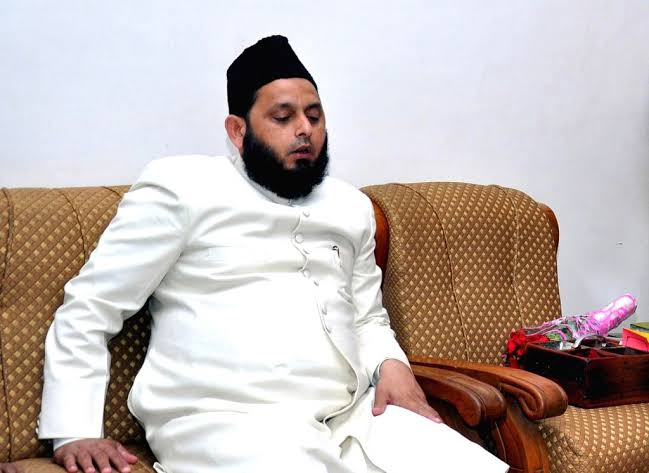 Maulana Khalid Rashid Firang Mahli
The Messenger of Allah was the greatest example of effective communication. Despite facing hostility, mockery, and persecution, he remained gentle in his speech.
Allah says: "It is by the mercy of Allah that you were gentle with them. Had you been harsh and hard-hearted, they would have dispersed from around you." (Surah Aal-e-Imran 3:159)
This verse carries a timeless lesson for every Imam. People are naturally drawn towards kindness and repelled by harshness. An Imam who constantly criticises, condemns, and shames people may gain attention, but he will struggle to earn people's affection and trust.
Gentleness is not weakness. Rather, it is a sign of strength and maturity. The Prophet stated: "Gentleness is not found in anything except that it beautifies it, and it is not removed from anything except that it makes it defective." (Sahih Muslim)
One of the greatest qualities of successful religious leadership is understanding people before addressing them. The companions of the Prophet differed in age, culture, background, and temperament. Yet the Prophet communicated with each according to their level of understanding.
Hazrat Ali famously said: "Speak to people according to their level of understanding. Do you want Allah and His Messenger to be denied?"
This principle is especially relevant today. The audience in a mosque may include scholars, labourers, students, businessmen, elderly people, women, and youth. Their concerns differ greatly.
An Imam must therefore ask:
What challenges are people facing?
What questions are troubling their minds?
What social issues require guidance?
How can Islamic teachings be connected to their realities?
A sermon disconnected from people's lives often fails to inspire change. Many assume that an Imam's responsibility is only to speak. In reality, effective leadership begins with listening.
People seek out an Imam not only for religious rulings but also for emotional support. Sometimes they do not need immediate advice; they simply need someone who listens to them.
The Prophet was known for giving his full attention to those who spoke to him. He never made people feel insignificant.
An Imam who listens carefully earns trust. Through listening, he gains insight into the actual needs of his community. His sermons become more relevant, his guidance more practical, and his relationship with the people more meaningful.
Knowledge is a blessing, but it can become a source of destruction if it produces arrogance.
An Imam should never create the impression that he is morally superior to everyone else. People respect scholars who are humble and approachable.
The Prophet said: "Whoever has an atom's weight of arrogance in his heart shall not enter Paradise." (Sahih Muslim)
When an Imam speaks as though he alone possesses the truth and everyone else is misguided, he creates distance between himself and the community.
Humility allows people to approach him without fear. It enables constructive dialogue and fosters mutual respect.
Many people struggle with guilt and feel distant from Allah. An Imam's speech should open doors of hope rather than close them.
The Qur'an declares: "Do not despair of the mercy of Allah. Indeed, Allah forgives all sins."
(Surah Az-Zumar 39:53)
The Prophet was known for making religion easy and approachable. He said: "Give glad tidings and do not drive people away; make things easy and do not make them difficult." (Sahih al-Bukhari and Sahih Muslim)
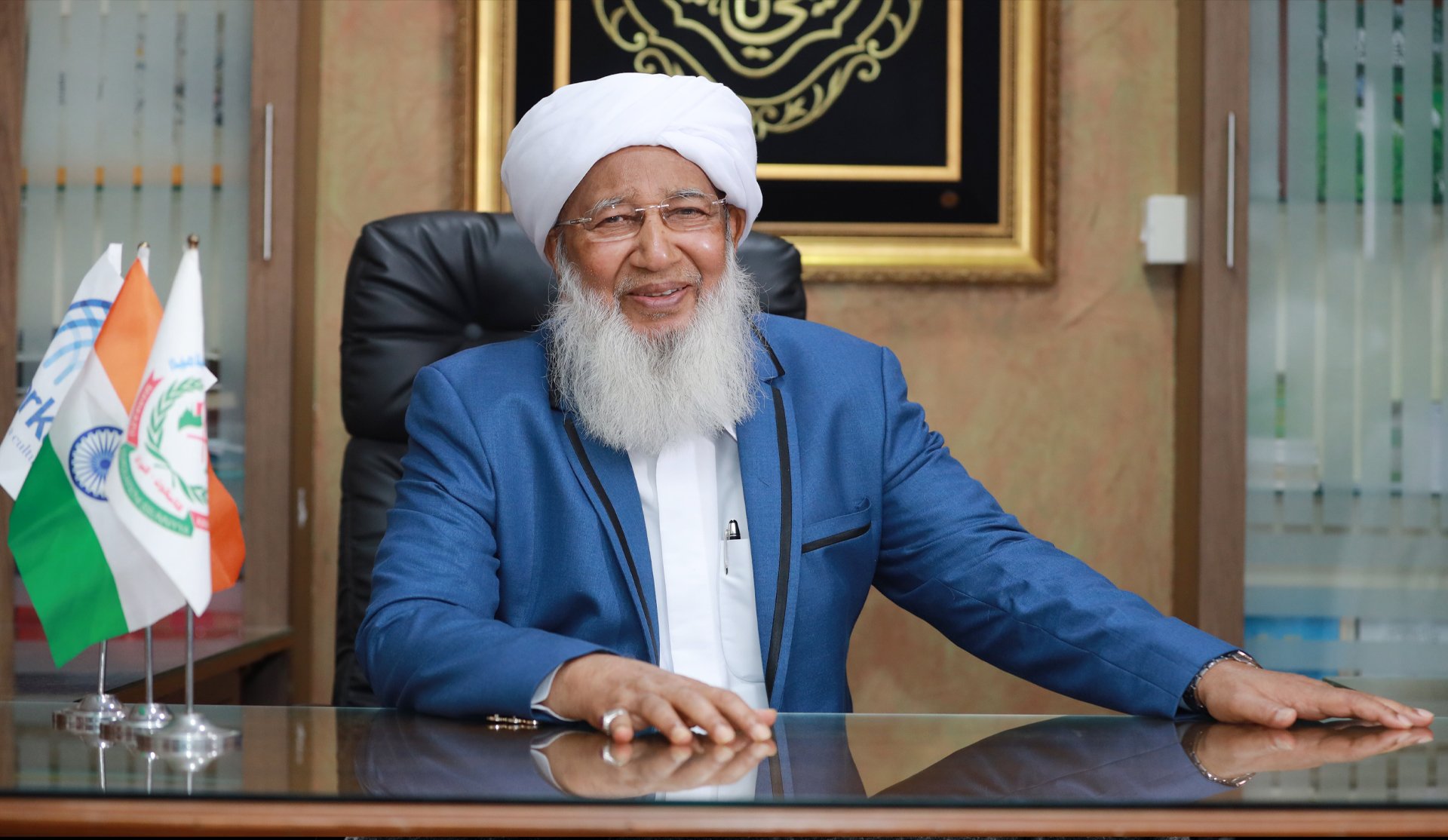 Grand Mufti Syed Abu Bakar
An Imam should remind people of accountability as well as of Allah's mercy. A balance between fear and hope is essential for spiritual growth.
The credibility of an Imam does not come solely from his words; it comes from his character.
Allah warns: "Do you command people to righteousness and forget yourselves while you recite the Scripture?" (Surah Al-Baqarah 2:44)
When actions contradict words, trust is damaged. People observe an Imam's behaviour both inside and outside the mosque.
His honesty, humility, punctuality, patience, and dealings with others all contribute to the effectiveness of his speech. A single act of good character can sometimes influence people more deeply than an entire sermon.
The younger generation faces challenges unknown to previous generations. Social media, identity crises, mental health struggles, and constant exposure to conflicting ideas have transformed the social landscape.
An Imam must engage with the youth through empathy rather than judgment. Instead of beginning conversations with criticism, he should begin with understanding. He should create spaces where young people feel comfortable asking questions without fear of humiliation.
The Prophet consistently welcomed the youth, guided them patiently, and invested in their development.
If the mosque loses its connection with the youth, society risks losing its connection with future generations.
An Imam's influence should not remain confined to the prayer hall.
He should participate in community welfare, educational initiatives, efforts to promote social harmony, and humanitarian activities. People should see him as a contributor to society's well-being.
The Prophet described the believer as one who benefits others. When an Imam actively serves society, his words gain credibility. His sermons cease to be theoretical and become reflections of lived values.
ALSO READ: A ‘Namaste’ can make a difference: Muslims must reach out and connect
The kalaam of an Imam is more than speech; it is a responsibility before Allah and society. Every sermon, every conversation, and every piece of advice carries the potential to shape hearts and transform lives.
Dr. Naseem Akhtar is an Islamic scholar with the Bihar State Madrasa Education Board