

Syed Amjad Ali
Victimhood is contextual and varies in its nature. The nature of victimhood is reflected in where you are born, your class, your legacy, your financial status, etc. It cannot be defined as one big universe. In a country as diverse and as big as ours, ‘victimhood’ io is equally diverse and varied.
I am an advertising professional, and have never faced any discrimination or pressure for work in the name of religion during my career. It's a creative business, and I work with some of the finest minds in the country to create something meaningful and valuable for a brand, and have never seen.
Social harmony in Gaya (Called Gayaji); administration was alert on occasions like Muharram, Ram Navmi, etc as a measure of precaution. In the last few decades, the cinema has played a major role in projecting a negative image of Indians Muslims. The portrayal of Muslim characters in films is concerning and calls for debate. Quite often, they are shown as smugglers, terrorists, or bad cops, etc. The Muslim characters are skewed versions of the real-life people and end up creating a negative impression about the community. As cinema leaves a deep, though subtle, impression in the minds of viewers, ithas damaged the Muslims.
In the nineties, the media spoke a lot about Muslims not participating in the Indian mainstream. They were seen as living in isolated communities or ghettos. That too was not helpful for Muslims’ image. There have been more factors than one that impacted the image of the Muslim community.
The times we live in today are very different. We live in a very connected world through the internet and social media. Like cinema, social media too has become a necessary evil. Plus, with hundreds of news channels, each projecting speakers in prime-time debates to project Muslims in a particular way to manage their audience, TRPs and run their agenda. The world today stands in sharp contrast to the times I lived 40 years ago in Gaya, a small town.
In a country of 140 billion people, everyone has a phone and can make a video and upload it instantly. Anything can go viral and reach different sections of society. While the incidents posted on social media may be real, the amplification is a hundred times more. For a moment, if there was no social media, the same problem would look less of a problem. The problem will be there, but its amplification will not be.
Also, that will, so has the discrimination. The point is that minorities have always faced challenges, and it is not typical of India alone (look at the US, UK, so-called civilised countries); it's equally insane and barbaric at times, and laughable as far as their rights are concerned.
The question is, how do Muslims progress onwards in a polarised world? Indian Muslims have been an integral part of society. While one may not be able to ignore current challenges, one also needs to understand that nothing lasts forever. There has also been a lot of goodness inside. For example, Indian Muslims and all other minorities in India avail the same benefits of welfare schemes, PM Awas Yojna, govt. and private scholarships, subsidies wherever applicable, and digital payments facilities to do business. They are equal participants in all government facilities, whether small or big.
Indeed, discrimination will not end in a day; what matters is how you look at it and how you solve it. How positive you are about the goodness of society and how much you can address it one-on-one, as an individual.
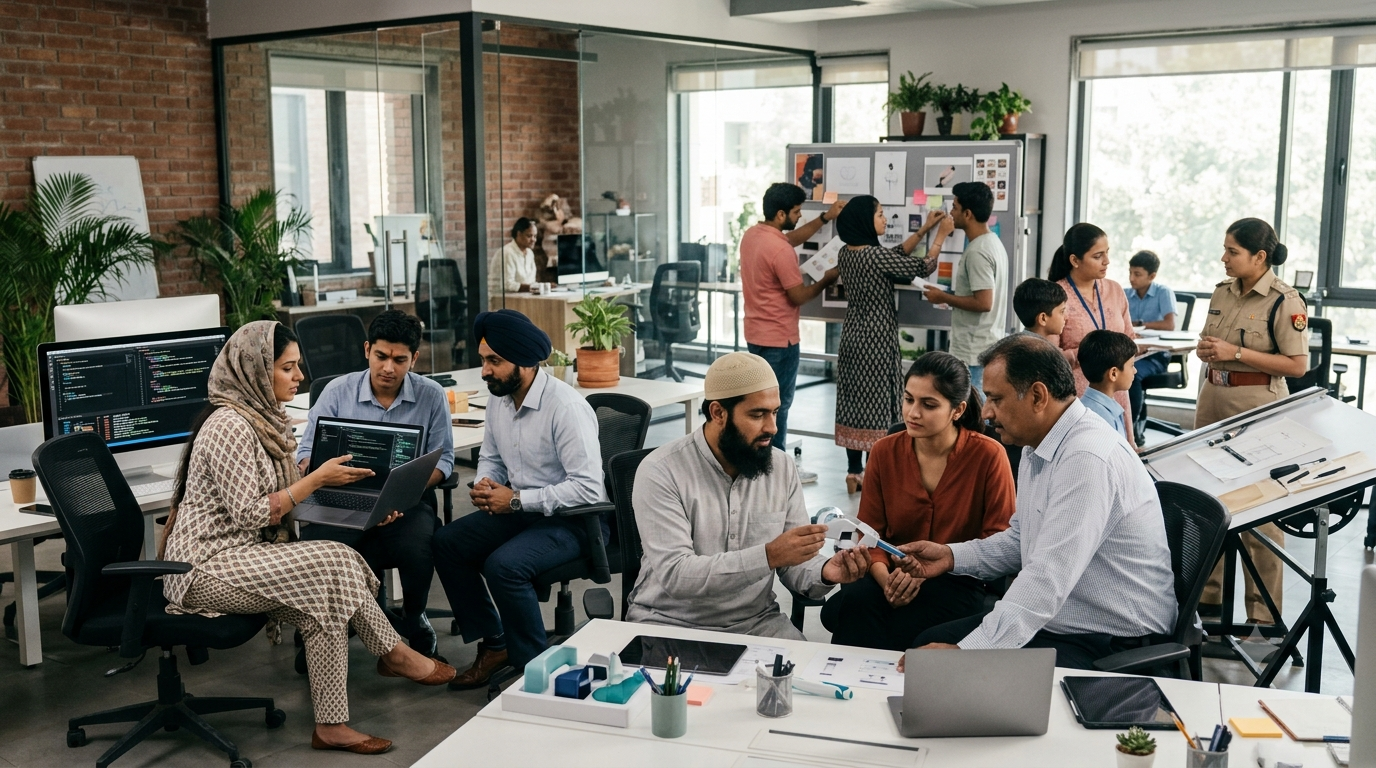
Challenges notwithstanding, Muslims also need to work on their image. To begin with, it's important to interact with all communities. Proactive interaction would gradually start to make a difference. Just a small gesture of 'Namaste' can make a big difference.
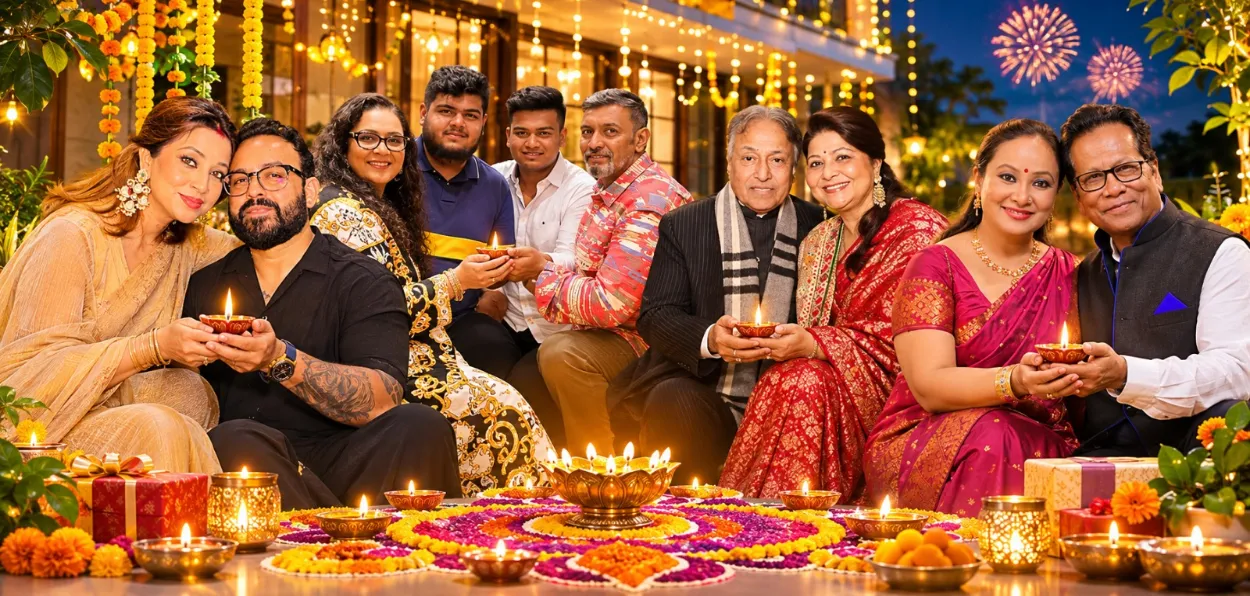
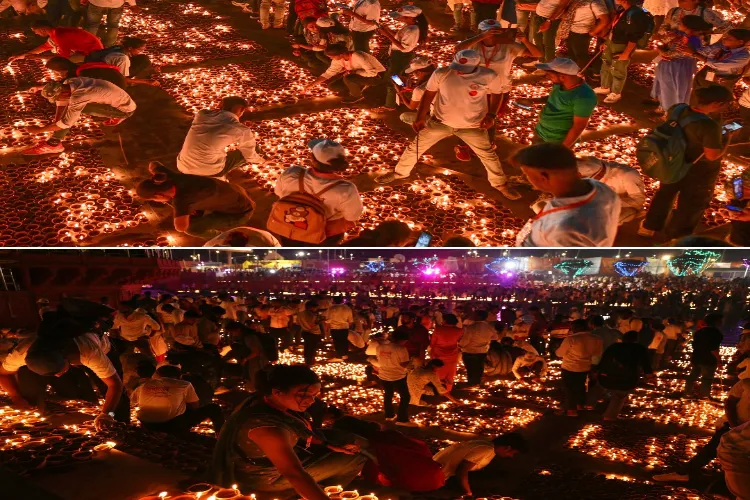
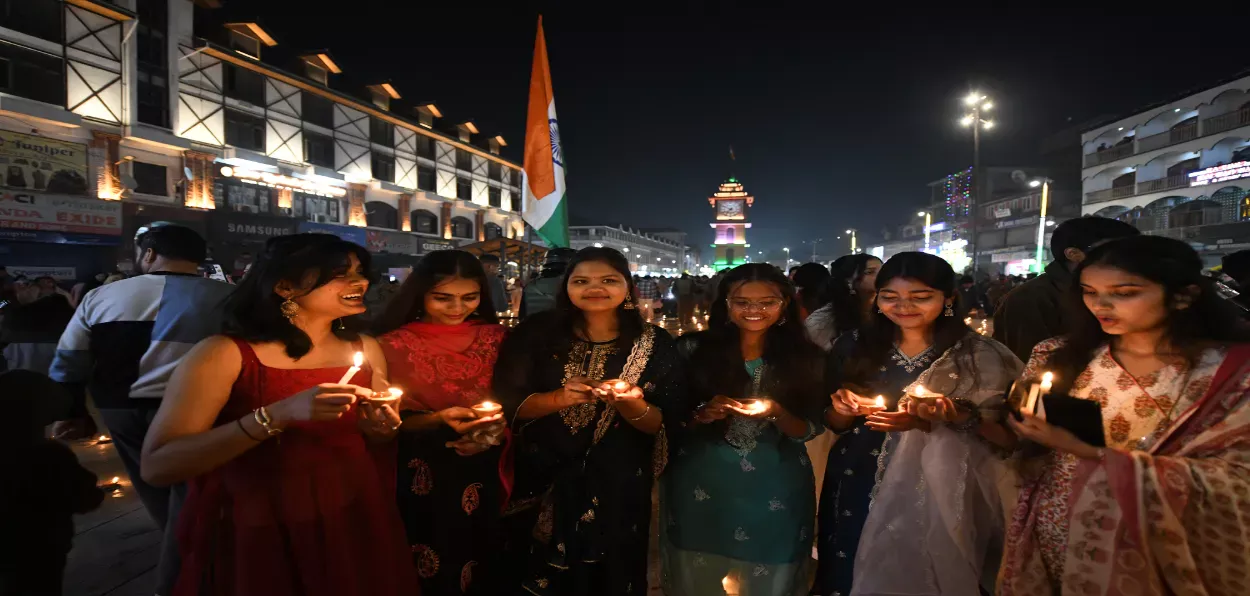
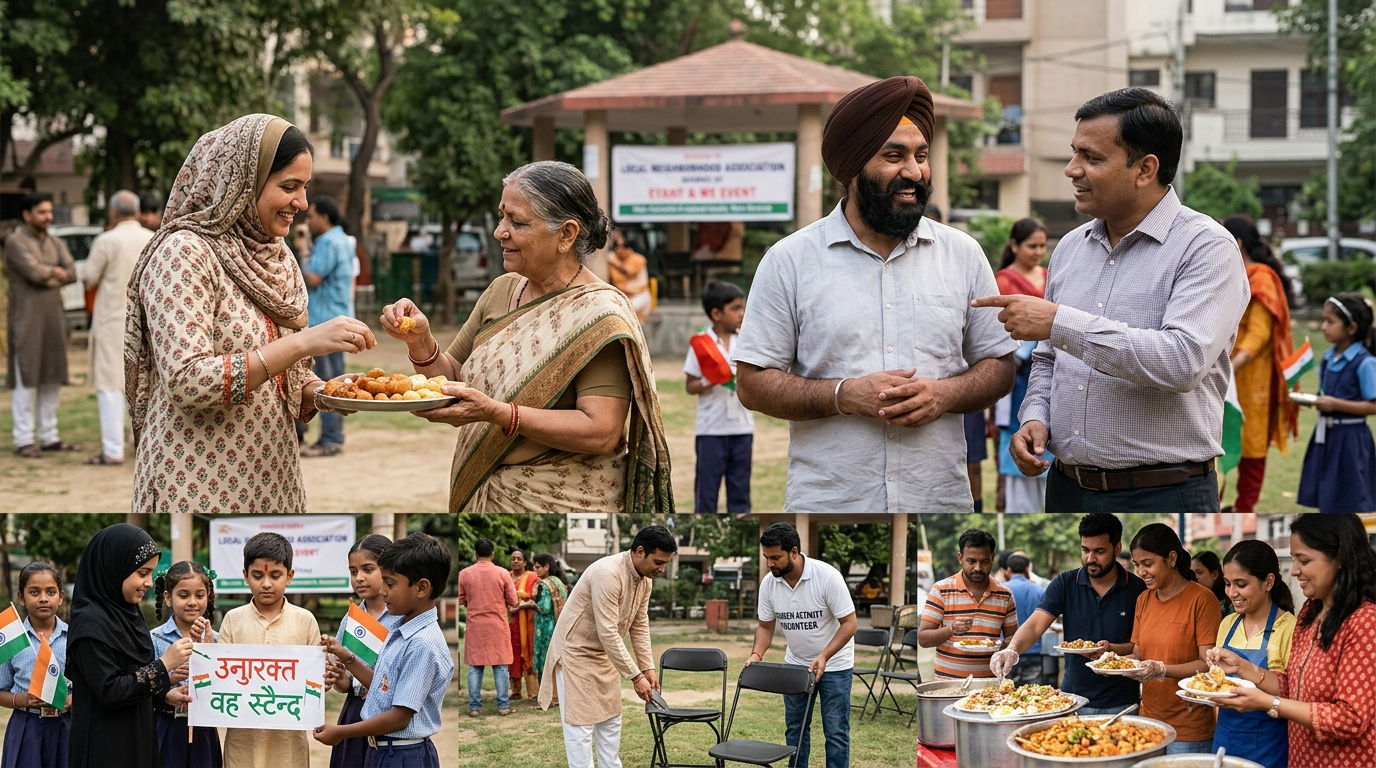
Secondly, festivals are the best occasions for interaction. It brings communities together culturally. Even today, despite living together for hundreds of years, there are major gaps in understanding each other's religion, culture, food habits, etc. One of the best ways to address this is to Intermingle during national festivals.
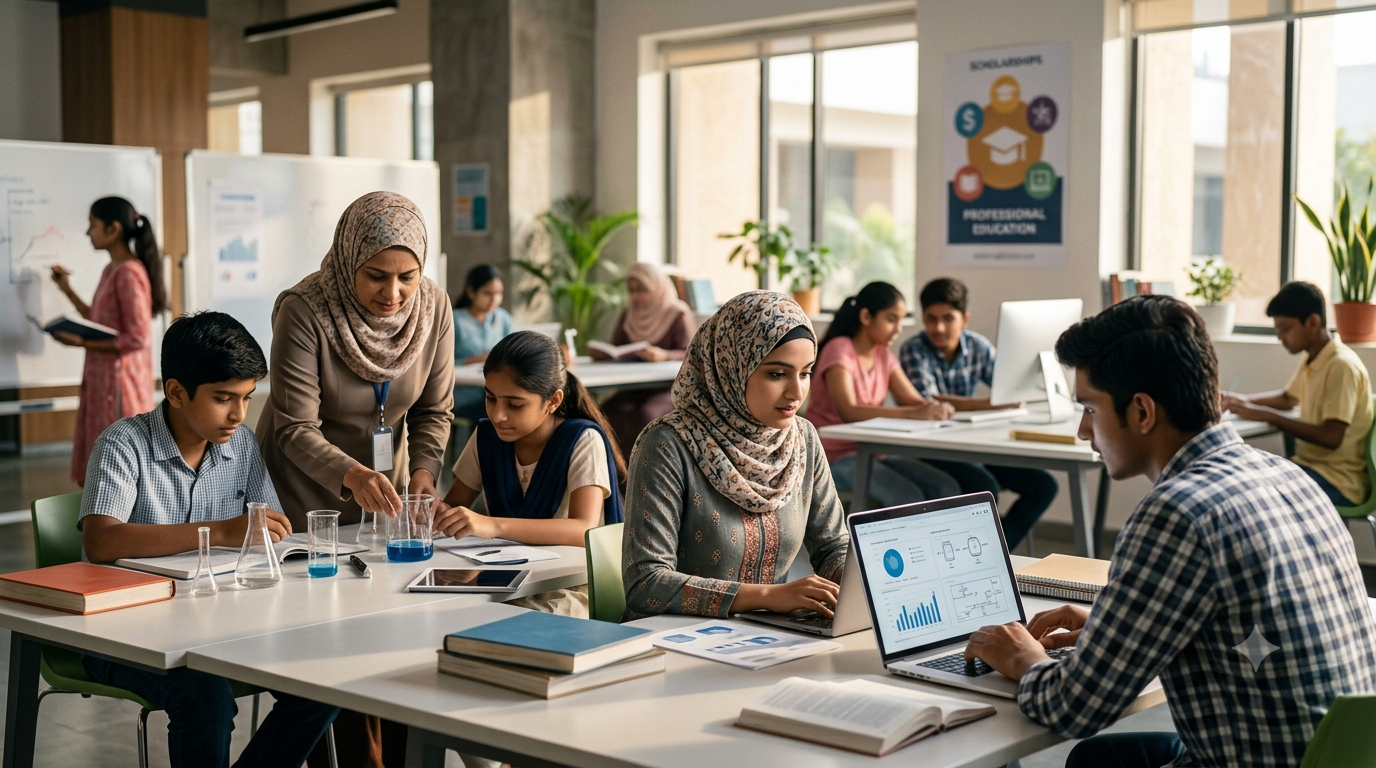
Importantly, improving the community's image relies heavily on educational empowerment, followed by economic independence, civic engagement and, of course, social outreach. Also, by actively participating in nation-building and fostering open dialogue, Indian Muslims can break stereotypes and build stronger, integrated communities. They need to prioritize Education and Skill Development, and focus on Higher Education. Emphasise professional degrees and modern education alongside religious studies to compete effectively in the modern workforce.
Supporting the girl child and women is crucial. Educating women creates a multiplier effect, equipping families to escape poverty and significantly empowering the next generation. Also, utilise scholarships, whether government or private, designed for minority communities to reduce dropout rates.
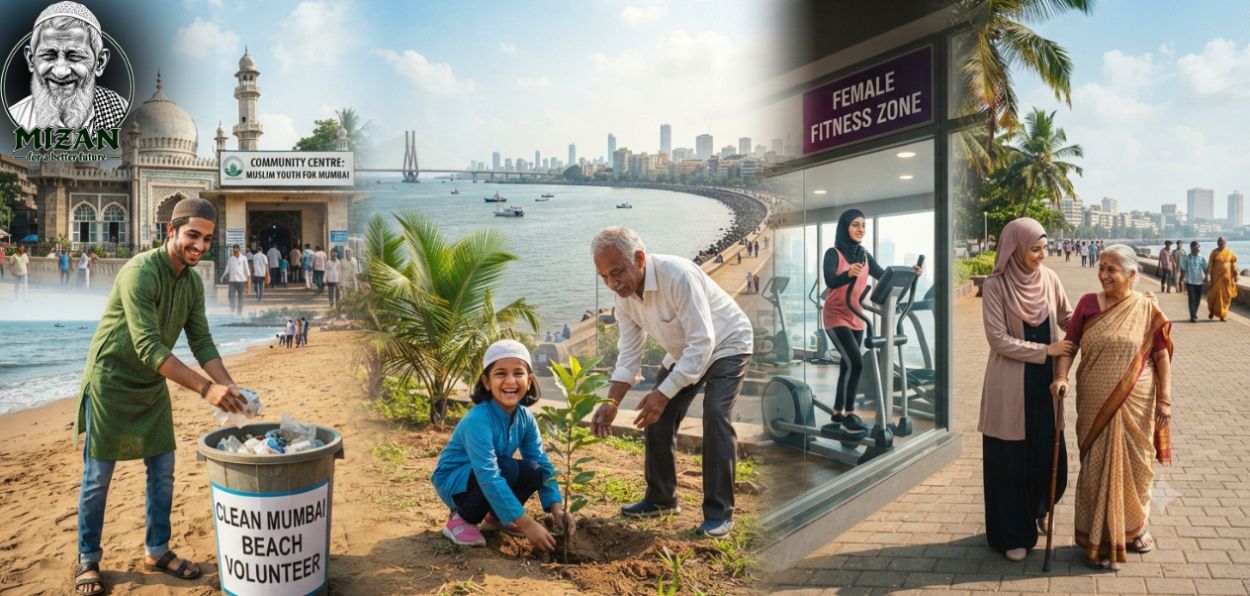
It's also very important to develop social outreach and interfaith dialogues. Build bridges by opening community centers or mosques to the wider public during festivals or specific events, and focus on shared cultural histories. And I am sure there would be many more ways to enhance bonding.
ALSO READ: Five money-spending sprees Muslims can divert to community welfare
At the end of it, while so many changes are taking place and Muslims seem to be seen as suffering, it's crucial to think positively about everything, no matter where you are or what you do.