

 Sabiha Fathima
India is witnessing a trend, where Muslims institutions are increasingly responding to local challenges with practical solutions. Fom health and education to family welfare and religious inclusion, these community-led efforts demonstrate how tradition and social service can work hand-in-hand to meet contemporary needs.
These best practices in various parts of the country if adopted could have a positive impact on the well-being of the community.
It started with a disturbing discovery. A community survey in Rajendranagar's Wadi-e-Mahmood revealed an alarming burden of lifestyle diseases among women from nearby slums, with over half at risk of cardiometabolic syndrome and many living with obesity, PCOD, diabetes, hypertension and thyroid disorders. The findings demanded more than medical treatment, they called for a space where women could adopt healthier lifestyles through regular exercise and preventive care.
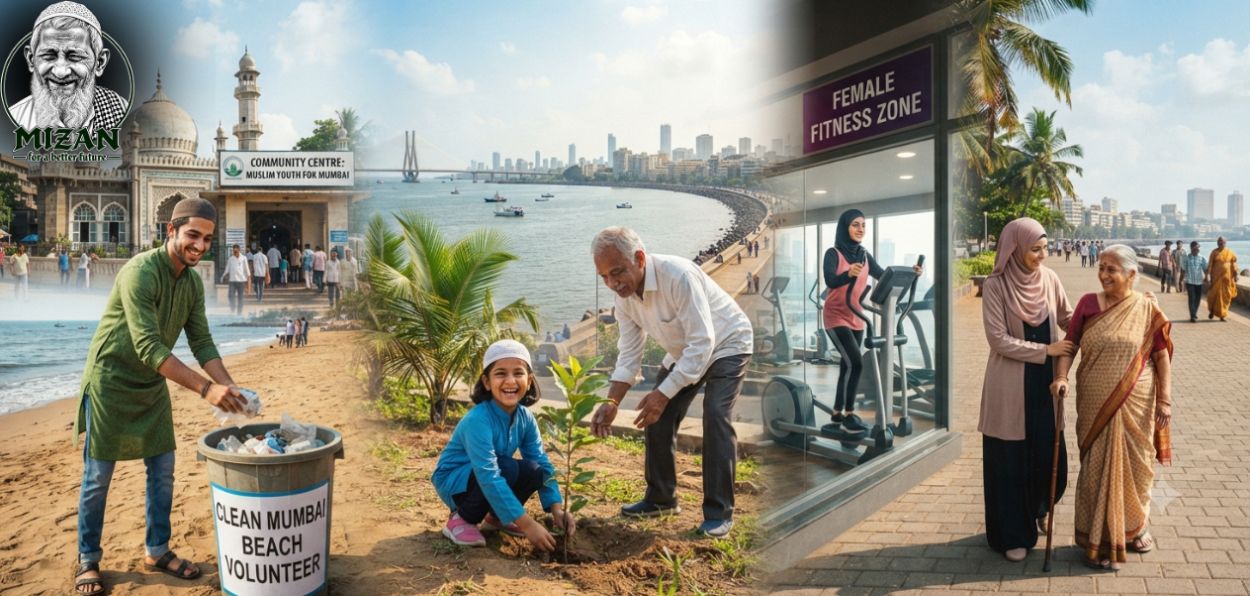
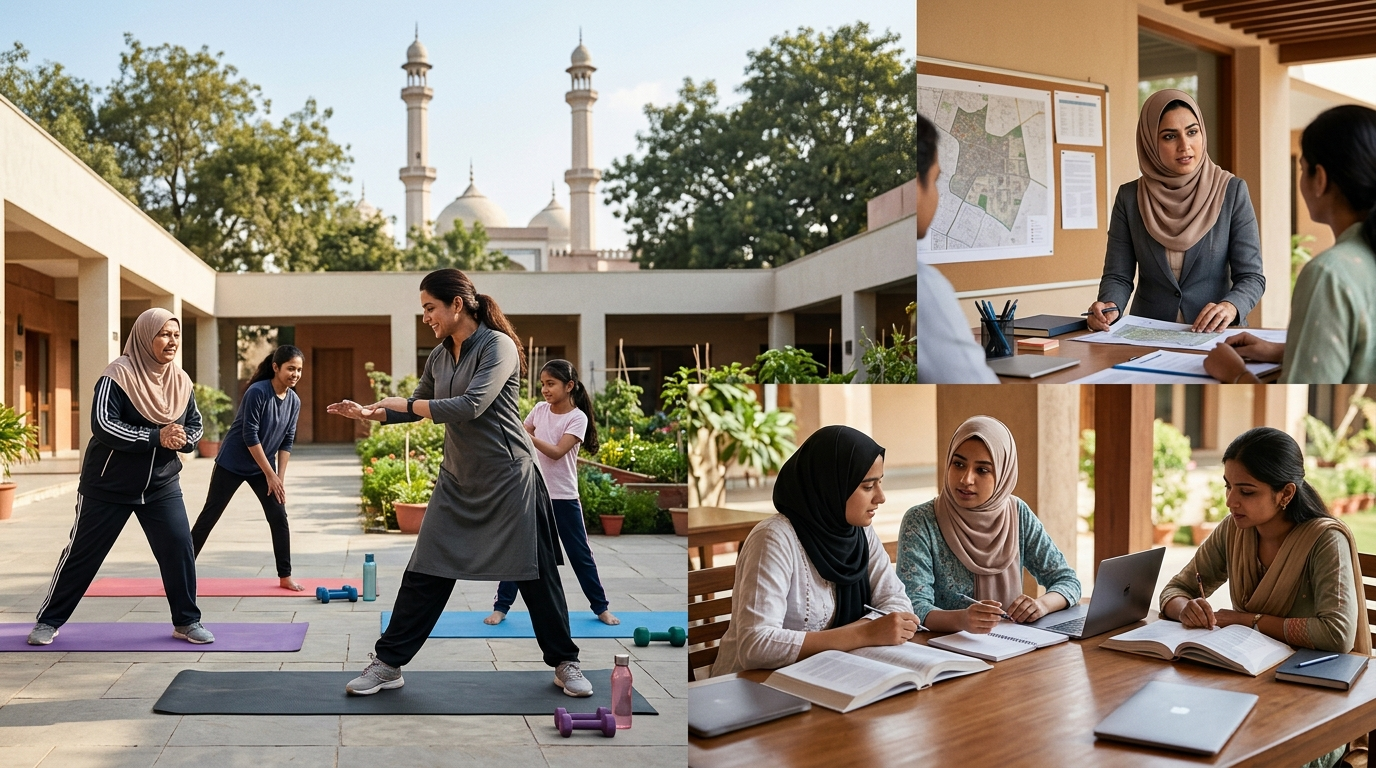
The last place most people would expect to find a women's gym is inside a mosque. Yet in 2021, Masjid-e-Mustafa became home to Telangana's first mosque-based wellness centre and gymnasium for women. Equipped with a professional trainer and supported by health counsellors and a physician, the initiative transformed a place of worship into a trusted hub for preventive healthcare, offering fitness, health screenings and lifestyle counselling in a culturally accessible setting
Far from being an isolated initiative, such creative community responses appear in diverse settings. Globally, young Muslim entrepreneurs in Mumbai’s Dharavi slums pioneered community-led plastic recycling cooperatives that turned waste collection into sustainable micro-enterprises, reducing landfill burden while providing livelihoods. In parts of coastal regions, similar local fishing communities have led mangrove restoration efforts for environmental protection and income security.
For generations, cultural practices have limited women's participation in mosques across much of South Asia, despite historical accounts of women praying and participating in community life during the Prophet's time. Seeking to reclaim that legacy, the Kolkata-based Muslim Women's Study Circle launched the nationwide "Muslim Women in Masjid" movement in 2020. Founder Sania Mariam summed up its inspiration: "The idea was to go back to history," referring to women's active role in Masjid an-Nabawi in Medina.
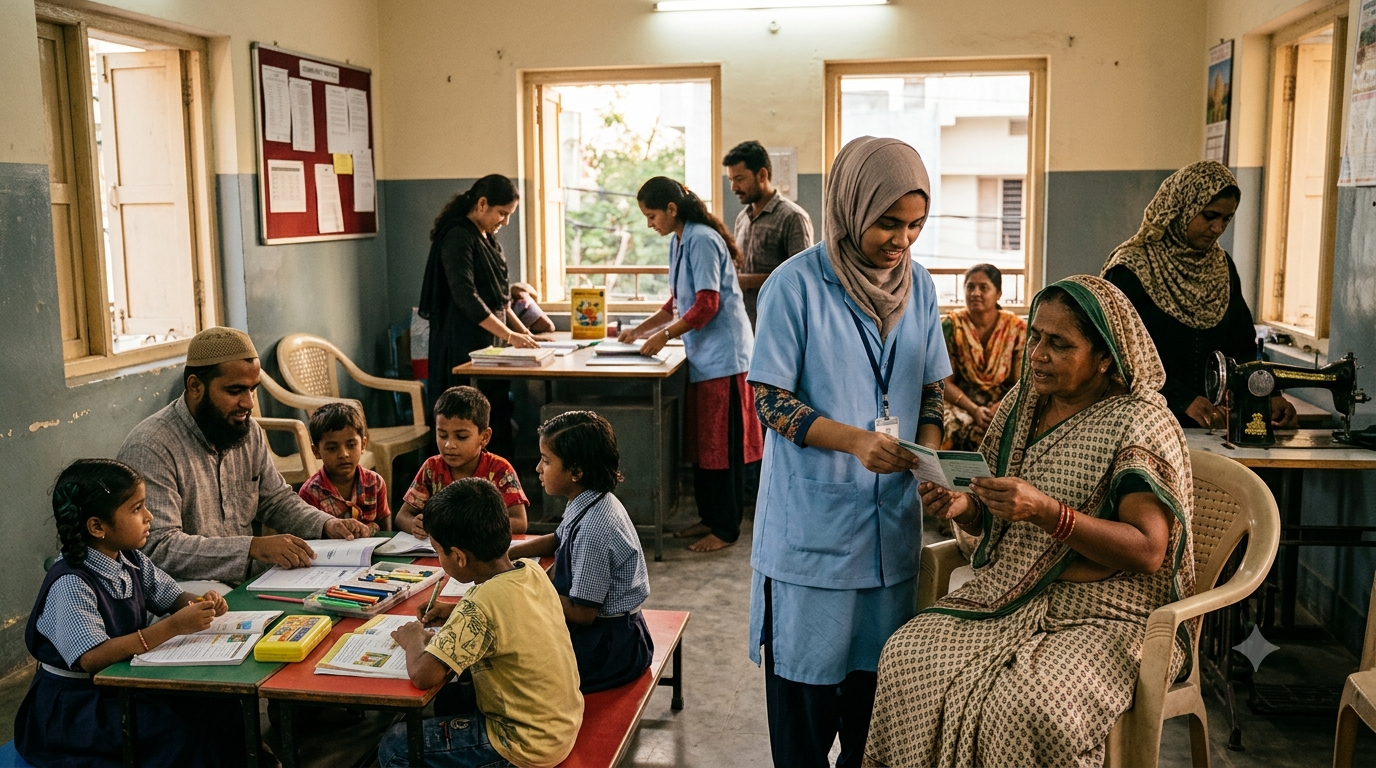
The movement has since documented nearly 150 women-friendly mosques, organised heritage walks, coordinated nationwide congregational prayers and engaged mosque leaders to create dedicated spaces for women. As activist Asra Nomani noted, "Praying in mosques is considered a taboo today because regressive interpretations of Islam... have prevailed over women's rights that Islam granted us in the seventh century."
For many participants, the impact is deeply personal. Some enter a mosque for the first time, discovering not just a place of worship but a sense of belonging. By sharing these stories online, the movement is challenging barriers to mosque access while amplifying women's visibility and agency across diverse social and sectarian contexts.
Not every wound leaves a visible scar. As mosques expand their role beyond worship and physical well-being, many are also helping address a long-overlooked challenge: the emotional strain that can emerge within marriages and families. Across India, many mosques, local imams and community organisations now offer counselling, mediation and family guidance rooted in Islamic teachings.
Designed to help couples navigate conflict, improve communication and understand their shared rights and responsibilities, these services emphasise reconciliation and preserving family relationships. Affordable and culturally familiar, they are complemented by wider community initiatives. Programmes such as Khushtaar promote mental and physical well-being through healthcare and awareness, while organisations like the Helping Hand Foundation (HHF) provide counselling alongside practical support for families facing financial hardship.
Community resilience also depends on educational opportunity. Across India, education has emerged as another powerful avenue for social transformation. In Kerala, for instance, the Mappila Muslim community has combined religious learning with modern education through reformed madrasas, contributing to literacy rates of over 90% and expanding women's participation in higher education and the workforce.
Elsewhere, initiatives such as Rahmani30, which provides free residential coaching for students from disadvantaged backgrounds preparing for engineering, medical and civil services examinations, have expanded access to higher education and professional careers.
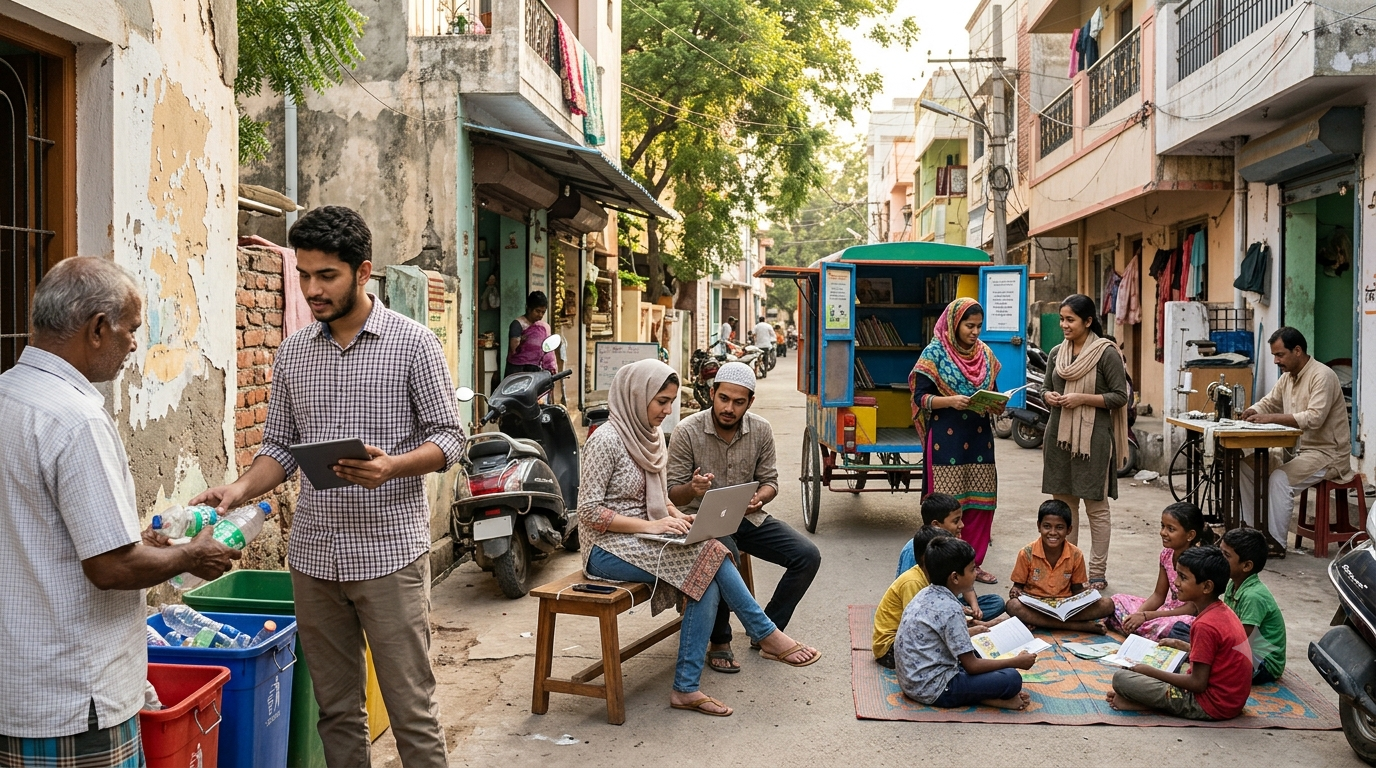
Grassroots innovation complements these efforts. In Hyderabad and surrounding areas, young Muslim volunteers have organized localized mental health awareness drives and support groups addressing stigma in everyday neighbourhoods.
In Kolkata’s Rajabazar and Park Circus slums, local youth including Muslim volunteers, pioneered cycle-cart mobile libraries stocked with hundreds of books, reaching children in slums with reading sessions and basic learning materials, an innovative low-cost model that brought books directly to doorsteps where no formal library existed.
This commitment extends beyond classrooms. Organisations such as WIRSA and IMRC provide scholarships, orphan care and skill-development programmes, often complementing government initiatives. Alongside long-standing traditions of mutual aid, these efforts demonstrate a sustained investment in both immediate welfare and long-term social mobility.
While these initiatives are rooted in local contexts, their significance extends far beyond the communities they serve. Greater visibility through media, research and shared experiences not only humanises often-overlooked realities but also offers practical models that can inspire similar efforts elsewhere.
Muslims are also driving innovation and social impact in unexpected spaces. In France, JR has transformed public spaces into platforms for dialogue through monumental photographic installations.
Hasan Minhaj brought discussions on public policy, global affairs, and social issues to mainstream audiences through his Emmy- and Peabody-winning show Patriot Act, using satire to engage millions. (Forbes India) Meanwhile, Mo Farah has used his Olympic success to inspire young people through charitable and community initiatives. In business, Malaysian entrepreneur Tony Fernandes transformed low-cost aviation in Southeast Asia through AirAsia, making air travel affordable for millions.
Though shaped by regional contexts and not without challenges, these initiatives, whether a pioneering gym inside a Hyderabad mosque, a cycle library in a Kolkata slum, a recycling cooperative in Dharavi, or global voices reshaping public discourse, reveal something profound.
ALSO READ: Can India continue to be the thought leader of the Islamic World?
They show that faith, when lived through action, becomes a powerful force for creativity, compassion, and human progress. In quiet corners and bold arenas alike, ordinary Muslims are reimagining what community, resilience, and service can look like in the modern world. Their stories remind us that real change often begins not with grand declarations, but with small, courageous steps taken in service of others. In doing so, they do not merely adapt to the times, they help shape a more inclusive and hopeful future for everyone.
Sabiha Fathima Begum is a journalist, author and translator