 Abdul Raqeeb
The Holy Quran states: “Indeed, Allah does not change the condition of a people until they change what is in themselves.” This principle offers a valuable framework for Indian Muslims as they seek to contribute meaningfully to the nation's future.
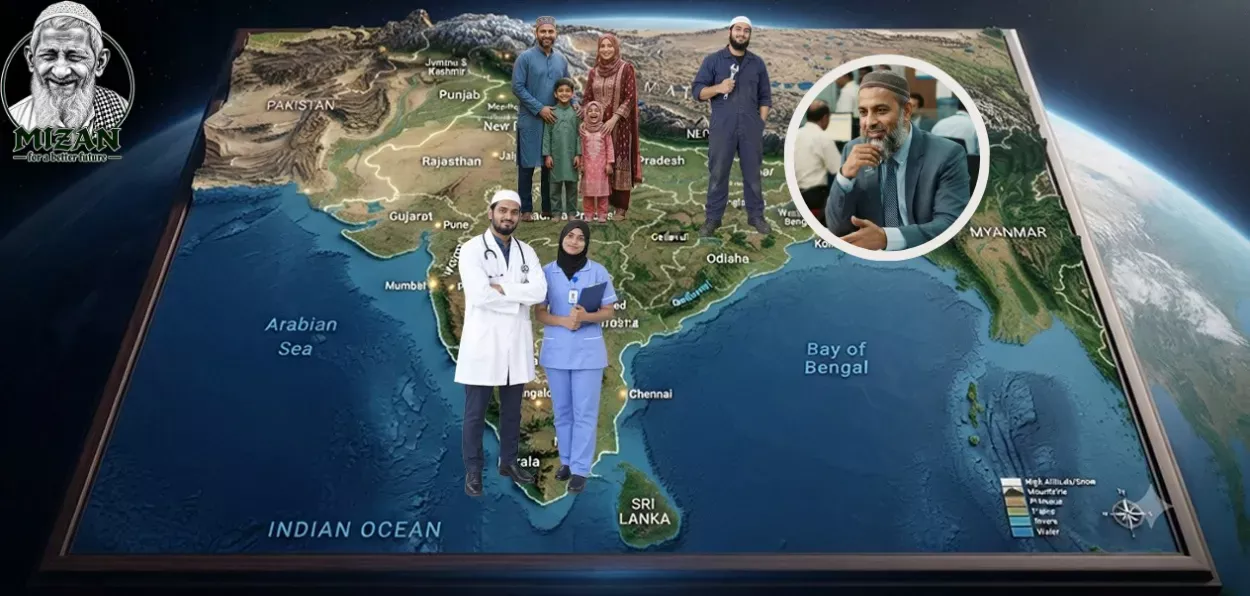
To develop a roadmap for progress, Indian Muslims must first understand India's unique character. Unlike many relatively homogeneous nations, India is a vast, multicultural, multilingual, and multi-religious civilisation.
It is a Union of States, each with its own language, culture, traditions, and social practices.
It is equally important to recognise that Urdu is not the language of all Indian Muslims. Nearly 45 per cent of Indian Muslims speak languages such as Tamil, Telugu, Assamese, Bengali, Malayalam, and others.
Therefore, a uniform, North India-centric or Urdu-centric approach cannot effectively address the diverse realities of Muslims across the country.
Any strategy aimed at enhancing the Muslim contribution to India's future must therefore be rooted in the principle of diversity.
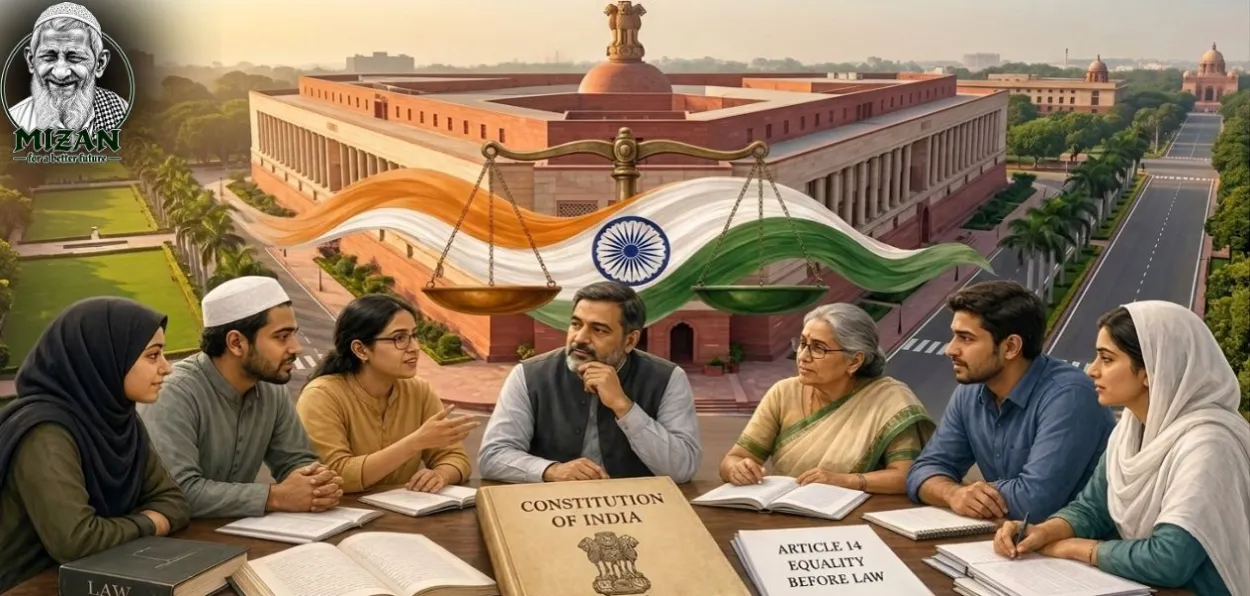
The Indian Constitution serves as both a guide and a guarantor of rights for all citizens, including Muslims. Alongside asserting their constitutional rights, Muslims must also understand and fulfil their constitutional duties.
Historically, Muslims either lived in Muslim-majority societies or as minorities in countries where they enjoyed limited rights. India presents a different reality.
The Constitution guarantees equality before the law and equal opportunities for all citizens. Indian Muslims are equal stakeholders in the nation's democratic system. Their role in India's future cannot be passive; it must be active, constructive, and guided by both Constitutional values and the principles of Shariah.
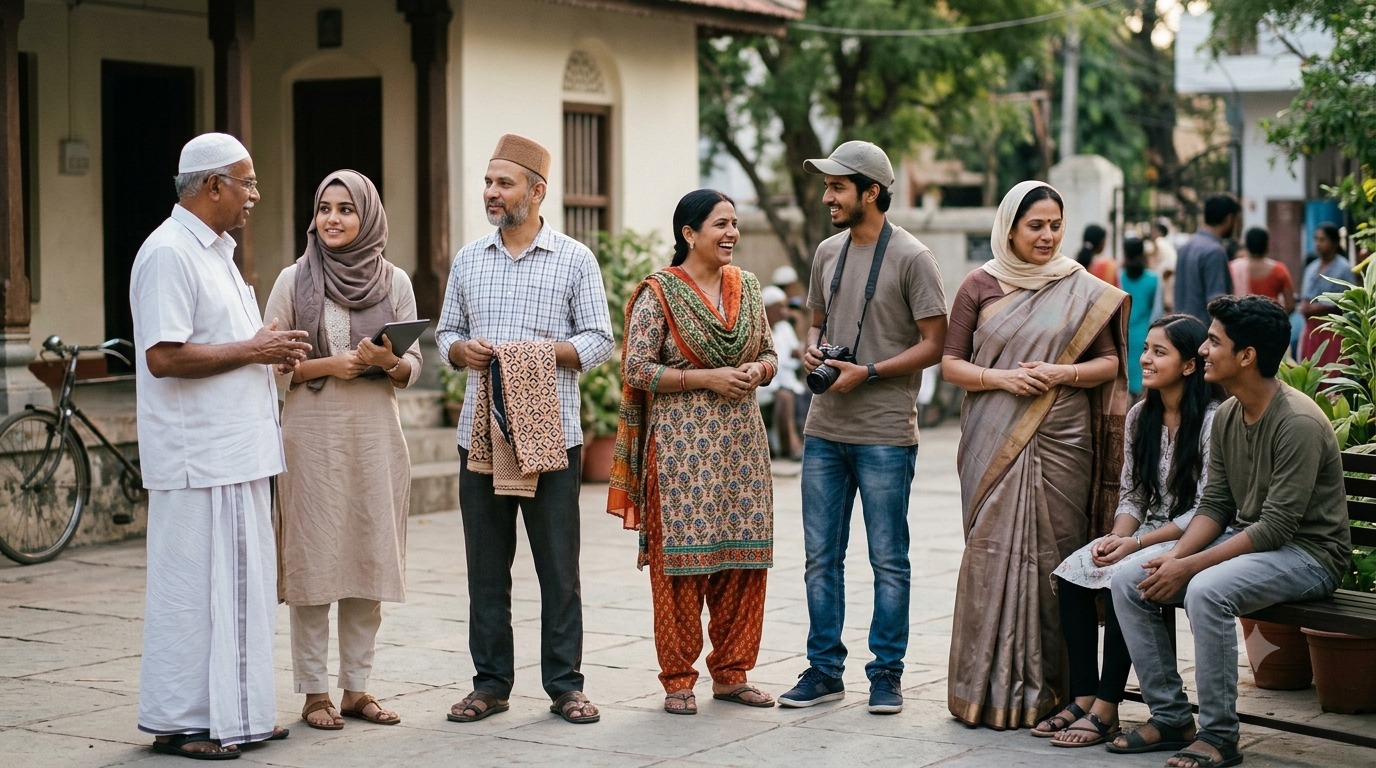
The Seerah of Prophet Muhammad provides valuable examples in this regard. The migration of Muslims to Abyssinia under the protection of the just ruler Najashi, the Charter of Medina that established coexistence and shared governance among diverse communities, and the Prophet's participation in and appreciation of the Treaty of Hilf-ul-Fudul, which upheld justice and protected the vulnerable, all offer lessons that remain relevant today.
In this context, the Ulema must be equipped not only with traditional Islamic jurisprudence (Fiqh) but also with a sound understanding of India's legal and constitutional framework. Such knowledge will enable them to provide informed guidance to the community.
A noteworthy example comes from Kerala, where the Markaz group has established a law college specifically for Madrasa graduates. Several batches of students have completed their education and are now actively engaged in Kerala's legal and judicial sectors. Similar initiatives should be encouraged across seminaries throughout India.
Contemporary scholarship, including Fiqh-ul-Aqalliyat (Jurisprudence for Muslim Minorities) and Maqasid al-Shariah (Objectives of Islamic Law), can provide valuable guidance in addressing issues such as the Uniform Civil Code and other contemporary challenges while enabling Muslims to play a more active role in national life.
Reforming Education
One of the most pressing needs is to overcome the existing dual education that separates religious and secular learning. A unified educational model integrating Islamic and modern disciplines would better prepare students for contemporary challenges while grounding them in their faith.
Such a system would empower learners to uphold Islamic values while acquiring the skills and knowledge necessary to thrive in today's world.
History offers many examples of integrated learning. During the Mughal era, scholars, architects, administrators, and military leaders often received foundational education in the same institutions before specialising in their respective fields.
Similarly, Fatima al-Fihri founded the University of Al-Qarawiyyin in Tunisia, where Islamic studies were taught alongside geography, astronomy, medicine, and other sciences. Renowned scholars such as Ibn Khaldun and Ibn Rushd emerged from this tradition, while students from Europe also studied there and went on to achieve distinction.
Arabic, which has gained increasing global significance, should be taught as a living language rather than merely as a liturgical subject. This would enable Muslims to engage directly with the Quran, Hadith, and classical Islamic literature. A successful model in this regard is Durus al-Lughat al-Arabiyyah li Ghair al-Natiqin Biha by Dr V. Abdur Rahim of the Islamic University of Madinah.
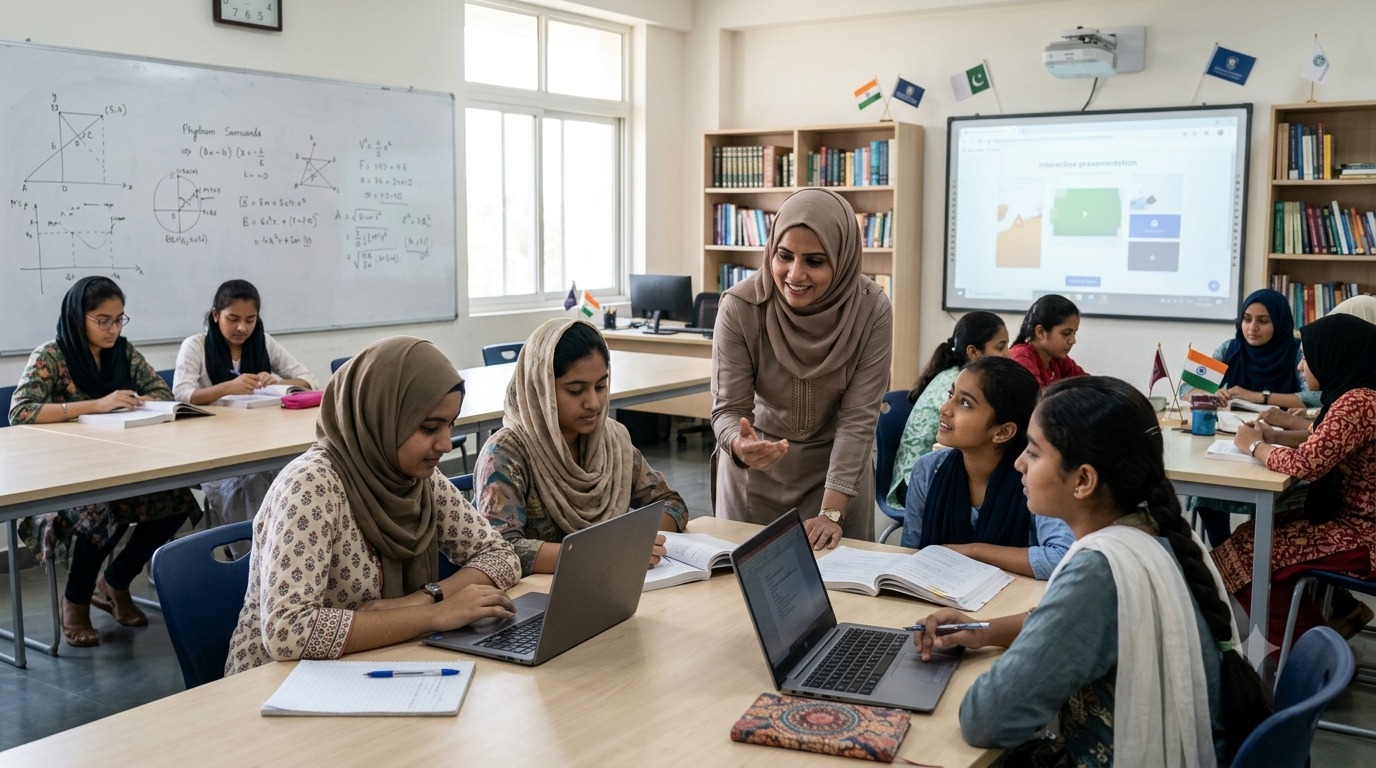
Alongside Arabic, proficiency in English—both spoken and written—should be considered essential. Knowledge of regional languages, as well as Sanskrit and Pali, can also foster greater understanding of India's civilizational heritage, religious traditions, and cultural diversity. Languages should serve as bridges that strengthen social harmony and mutual respect.
Modern economic systems have often produced islands of prosperity amidst vast oceans of poverty. While global wealth has multiplied over the past century, poverty and inequality have persisted.
Several studies indicate that Indian Muslims remain among the country's most economically disadvantaged communities. Reports have consistently shown lower asset ownership, lower consumption levels, and higher poverty rates compared to many other groups.
Data from the National Council of Applied Economic Research indicate that approximately 31 per cent of Indian Muslims live below the poverty line, compared to 26 per cent among other backward communities. Studies by economists and social scientists, including findings reflected in the Sachar Committee Report, have revealed significant educational and employment deficits within the community.
Addressing these challenges requires a comprehensive economic strategy.
Creation of Wealth
Muslim societies have not sufficiently focused on wealth creation during the past several centuries. The community must recognise and encourage wealth creators. Wealth cannot be distributed unless it is first created, and poverty cannot be eliminated without economic growth. Creating wealth is not a sin; rather, it is a responsibility when accompanied by ethical conduct, social responsibility, and equitable distribution.
Entrepreneurship
Islam has a rich tradition of entrepreneurship. The Quran and Sunnah encourage initiative, innovation, productive enterprise, and responsible risk-taking. Muslim men and women should be encouraged to pursue entrepreneurship and business leadership.
Special attention should be given to skilled artisans, craftsmen, and small entrepreneurs from lower and middle-income backgrounds. Investors and philanthropists can support such enterprises through participatory financial models like Mudarabah and Musharakah. Government initiatives designed to promote entrepreneurship should also be fully utilised.
Finance and Investment
Approximately 20 per cent of the companies listed on India's stock exchanges are considered Shariah-compliant. Yet many Muslims avoid productive investments due to limited financial literacy, while others fall victim to fraudulent schemes and Ponzi operations.
There is a pressing need to create awareness about ethical investment opportunities and Shariah-compliant financial instruments. Other communities have successfully benefited from such opportunities, and Muslims should do likewise.
Efforts to introduce participatory, interest-free financial systems and Takaful (Islamic cooperative insurance) should be encouraged. Similarly, successful institutions such as Cheraman Financial Services and Alternative Investments & Credit Limited (AICL) in Kerala can serve as models for replication in other regions.
Credit societies operating under state and multi-state cooperative frameworks, including Sahulat, Janseva, Sanghamam, and Khidmat, have demonstrated the potential of community-based finance. Similar institutions should be established nationwide to support microfinance and economic inclusion.
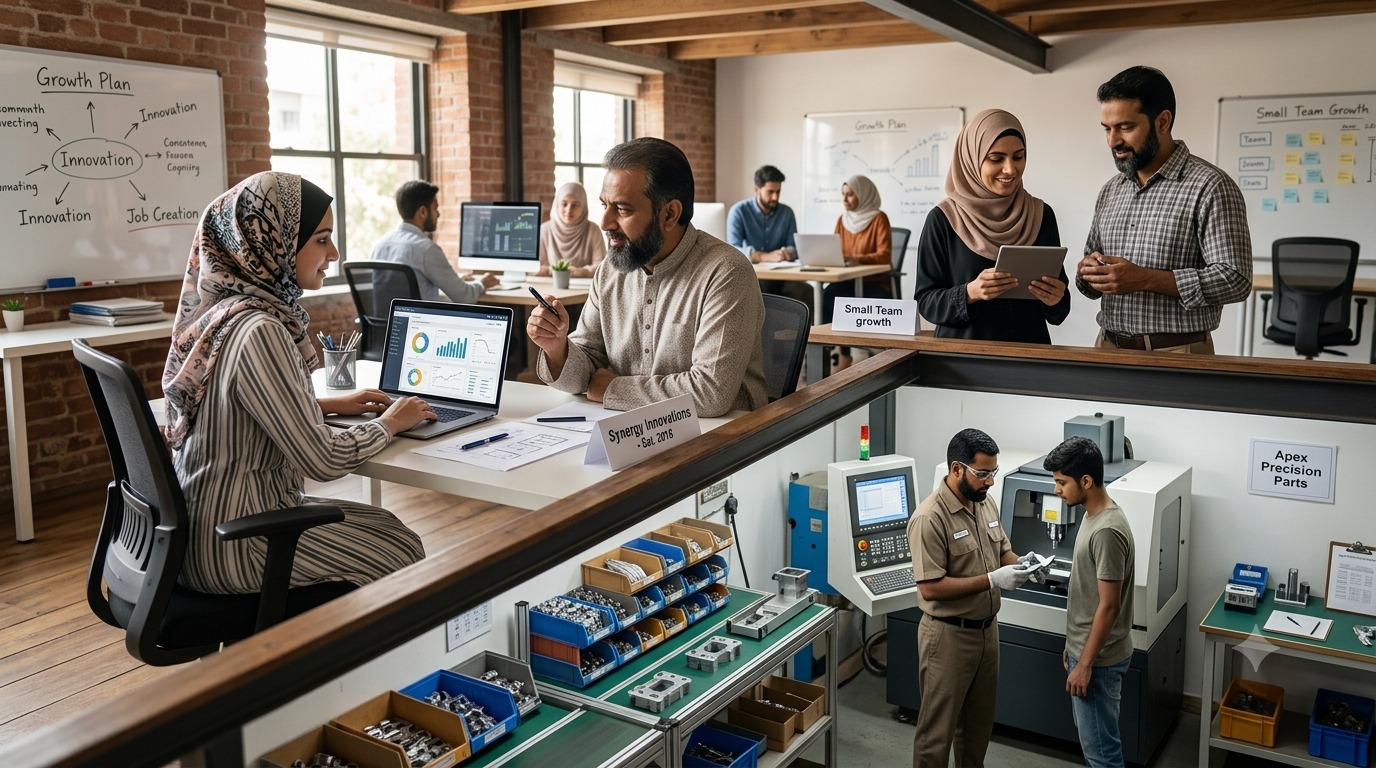
India's rapid economic growth has also attracted interest from sovereign wealth funds and Non-Resident Indian investors. The community should actively explore these opportunities.
The Role of Muslim Women
Various studies suggest that Muslim women face significant challenges in education, employment, and social mobility. In several indicators, the gender gap within the Muslim community remains among the highest in the country.
Muslim women often experience a double disadvantage—first as women and second as members of a socio-economically marginalised minority community.
Empowering women through education, economic participation, leadership development, and civic engagement should therefore be a central component of any community development strategy.
A Collective System of Zakat
Zakat is one of the five pillars of Islam and serves as a powerful instrument of social justice and economic redistribution.
Yet surveys suggest that many Muslims lack awareness about the principles and calculation of Zakat. While individual charity remains common, a structured and collective approach to Zakat management remains underdeveloped.
During the lifetime of the Prophet Muhammad and the period of the rightly guided Caliphs, Zakat was administered collectively, contributing significantly to social welfare and poverty alleviation. Historical accounts even mention instances where Zakat funds benefited non-Muslims in need.
Contemporary examples from Malaysia, Bangladesh, and South Africa demonstrate how organised Zakat institutions can make a substantial impact. South Africa's National Zakat Foundation (SANZAF), for example, has played an important role in community development and social welfare. Indians should set up such foundations.
Promoting Simplicity and Human Resource Development
While a significant section of the Muslim population continues to struggle economically, extravagant spending on weddings, repeated Umrah pilgrimages, and lavish social functions has become increasingly common. Scholars and community leaders should encourage simplicity, moderation, and responsible spending.
Islam emphasises modest marriages and discourages extravagance. Resources that might otherwise be spent on excessive consumption could instead be directed toward education, healthcare, skill development, and poverty alleviation.
Similarly, rather than focusing primarily on large physical infrastructure projects, greater emphasis should be placed on human resource development. Investing in people yields far greater long-term returns than investing solely in buildings.
India is one of the youngest nations in the world, with nearly 65 per cent of its population below the age of 35. Muslim youth form an important part of this demographic dividend. Strategic planning is therefore essential to ensure quality education, healthcare, employment opportunities, entrepreneurship, and dignified livelihoods for the next generation.
ALSO READ: Why must the Muslim way of life be streamlined with constitutional values?
The future of Indian Muslims—and indeed India's future itself—depends on how effectively these opportunities are recognised and utilised.
H Abdur Raqeeb is the General Secretary of Indian Center for Islamic Finance, New Delhi