Aasha Khosa
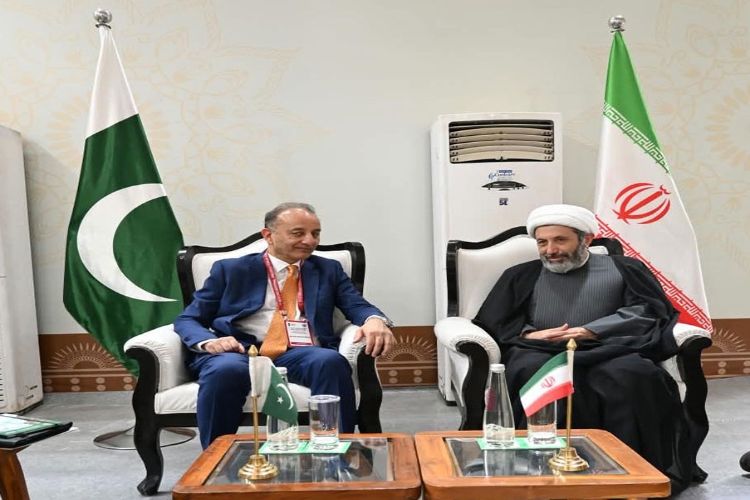
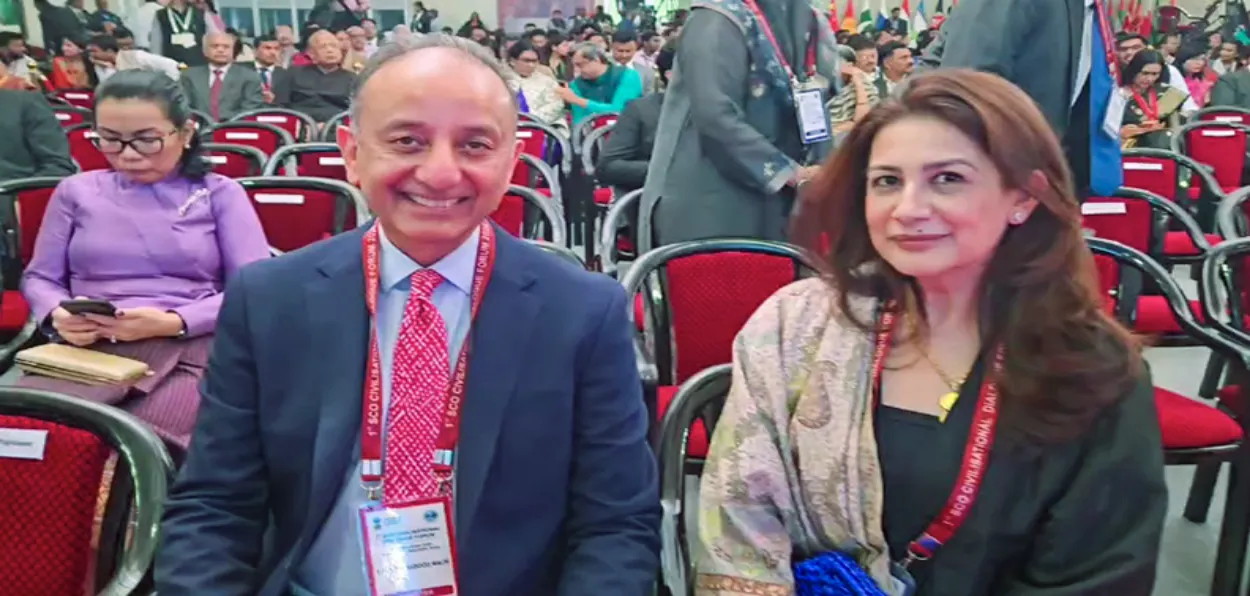
Pakistan’s Climate Change Minister Musadik Masood Malik’s visit to New Delhi to attend the Shanghai Cooperation Organisation (SCO) Civilisational Dialogue Forum does not signal a thaw in bilateral relations between India and Pakistan. However, it may have helped prevent further complications in the already troubled relationship between the two South Asian neighbours.
Malik, who has previously used harsh language against India and was labeled as “the harshest anti-India voice in Pakistan government”, adopted a relatively soft demeanour and a conciliatory tone during his visit. His approach helped ensure that the engagement did not exacerbate tensions between the two countries.
It is important to note that Malik is the first Pakistani minister to visit India since Operation Sindoor. Before him, Pakistan’s then Foreign Minister Bilawal Bhutto Zardari had attended an SCO meeting in Goa in May 2023.
New Delhi described the invitation extended to Malik as procedural and said that the hospitality offered to him was no different from that extended to other participants. Nevertheless, the bonhomie between the visiting dignitary and his Indian counterparts did not go unnoticed. Malik was seen sharing the lunch table with Union Minister Gajendra Singh Shekhawat.
His remarks at the conference focused on shared history, cultural values and civilisational connections rather than conflict. Responding to inquisitive Indian journalists, he said, “Hum aatey jaatey raheinge” (we will keep visiting each other). His remark was in stark contrast to the prevailing hostility in bilateral relations and reflected a willingness to keep channels of engagement open.
Speaking to media, Musadik Masood Malik expresses optimism about improving India-Pakistan relations at the first SCO Civilisational Dialogue Forum in Delhi.
Imagine inviting a Pakistani minister to the SCO Civilisational forum and showcasing Kashmiri culture as Indian culture to him. So brutal @MEAIndia but I am totally loving it 😹😍 https://t.co/IEaxte2uRY
— Monica Verma (@TrulyMonica) November 20, 2026
Calling the gathering a tremendous opportunity for multilateral dialogue, Malik highlights shared history, geography and civilisational connections among participating nations. His remarks come amid ongoing tensions between the two neighbouring countries.
Pakistan is scheduled to host the SCO leaders’ summit in Islamabad in 2027. Its participation in SCO engagements, including ministerial and other multilateral meetings, is therefore also part of its routine obligations as a member of the organisation.
Pakistan’s media largely presented Malik’s visit as a positive sign for India-Pakistan relations, reporting his speeches and interactions from a Pakistani perspective.
Responding to inquisitive Indian journalists, he said, “Hum aatey jaatey raheinge” (we will keep visiting each other). His remark was in stark contrast to the prevailing hostility in bilateral relations and reflected a willingness to keep channels of engagement open.
The visit also comes against the backdrop of a limited relaxation in India's visa and travel-document rules for certain categories of Pakistani nationals and migrants from neighbouring countries.
Earlier this month, the Ministry of Home Affairs issued an order dated November 5, 2026, providing exemptions from passport-renewal requirements to certain Pakistani nationals who had entered India on or before December 31, 2009, with the intention of settling permanently but were unable to renew their passports because they did not possess a Computerised National Identity Card (CNIC) issued by Pakistan. The exemption is subject to specified conditions, including the absence of property or marriage ties in Pakistan and an undertaking not to return there.
The relaxation could benefit several Pakistanis who faced deportation following the April 2025 terrorist attack in Pahalgam, in which 22 Indians were killed.
The order also provides travel-document and passport-related exemptions to Hindu, Sikh, Buddhist, Jain, Parsi and Christian migrants from Pakistan, Afghanistan and Bangladesh who entered India on or before December 31, 2024, due to religious persecution, subject to the prescribed conditions and possession of the required visas.
Other categories covered by the exemptions include certain Muslim men who were originally Indian citizens, migrated to Pakistan after Partition between August 15, 1947, and December 31, 1965, and returned to India on or before December 31, 2009.
Pakistan is scheduled to host the SCO leaders’ summit in Islamabad in 2027. Its participation in SCO engagements, including ministerial and other multilateral meetings, is therefore also part of its routine obligations as a member of the organisation.
ALSO READ: After 37 years, Kashmir turns a page as the last terrorist falls
Back home, for Malik, Pakistan’s media largely presented his visit as a positive sign for India-Pakistan relations, reporting his speeches and interactions from a Pakistani perspective.