

Daulat Rahman/Guwahati
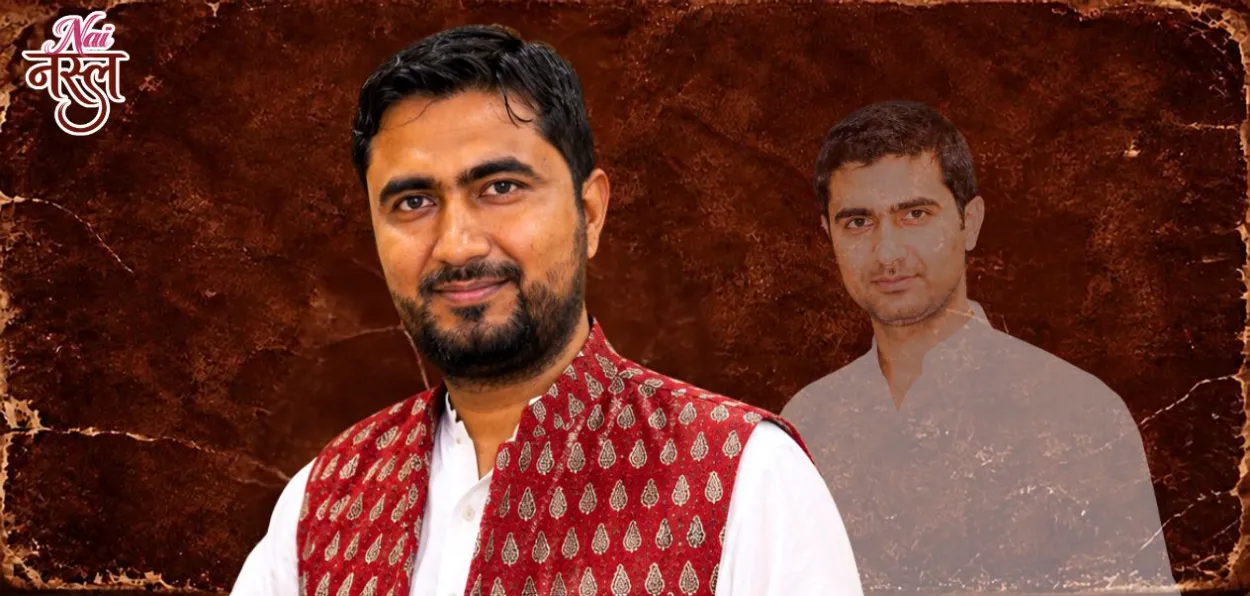
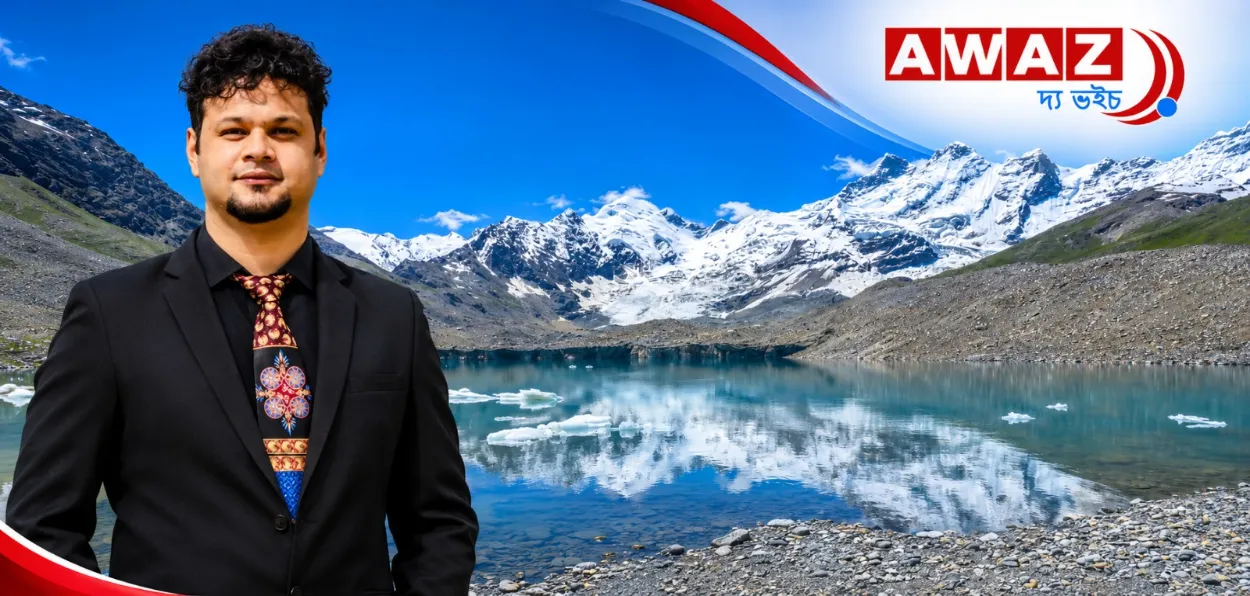
Assam-born scientist Dr Ashim Sattar has been named among 100 Indians whose work is shaping the country's future in TIME magazine's inaugural TIME100 Next India list, in recognition of his pioneering research on Himalayan glaciers and their impact on climate change.
Dr Sattar, 35, features on the list unveiled on November 19, 2026, for his work on understanding the destructive potential of melting glaciers, identifying disaster risks before they materialise and developing ways to protect vulnerable mountain communities.
The prestigious list recognises 100 emerging Indians whose achievements and vision are influencing the country's future across science, technology, arts, business, healthcare, advocacy and other fields.
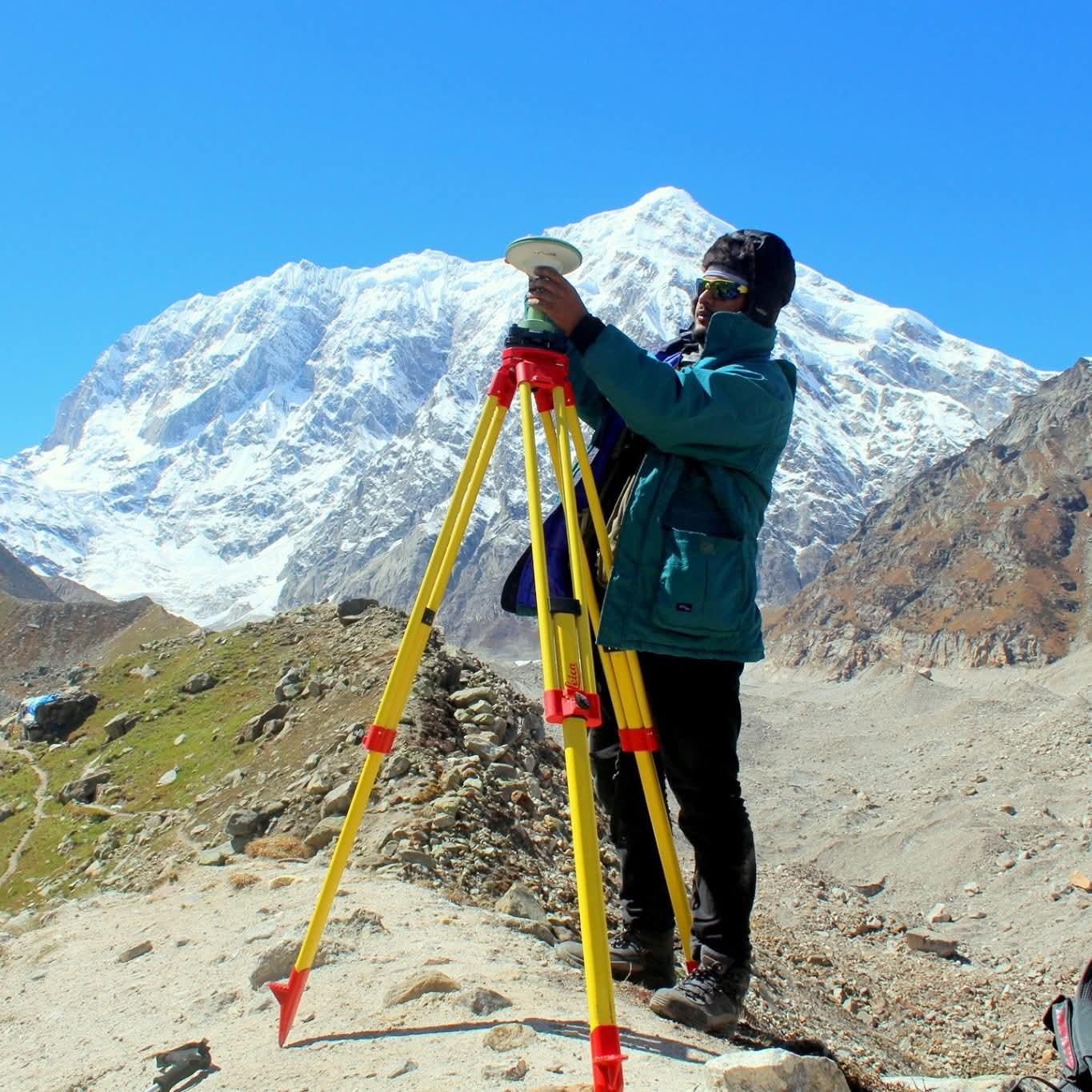
One of Dr Sattar's most significant contributions has been his research on South Lhonak Lake in Sikkim, where he had flagged the possibility of a devastating glacial lake outburst flood (GLOF) years before the catastrophic floods of October 2023.
His research helped unravel the complex chain of events that turned a remote Himalayan glacial lake into the source of widespread destruction downstream. A subsequent study, conducted with an international team of scientists and published in the prestigious journal Science, offered crucial insights into the disaster and the growing risks facing Himalayan settlements, infrastructure and hydropower projects.
“I’m honoured to be on the inaugural TIME100 Next India list,” Dr Sattar told Awaz-The Voice in an exclusive interview.
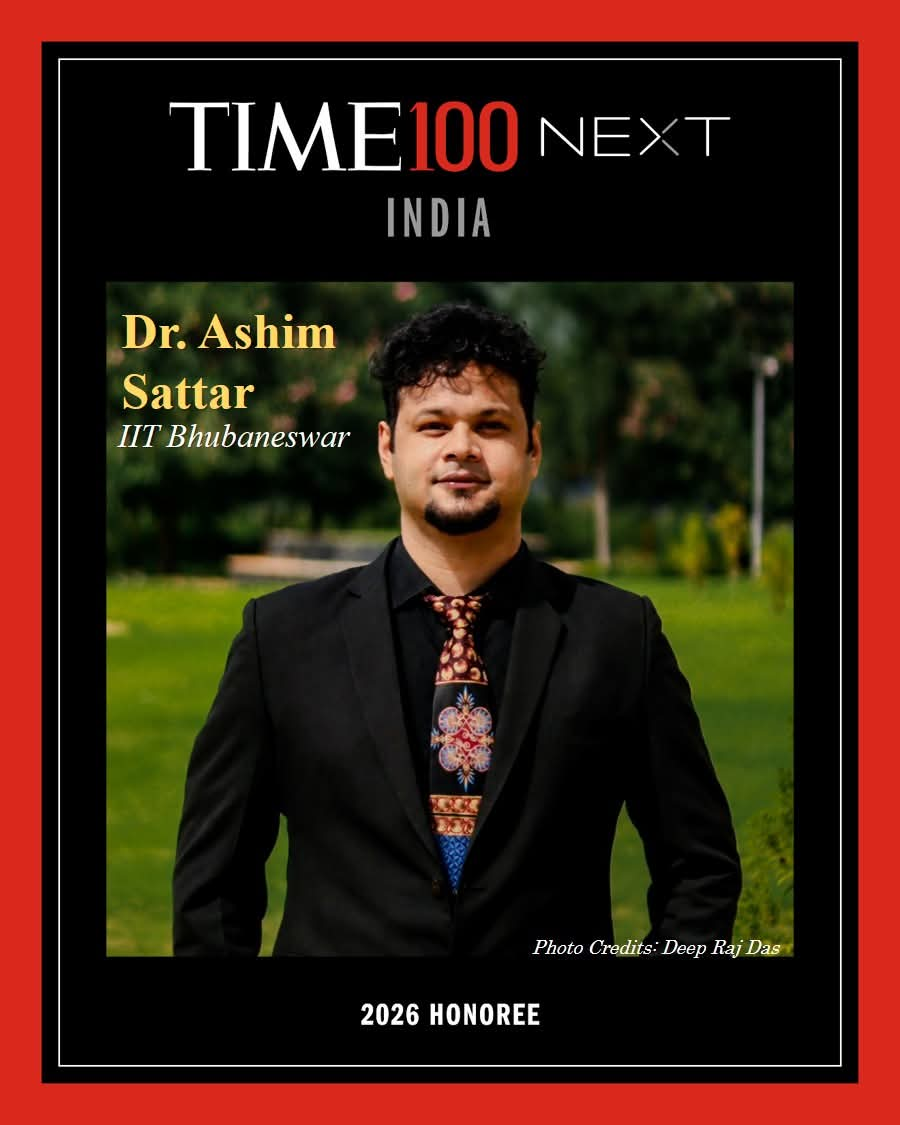
“I believe I’m on it for my research on glacial lake outburst floods in the Himalaya, and I’m glad that years of work on GLOF research is being noticed on a global platform,” he said.
The son of Abdus Sattar, a retired Assam Police official, and Lutfar Rahman, a former teacher, Dr Sattar completed his schooling in Guwahati before earning his doctorate from the Indian Institute of Technology (IIT) Roorkee in 2019.
He subsequently undertook postdoctoral research at the University of Dayton in the United States and the University of Zurich in Switzerland. He also served as a Department of Science and Technology (DST) INSPIRE Faculty member at the Indian Institute of Science (IISc), Bengaluru. He is currently an Assistant Professor at IIT Bhubaneswar in Odisha.
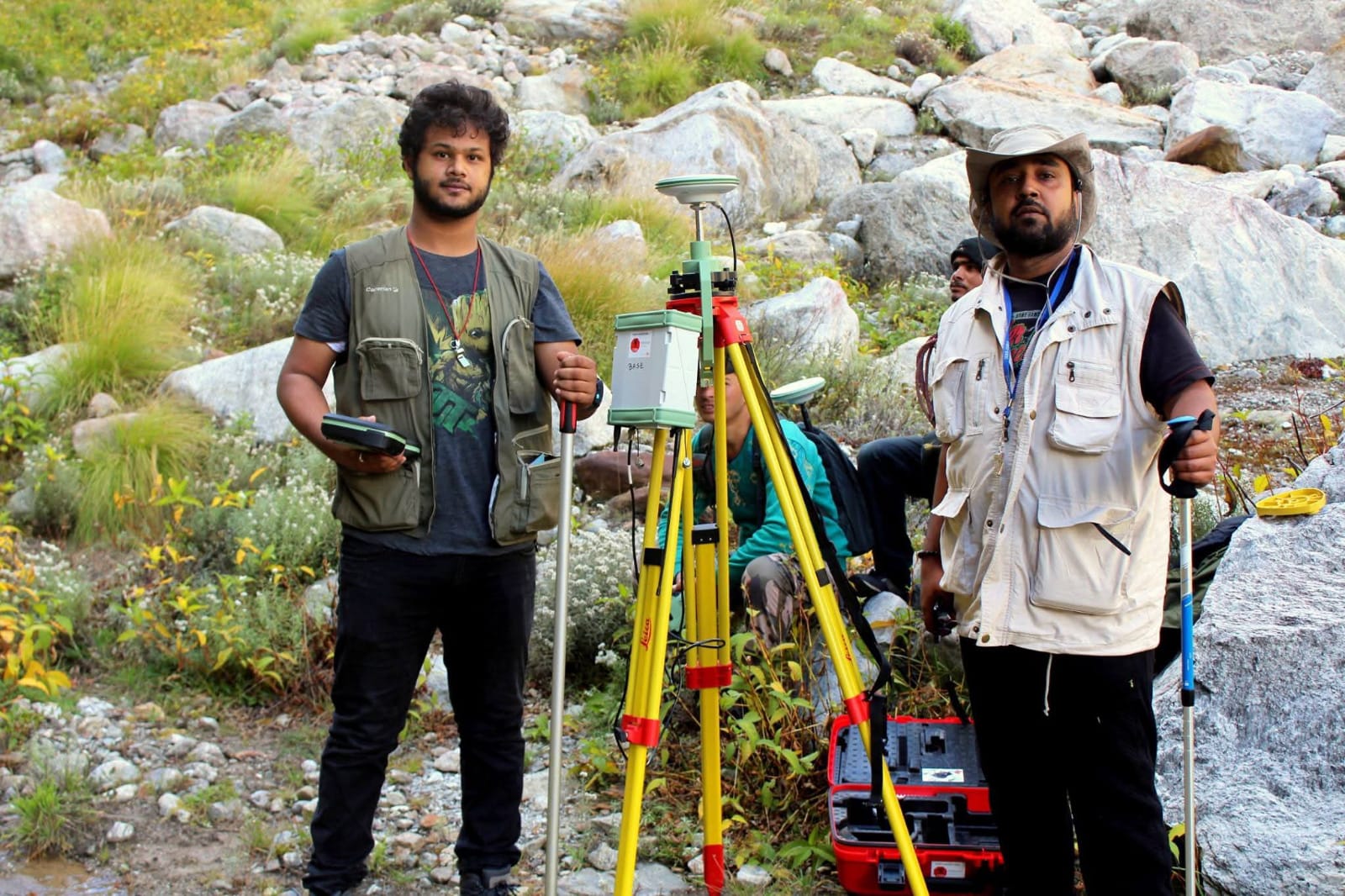
At IIT Bhubaneswar, he founded the Cryosense Lab, a research initiative dedicated to studying glacier-related hazards, vulnerability and disaster risks. The laboratory brings together researchers to investigate how changing mountain environments affect communities, roads, hydropower installations and other critical infrastructure.
Dr Sattar's research extends beyond the Himalayas to the Andes, Iceland and Central Asia. His areas of study include glacial lake outburst floods, permafrost degradation and other glacier-related hazards.
A particular focus of his work is understanding how mass movements, including landslides and rock-ice avalanches, can trigger a chain of catastrophic events in high-altitude mountain environments.
“I am especially interested in how mass movements shape these events, and in their effects on hydropower, infrastructure, communities and across borders,” he explained.
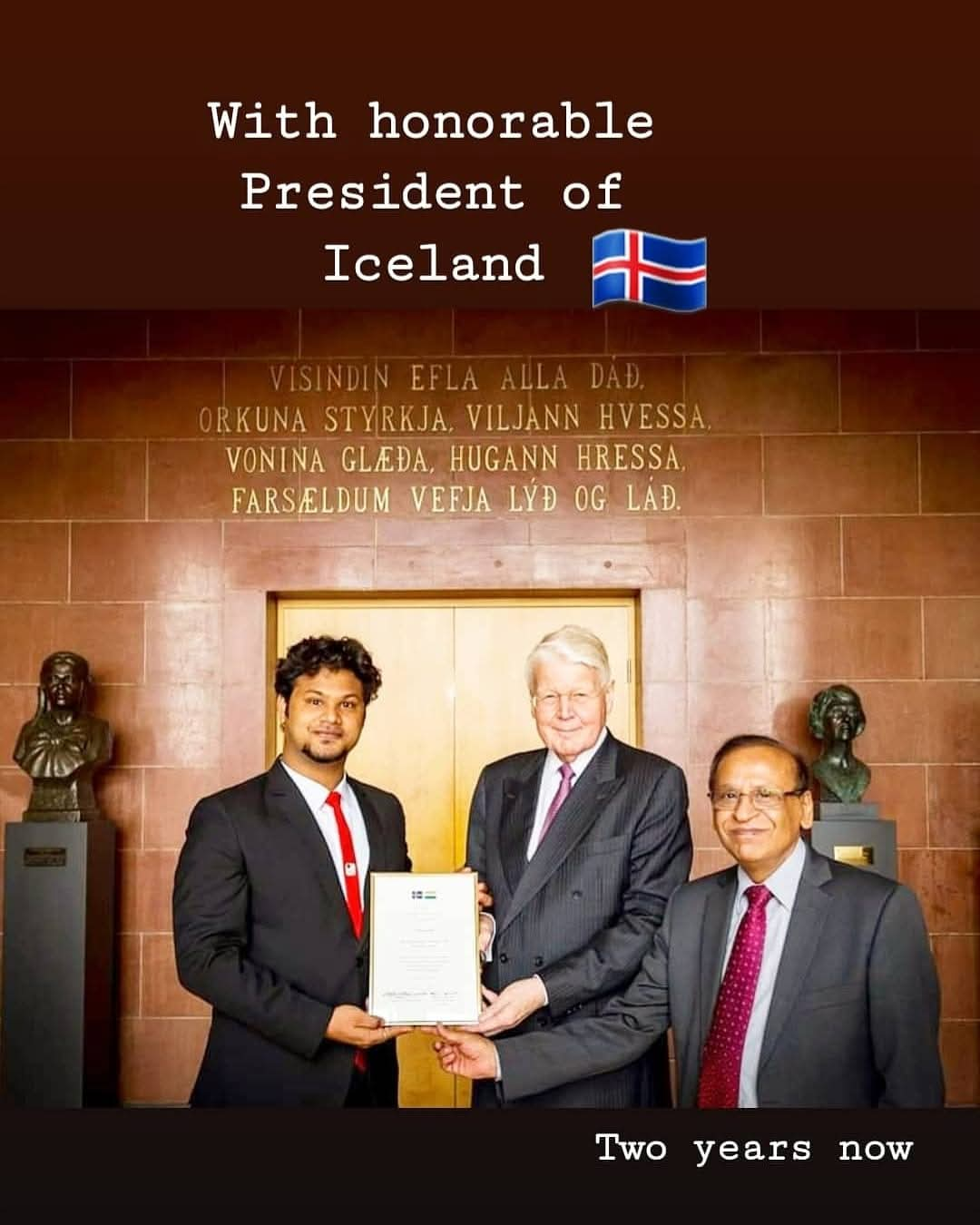
His research also involves close engagement with mountain communities, policymakers and other stakeholders whose decisions can play a crucial role in reducing disaster risks.
“Our team carried out extensive research on the October 2023 South Lhonak Lake event in Sikkim and published it in Science,” Dr Sattar said.
The findings have wider implications for understanding similar hazards across the Himalayas, where shrinking glaciers, expanding glacial lakes and increasingly unstable mountain slopes pose growing challenges.
For Dr Sattar, climate change is not merely about rising temperatures or disappearing ice. It is also transforming the physical stability of some of the world's highest mountains.
One of his major concerns is the degradation of permafrost — ground that remains frozen for prolonged periods and helps maintain the stability of mountain slopes.
As temperatures rise, this frozen ground can weaken, increasing the likelihood of slope failures, landslides and avalanches. Such movements can hit glacial lakes, displace enormous quantities of water and unleash devastating floods.
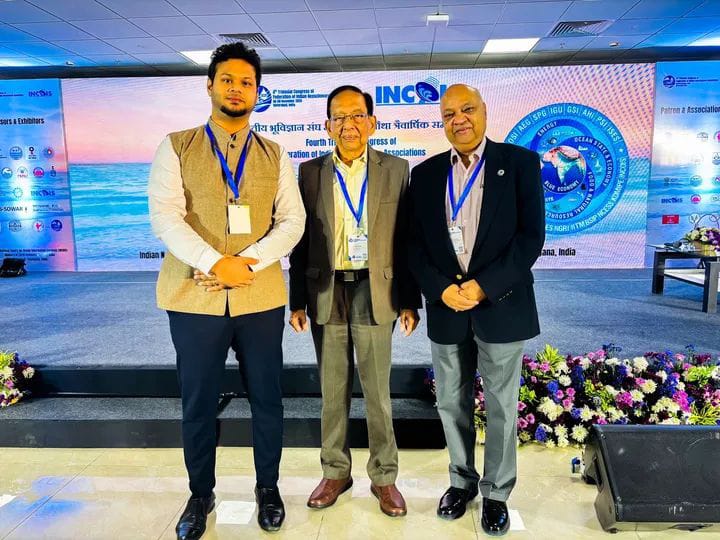
“My work is on how a warming climate changes the high mountains, mainly through glaciers, glacial lakes and permafrost,” he explained.
“Climate change is leading to changes in permafrost temperatures, which raises the risk of slope failures that can trigger avalanches or GLOFs in the high mountains.”
These threats are particularly serious in the Himalayas, where fragile mountain ecosystems coexist with growing populations, expanding infrastructure and ambitious hydropower projects.
Dr Sattar pointed out that his warnings about the risks associated with South Lhonak Lake had been documented years before the 2023 disaster. His work, however, is about scientifically assessing hazards and identifying potential risks rather than claiming to predict the precise timing of natural catastrophes.
The TIME100 Next India recognition is not his only major achievement in 2026. Earlier this year, he received the prestigious Early Career Scientist Award from the International Centre for Integrated Mountain Development (ICIMOD) for his contributions to cryosphere research. The award is presented annually to an outstanding early-career scientist from the Hindu Kush Himalayan region.
For Dr Sattar, the honour is particularly meaningful because ICIMOD works closely with the mountain communities most directly affected by environmental changes.
“It is a regional award, given once a year to early-career scientists from the Hindu Kush Himalaya, and it means a lot to me because it comes from the institution that works most closely with mountain communities in the region,” he said.
“I see both of these as recognition of GLOF research that connects science, policy, and practice, and I’m grateful to my students and collaborators who made that work possible,” he added.
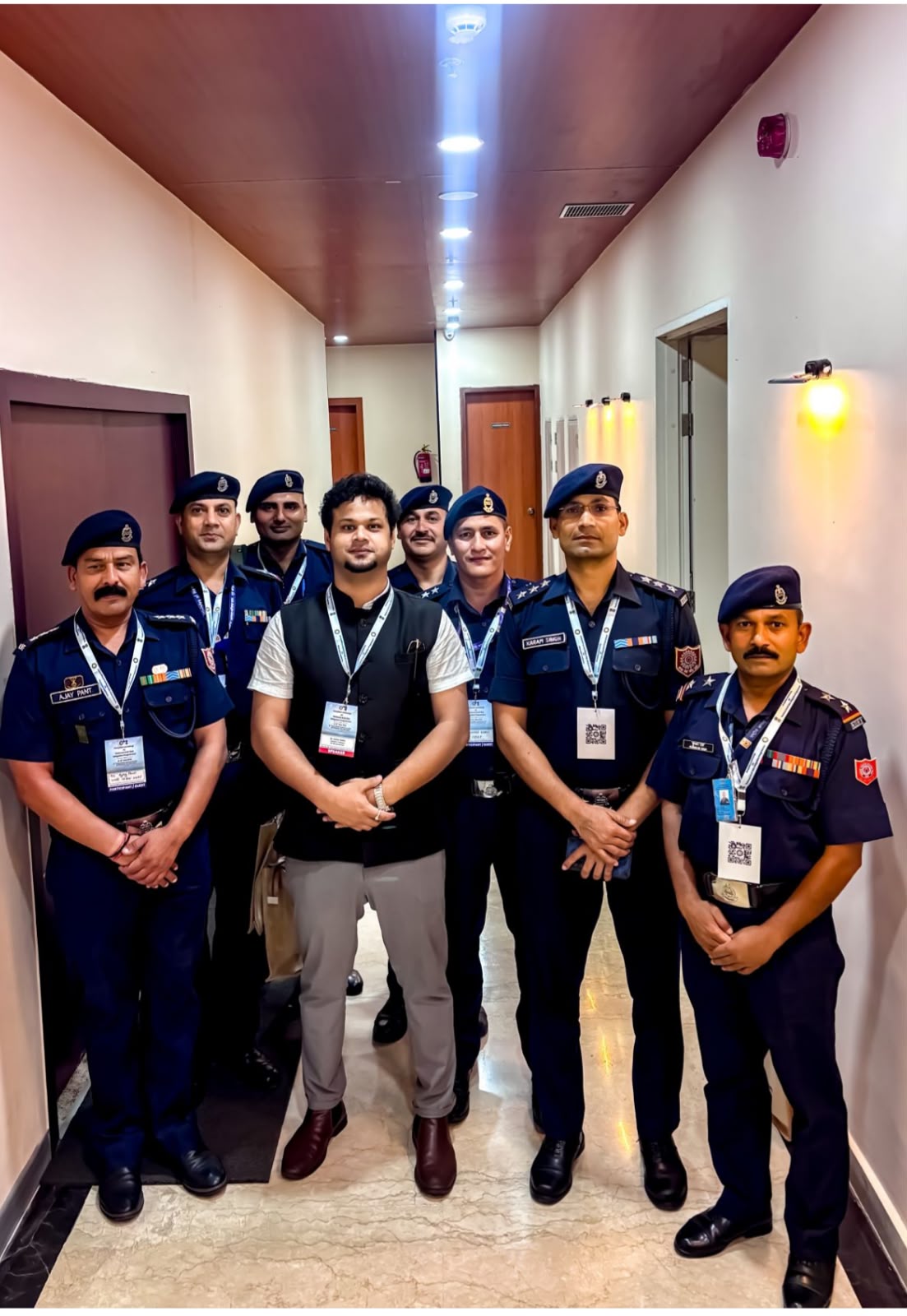
Dr Sattar's expertise is increasingly being sought by institutions and scientific bodies working to protect vulnerable mountain regions.
He is a member of the Sikkim Commission on Glacial Hazards, a 13-member body established by the state government to assess vulnerable glacial lakes and recommend measures to reduce glacial hazards.
He is also an expert member of Glacier and Permafrost Hazards in Mountains (GAPHAZ), a scientific standing group associated with the International Association of Cryospheric Sciences and the International Permafrost Association.
His team is currently studying the Dharali disaster in Uttarakhand in 2025, as well as the Rasuwa events in Nepal in 2025 and 2026. The researchers have also published studies on permafrost degradation in Himachal Pradesh, an emerging concern as rising temperatures alter the stability of high-altitude terrain.
In India, Dr Sattar's research on glacial lake outburst floods covers Himachal Pradesh, Uttarakhand, Kashmir, Ladakh, Sikkim and Arunachal Pradesh.
By studying hazards across different mountain regions, Dr Sattar and his collaborators are building a broader understanding of the processes that can trigger catastrophic floods and other high-altitude emergencies.
ALSO READ: Ammara Chougule uses media to keep her Konkani roots alive
For him, the ultimate objective is not simply to document disasters after they occur but to generate scientific knowledge that can help anticipate risks, strengthen preparedness and reduce future losses.