Kolkata
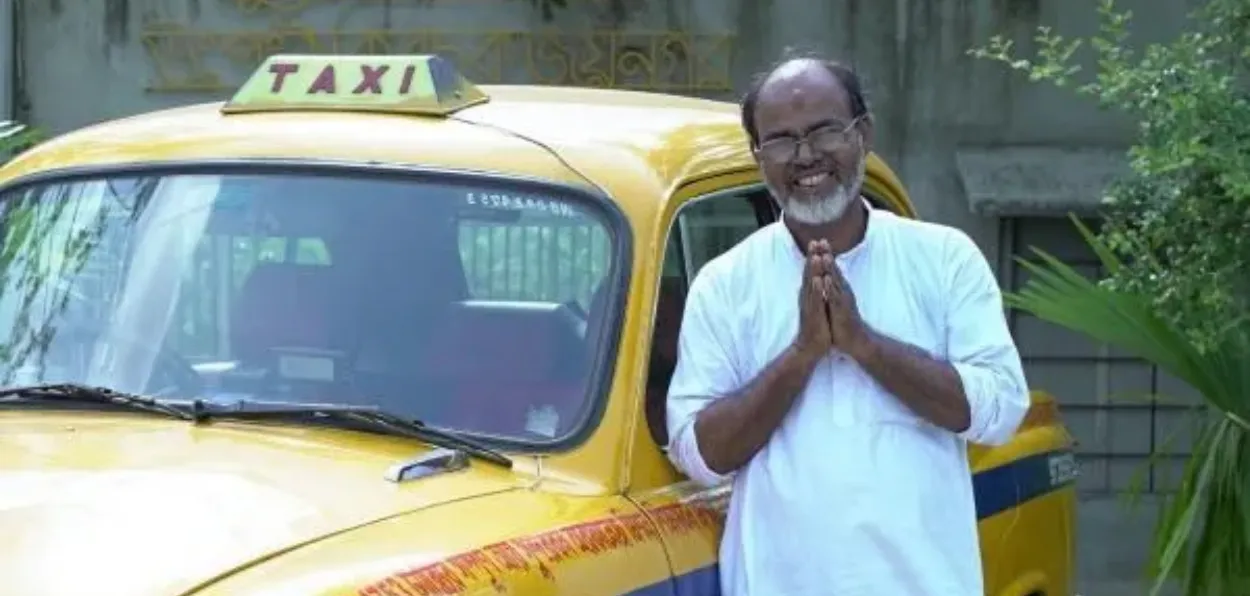
Gazi Jalaluddin could not receive an education himself because of poverty. But he dreamt of ensuring that no other child would be deprived of education for want of money. A taxi driver by profession, he turned this dream into reality by establishing three schools in the Sunderbans for the underprivileged children.
After his death in January, his sons, Israfil and Ismail Ghazi, have taken up the responsibility of keeping their father’s mission alive.
Both face immense financial constraints and yet manage the educational institutions, determined to carr on their father’s mission that poverty must not be allowed to hamper education. Their family's journey is a story of commitment to a cause that goes beyond personal circumstances.
Jalaluddin drove a taxi in central Kolkata, and yet he dreamt big. He founded three schools – two near the Sundarbans and one in Narendrapur.
He won Rs 25 lakh in Kaun Banega Crorepati (KBC) and with the money planned to start a college for the underprivileged at Uttar Purba Thakurchak village in South 24.
 Gaji Jalaluddin with Amir Khan and Amitabh Bachcchan at the set of KBC
His son Israfil passed his Class XII examination in 1999 and joined his father in running a free primary school in 2000. He later completed an MA in Bengali, becoming the first member of the family to pursue higher education.
The family initially established a school at their ancestral home in Thakur Chak, naming it Ismailpur Iron Foundation Primary School (IIFP).
In 2006, while travelling in Jalaluddin's taxi, he met two social workers, Ajit Kumar Saha and Dipankar Ghosh. After visiting the school, the two decided to support the initiative. They purchased a plot of land about two kilometres from the original school and donated it to the institution. They also constructed a building there, where classes began in 2009.
The new institution was named Sundarban Shikshayatan. It currently has 134 students from nursery to Class V and eight teachers.
Today, a society named Sundarban Shikshayatan manages the institution. Jalaluddin served as its founder secretary, while Ajit Kumar Saha as the president and Dipankar Ghosh the vice-president.
In 2019, the management was legally handed to the family. The legal deed stipulated that the institution would continue providing free education to children.
 Gazi Jalaluddin distributing prizes at his school
Both schools are now managed under separate trusts. Israfil said that difficulties in the annual renewal of the earlier society and the auditing of its accounts prompted him to establish the Sundarban Shikshayatan Trust on November 3, 2023.
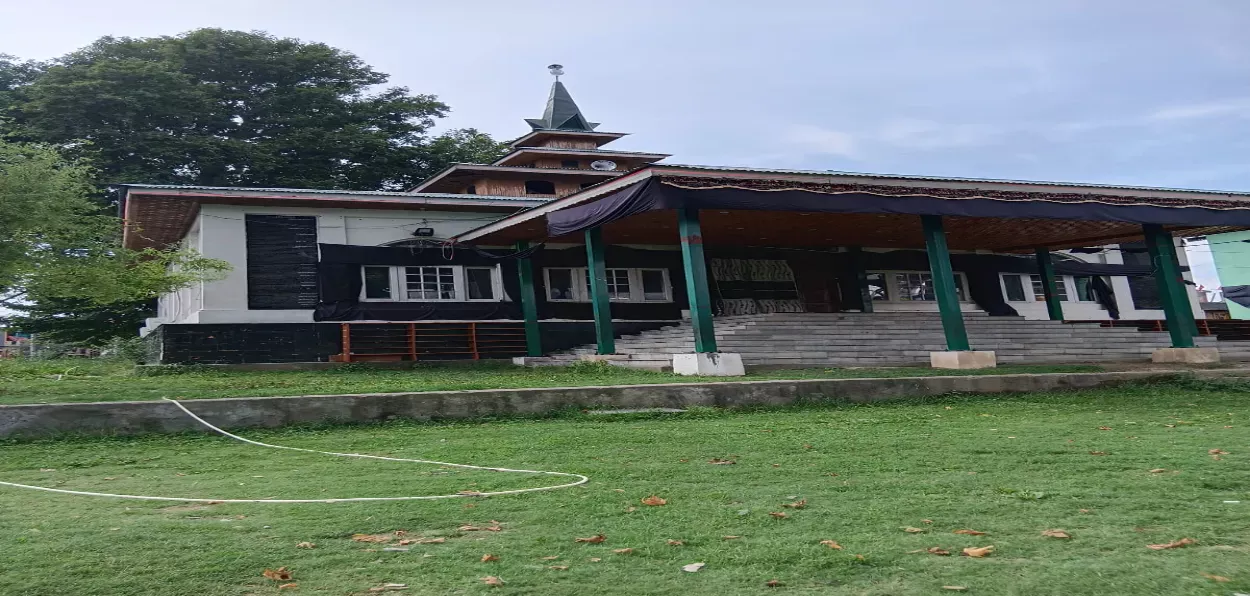
IIFP operates from three rooms on the first floor of the family's ancestral house, while the family lives on the ground floor. It provides education up to Class IV and has 95 students and five teachers. However, it has not received government recognition because it lacks adequate open space for children to play. Sundarban Shikshayatan, located about five kilometres away, has the open space required under government norms for schools.
The schools depend largely on public contributions, and the teachers receive modest honorariums instead of regular salaries. For many years, Jalaluddin's taxi was the principal source of funds. While ferrying passengers around Kolkata, he would appeal to them and others for donations. The money helped meet expenses, including teachers' honorariums and midday meals for the children.
Since his death, his sons have struggled to maintain the flow of donations and stay in touch with benefactors.
Israfil said his father used to collect contributions from taxi passengers, a practice his elder brother has now taken over. However, donations are no longer as regular as they once were. He believes the schools need support from both the government and the public to survive.
The midday meal facility, which was earlier supported through donations, has now been discontinued. Teachers, too, receive only a small honorarium, which Israfil says can hardly be described as a regular salary.
 A Class room in the school
Most students come from economically disadvantaged families. Their fathers work as rickshaw pullers, tailors or in other small occupations. An annual fee of around Rs 2,700 is fixed at the time of admission, but parents are allowed to pay it in installments according to their convenience.
Israfil said that although government schools are located nearby, many lack basic facilities and adequate teaching staff.
When the news agency visited Sundarban Shikshayatan, students were busy taking their fine arts examinations. The school has six classrooms and a separate room for teachers. Its green, open campus has swings, a library and a facility for clean drinking water. In comparison, IIFP has only four classrooms, while its rooftop is used for cultural activities.
Like his father, Ismail Ghazi continues to drive a taxi in Kolkata, collecting donations from passengers to support the educational institutions. He also supervises a school in Narendrapur, where classes are held from Class I to IV.
Ismail said his responsibility includes collecting whatever contributions he can from taxi passengers and taking the money to the schools. He appealed to people to help the institutions with books and arrangements for midday meals so that the children could continue their studies in better conditions.
 Gazi Jalaluddin's family
For the brothers, the immediate challenge is to keep the existing schools running. While Ismail drives a taxi and raises funds, Israfil looks after academic and administrative affairs.
Bijon Kumar Haldar, a teacher at the school, has also appealed for public support. He urged people across West Bengal and elsewhere in the country and the world to extend a helping hand to the institution. He said the school was in urgent need of assistance.
Israfil realises that public donations alone may not be enough to sustain his father's dream in the long run. He believes that government recognition of the schools could provide a more secure future for the institutions and the children who depend on them.
For now, the two brothers continue to carry forward the mission their father began from behind the wheel of a taxi — ensuring that poverty does not deprive another child of the opportunity to learn.
READ MORE:Sarpanch Aslam Khan brings urban amenities to UP village
The two brothers are hoping to receive the government recognition to their schools to get out of the protracted financial troubles.