New Delhi
Women must engage with religious study. They need not become scholars, but they should read and understand religion firsthand. Only an informed woman can distinguish between right and wrong and make independent decisions.
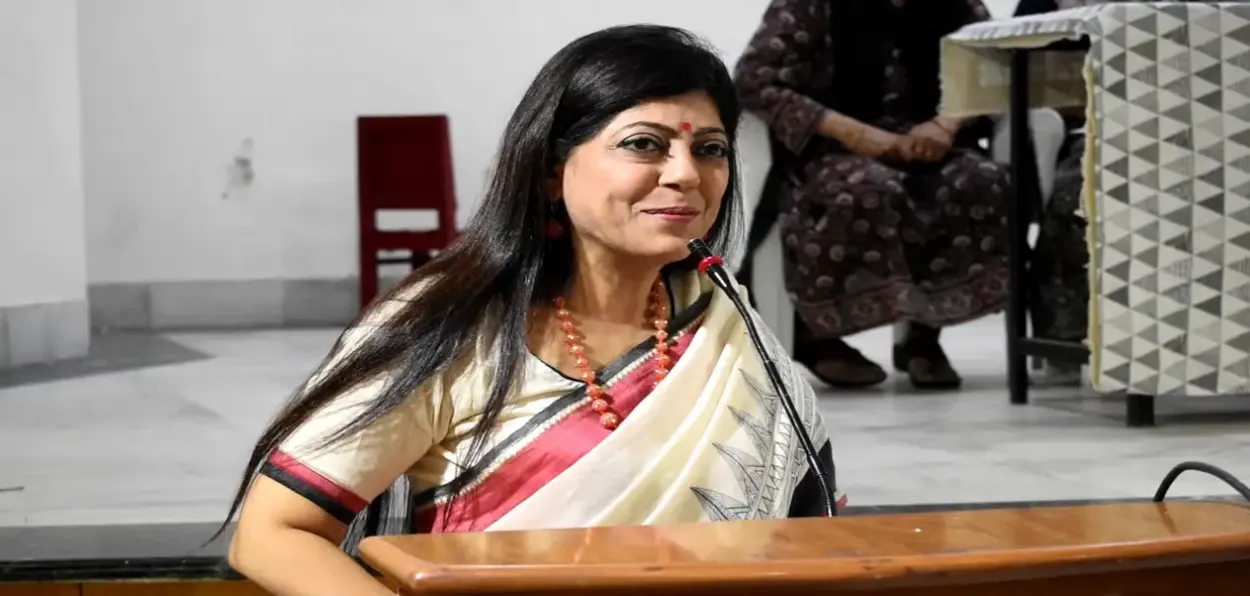
This was emphasised by Dr Syed Mubeen Zahra of the University of Delhi’s Department of History during a special podcast of “Deen Aur Duniya” on Awaz-The Voice, in conversation with Saquib Salim. The discussion focused on the challenges faced by Muslim women in India and possible pathways forward.
Dr Zahra stressed that women should not rely solely on others for religious knowledge. “Do not be content with merely listening—read and understand for yourself,” she said, invoking the spirit of Iqra (read). While not everyone needs to become a scholar, developing the habit of reading and comprehension is essential. When questions arise, one should attempt to resolve them through personal study.
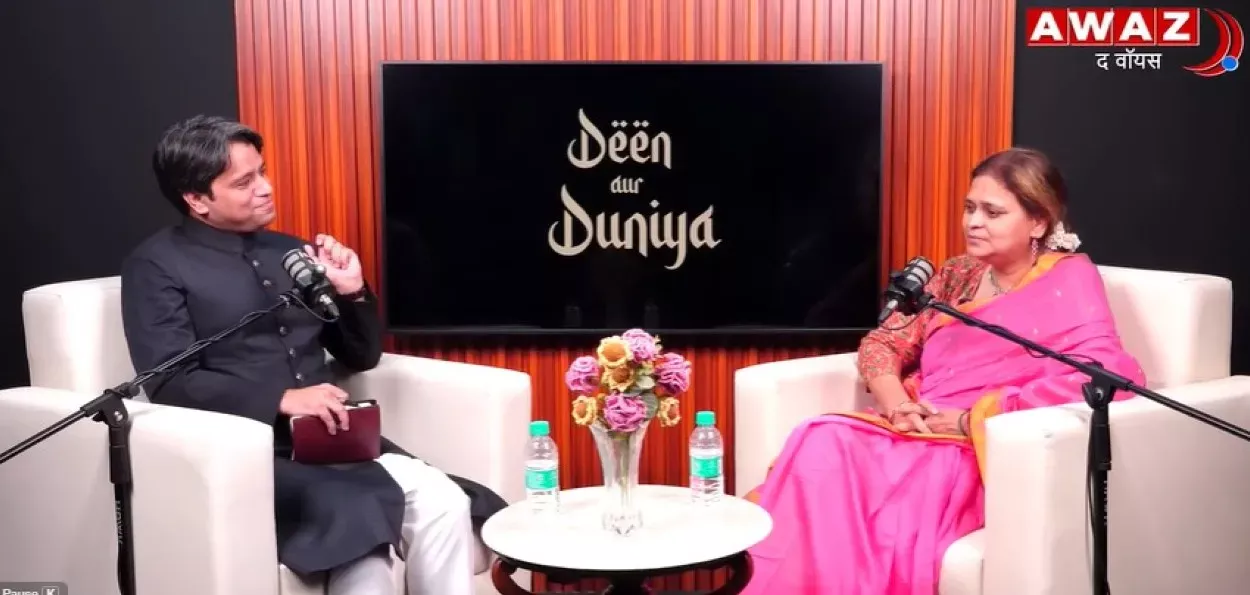
She also highlighted the need for religious leaders who speak for women’s independence. Citing the example of Zainab bint Ali, she noted that without her voice, the events of the Battle of Karbala might not have been preserved as they are today. Such examples, she said, underscore the vital role of women in Islamic history.
Girls today are often outperforming boys in higher education. However, the real challenge begins when formal education ends and practical life takes over. While many girls complete school and college, they are frequently burdened with domestic responsibilities at a certain stage of life, causing their ambitions and career prospects to gradually recede.
According to Dr Zahra, this is not the result of individual choices alone but of a deeply entrenched patriarchal system. From childhood, different expectations are set for boys and girls—sons are encouraged to dream big, while daughters are often confined to limited aspirations. These early influences shape their educational and professional trajectories.
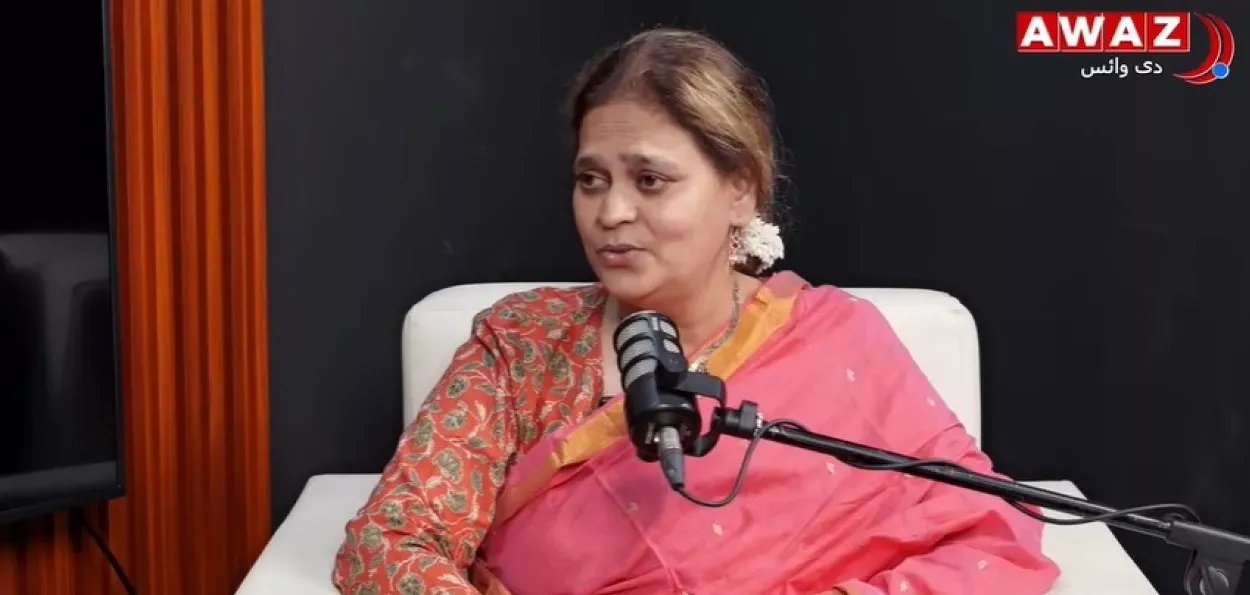 Dr. Syed Mubeen Zahra
At the same time, she acknowledged positive changes in recent years, particularly within the Muslim community, where parents are increasingly prioritising their daughters’ education. Many women are now pursuing higher studies and contributing significantly in fields such as teaching and beyond. Yet, despite this progress, women remain underrepresented in leadership roles across both academia and the corporate sector.
Dr Zahra pointed out that the gender gap in India varies widely across regions. In states such as Uttar Pradesh, Bihar, and Rajasthan, disparities can reach as high as 18–23%. In contrast, southern states like Kerala show a much narrower gap, around 2.2%. These differences reflect not only statistics but also social attitudes, educational histories, and reform movements.
Taking West Bengal as an example, she noted its long tradition of social reform and education. Movements addressing women’s education, the abolition of sati, and widow remarriage saw active participation from both men and women. This demonstrates that when society collectively supports change, meaningful progress follows.
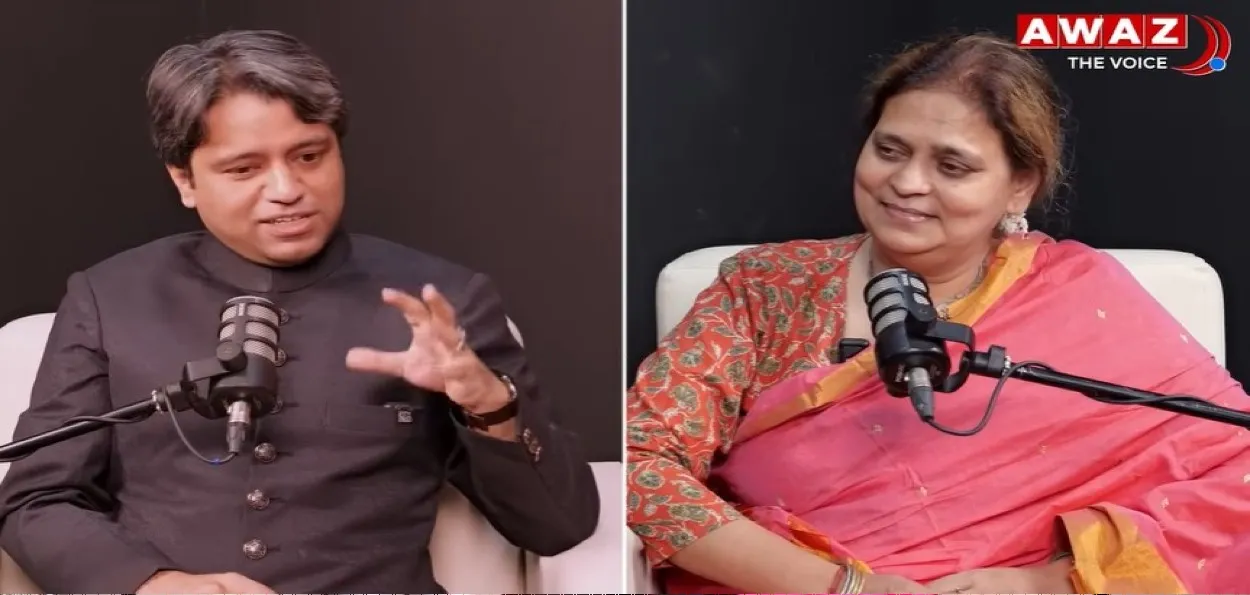 Saquib Salim and Dr Syed Mubeen Zahra
“The real question is not what women want, but what paths are created for them,” she said. Women have consistently shown willingness to enter diverse fields, yet societal constraints often limit their choices beforehand. The growing number of female pilots in India’s aviation sector stands as proof that, when given opportunities, women can excel in any domain.
Dr Zahra also drew attention to trends in the medical profession. While a large number of women enrol in Bachelor of Medicine and Bachelor of Surgery (MBBS) programmes, their representation declines at the level of specialisation and super-specialisation. Many gravitate towards fields such as gynaecology, paediatrics, and anaesthesia, while fewer are seen in surgery, cardiology, or neurosurgery.
This disparity, she argued, cannot be explained solely by economic factors or patient preferences. The same conditions apply to men, yet they remain more visible in these high-prestige specialities. The underlying issue lies deeper—in social structures and unequal access to opportunities.
She cited the observation of a female doctor at an experts’ panel that all such panels are male-dominated. “The issue is not competence but representation,” Dr Zahra explained. Women are present and capable, but they are given fewer opportunities to lead and be visible. This creates an invisible barrier that continues to hinder their advancement.
Quoting from Islamic history, Dr Mubeen Zahra said, but for Hazrat Zainab’s account, the world would not know about the reality of Karbala. She said women like Razia Sultan, Pandita Ramabai, Rani Lakshmibai, Habba Khatun and Mirabai played prominent roles in their respective times.
“The biggest problem of our society is that we do not see women as complete human beings but limit them to specific gender roles. Until this thinking changes, real change is not possible,” she said.
READ MORE: Yana Mir: Kashmir's lone journalist to challenge Pakistan's narrative
Saquib Salim, however, said that many religious experts have tried to bring about positive changes.
Zahra said that the change does not come only from laws or education, but it comes when both the family and society change their thinking and do not see women in a limited role. At the same time, a woman's own self-confidence and decision-making ability also play a fundamental role in this.
۔









.webp "Symbols of different religions")
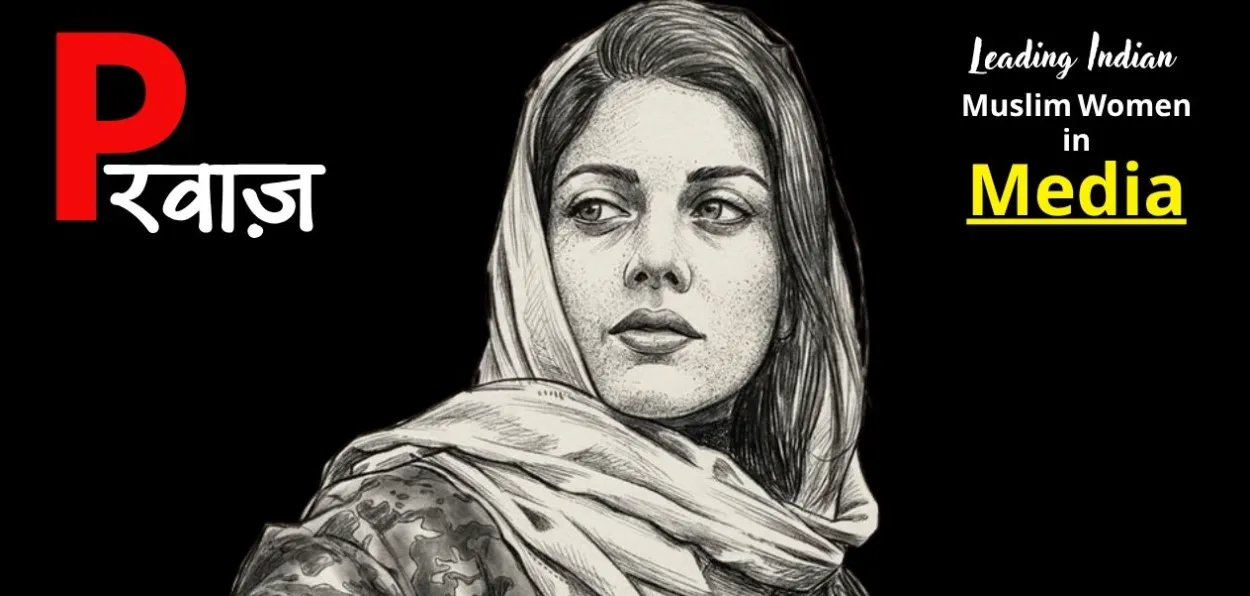
.webp "AI generated image")