.webp "AI generated image")
Eman Sakina
A powerful idea embedded in Islamic thought is most relevanttoday. It is the concept of khilafah, the human role as a steward of the Earth. Not an owner, not a conqueror, but a caretaker entrusted with balance, justice, and responsibility. When we place this idea alongside the environmental challenges of our time—climate change, polluted rivers, shrinking forests—it gives rise to what can be called a “Green Khilafah”: a way of living that honours both faith and the fragile world we inhabit.
Friday Musings
The Qur’an presents the Earth not as a resource to be consumed endlessly, but as a trust (amanah). Humanity is described as khalifah—a vicegerent—placed on Earth with the duty to maintain its balance. This balance (mīzān) is not just poetic language; it is a principle that runs through creation. From the orbit of planets to the cycle of rain, everything exists in harmony. When human beings disrupt this balance through excess, greed, or neglect, the consequences ripple outward—into ecosystems, communities, and even our own spiritual well-being.
A Green Khilafah begins with a shift in perspective. It asks us to see nature not as something separate from us, but as a sign (ayah)—a reflection of divine wisdom. A tree is not just timber; it is a living testament to growth, patience, and sustenance. Water is not merely a utility; it is described as the source of all life. Even animals are referred to as communities like us, deserving of care and dignity. When this lens takes root, environmental responsibility ceases to be a modern trend and becomes an act of faith.
Islamic civilisation has always represented this awareness in nuanced but significant ways. Gardens were intended to be places of contemplation and harmony rather than dominance. Long before scarcity became a worldwide issue, water systems were carefully maintained. Moderation was stressed even in acts of worship. In a world experiencing a water crisis, the Prophet Muhammad cautioned against wasting water, even when taking ablution by a rushing river.
However, it is now difficult to overlook the discrepancy between theory and reality. Excess has become commonplace due to consumer culture. Conscience is frequently subordinated to convenience. Careless consumption, excessive energy use, and plastic waste are becoming commonplace. In many cases, environmental harm is not the result of deliberate destruction but of accumulated neglect—small actions repeated without thought.
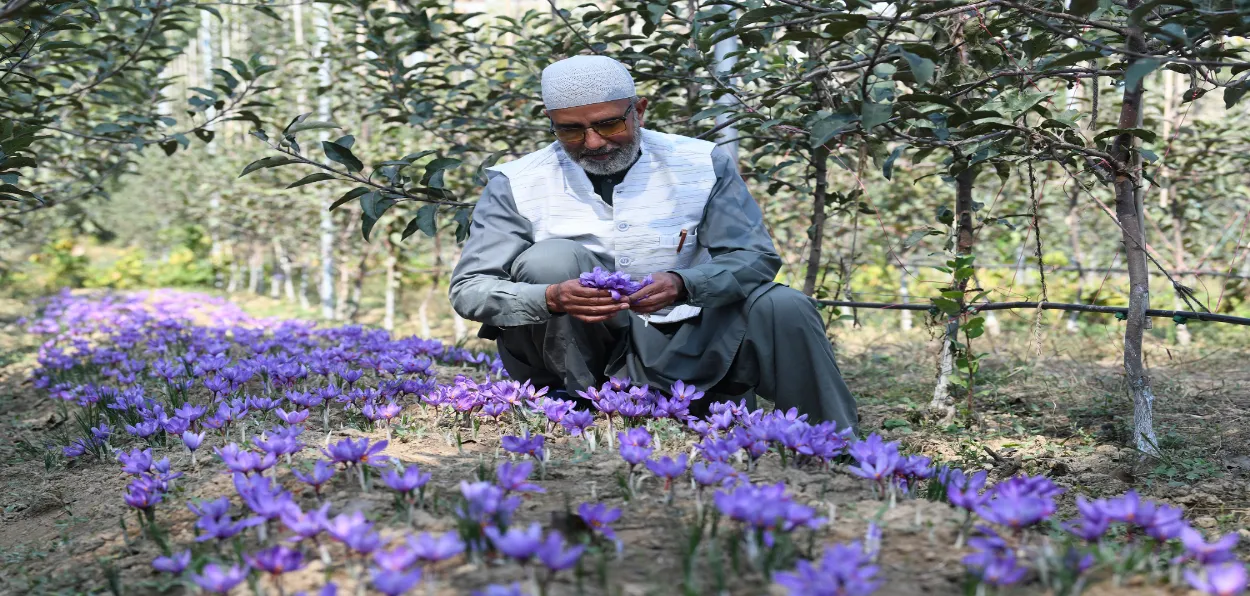
The idea of a Green Khilāfah does not demand grand gestures from everyone. It begins with small, consistent choices. Reducing waste, conserving water, choosing sustainable products, and being mindful of consumption are all acts of stewardship. Planting a tree, supporting ethical businesses, or even avoiding unnecessary extravagance can carry spiritual weight when done with the right intention.
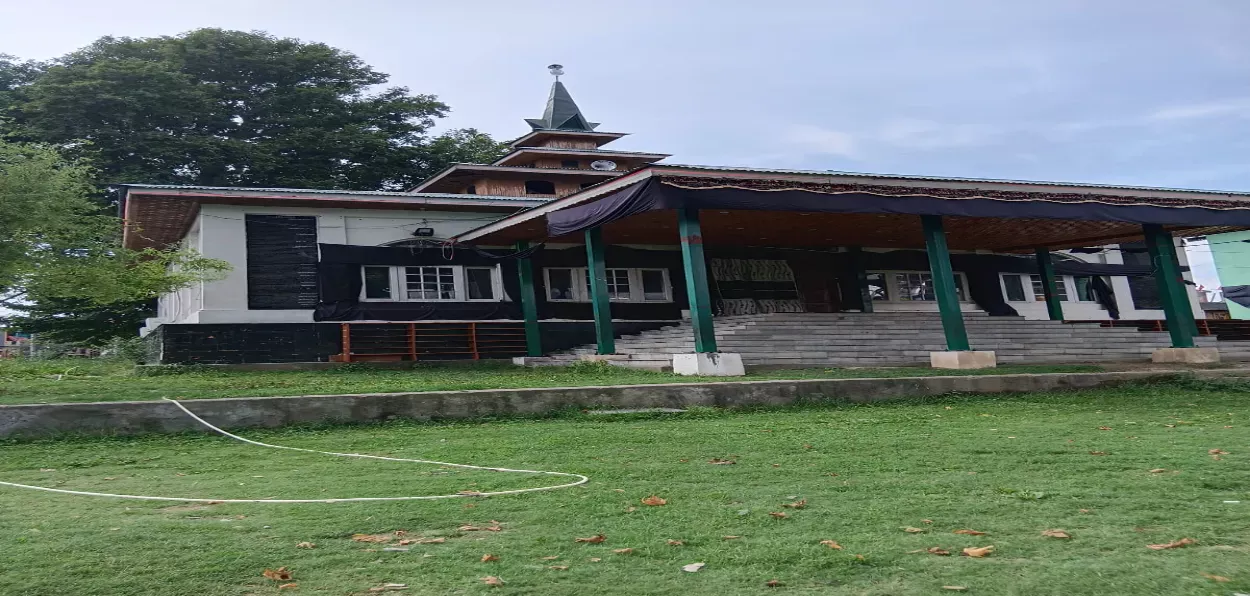
However, there is a collective aspect in addition to individual effort. Institutions, communities, and mosques can influence the development of eco-friendly behaviours. Imagine sermons that discuss environmental ethics, houses of worship that run on renewable energy, and neighbourhood projects that emphasise sustainability and cleanliness. These are real-world manifestations of a faith that calls for accountability and balance, not abstract ideals.
There is also a deeper, more introspective layer to this conversation. Environmental degradation often mirrors an inner imbalance. When the heart becomes attached to excess, the world reflects that disorder. A Green Khilafah, therefore, is not just about saving the planet; it is about restoring harmony within ourselves. It is about learning restraint, gratitude, and humility—qualities that naturally lead to more mindful living.
In a time when environmental discussions are often framed in political or scientific terms, the spiritual dimension can offer something unique. It reminds us that caring for the Earth is not just a necessity for survival but a moral and spiritual duty. It transforms environmental action from obligation into an act of worship.
ALSO READ: Md Talib Khan's mission to transform UP village is part of legacy
The path forward does not require perfection. It requires awareness, intention, and effort. The Earth, in its quiet resilience, continues to give despite what it endures. A Green Khilafah calls us to respond—not with guilt or despair, but with responsibility and hope.