Jitendra Pushp/Bodh Gaya
Unlike the image of a typical village, Bakraur in Bihar’s Gaya district presents a strikingly modern profile—complete with multi-storey buildings, hotels, and a lively tourism economy. The village draws visitors from across the world throughout the year, not merely for its facilities, but for its profound spiritual legacy.
Bakraur is revered as the place where a humble village woman, Sujata, offered food to a frail Siddhartha Gautama, restoring his strength and altering the course of his spiritual journey.
Over 2,500 years ago, Siddhartha arrived here in search of truth. Immersed in intense meditation for six years, he subjected his body to extreme austerities, leaving himself weak and emaciated. It was then that Sujata, moved by compassion, offered him kheer (rice pudding). Along with nourishment, she shared a simple yet enduring insight: one must neither stretch the strings of a veena so tightly that they snap, nor leave them so loose that they produce no sound.
This wisdom struck a deep chord within Siddhartha. In that moment, he realised the futility of extremes and the necessity of balance—the essence of what would later be known as the Middle Path. Strengthened by Sujata’s offering and her words, he crossed the Niranjana River and meditated under a peepal tree on its western bank. There, he attained enlightenment and became the Buddha.
The village that helped shape this transformative realisation now stands prominently on the global map.
In ancient times, Bakraur was known as Senani Gram, a settlement of modest mud houses. Today, it has undergone a remarkable transformation. The Niranjana River, which once posed a significant barrier between Bodh Gaya and Bakraur, is now spanned by a sturdy concrete bridge—a vital lifeline for the region.
Just two decades ago, crossing the river was a daily challenge, particularly during the monsoon. The lack of connectivity deterred even determined visitors. The construction of the bridge changed everything, linking Bakraur seamlessly with Bodh Gaya and opening new avenues for development.
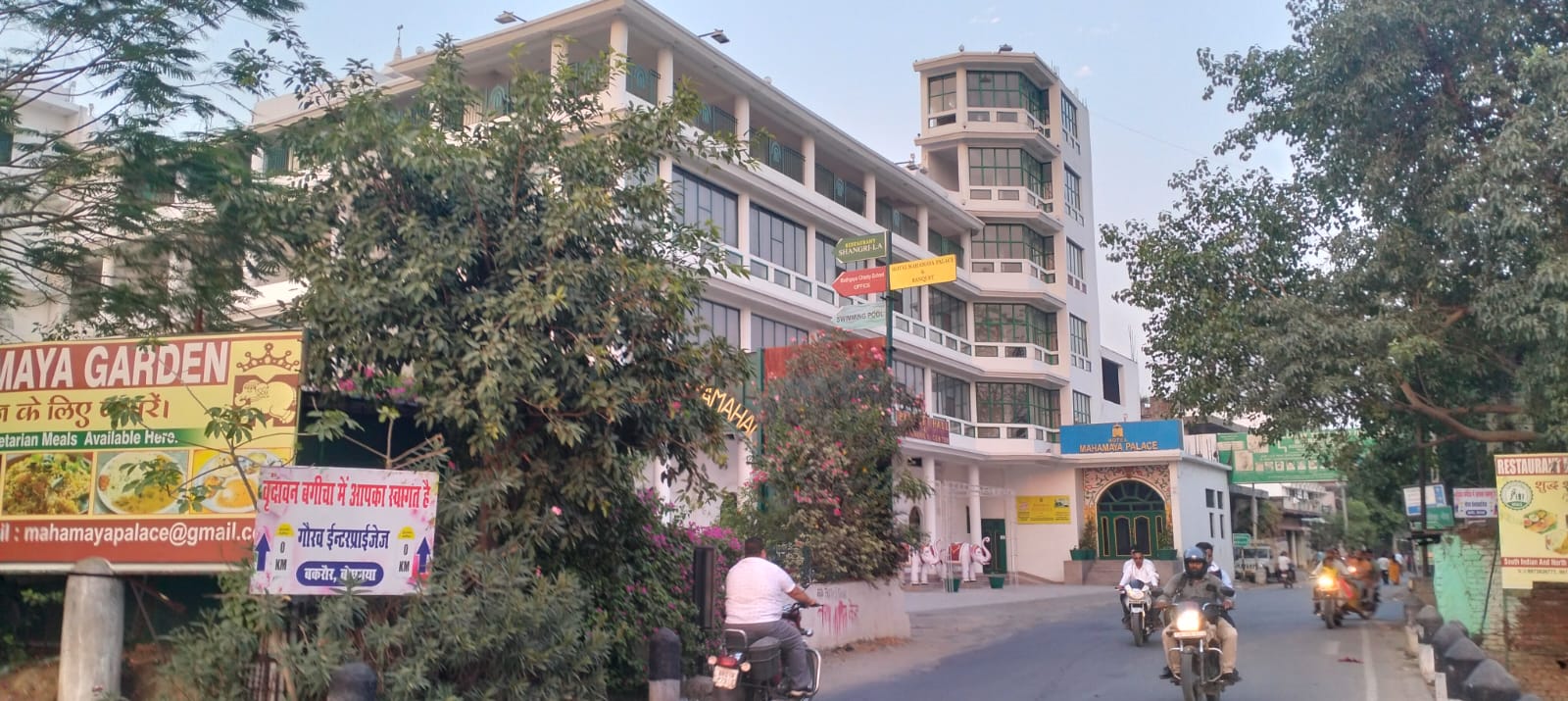
With improved access came rapid growth. Hotels and guesthouses began to dot the landscape, while Buddhist monasteries representing different countries established a presence here. Recreational facilities, including water parks, have also emerged, catering to both residents and tourists. Construction activity continues as the village expands its infrastructure.
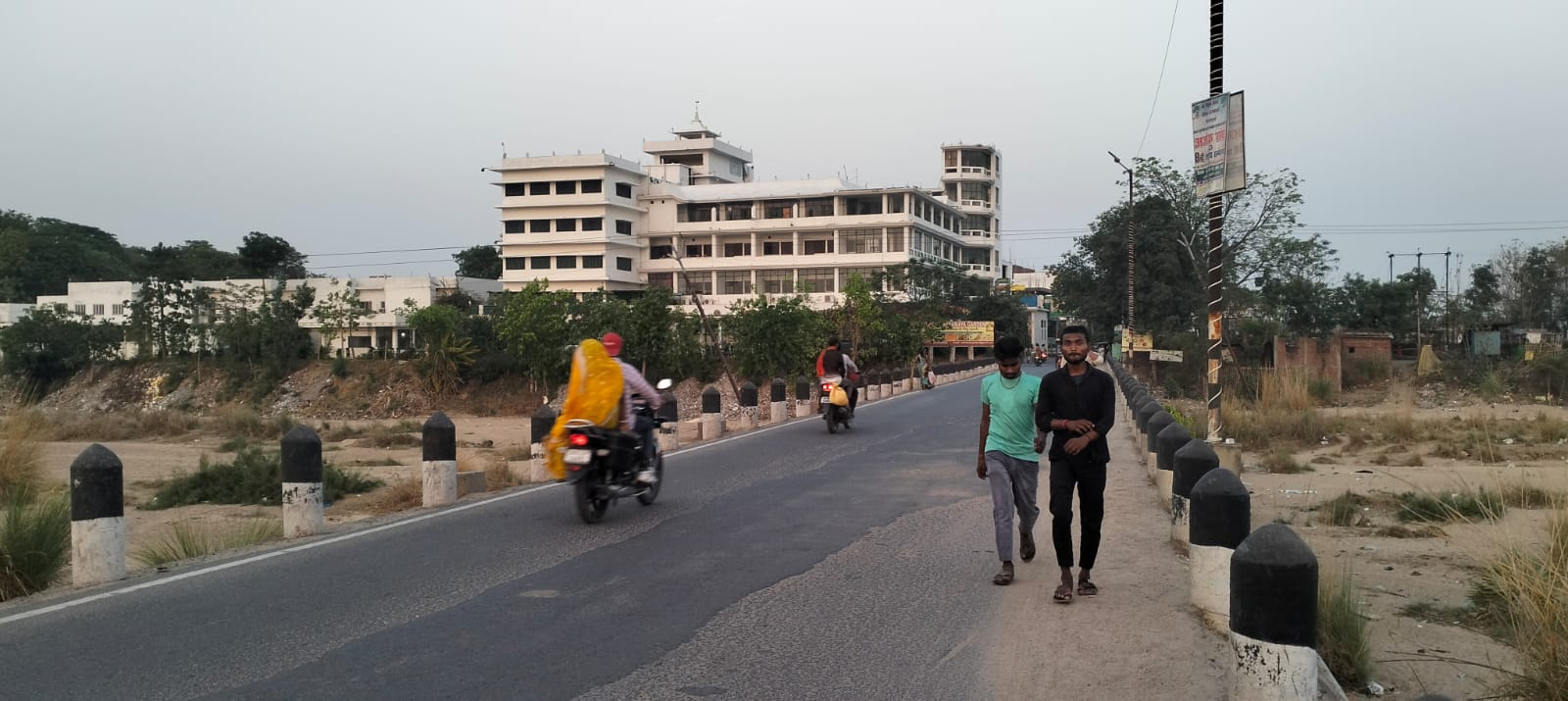
For many international visitors, a pilgrimage to Bodh Gaya remains incomplete without a visit to Bakraur—the land of Sujata. Recognising its potential, the government is working to develop the village as a global tourism hub.
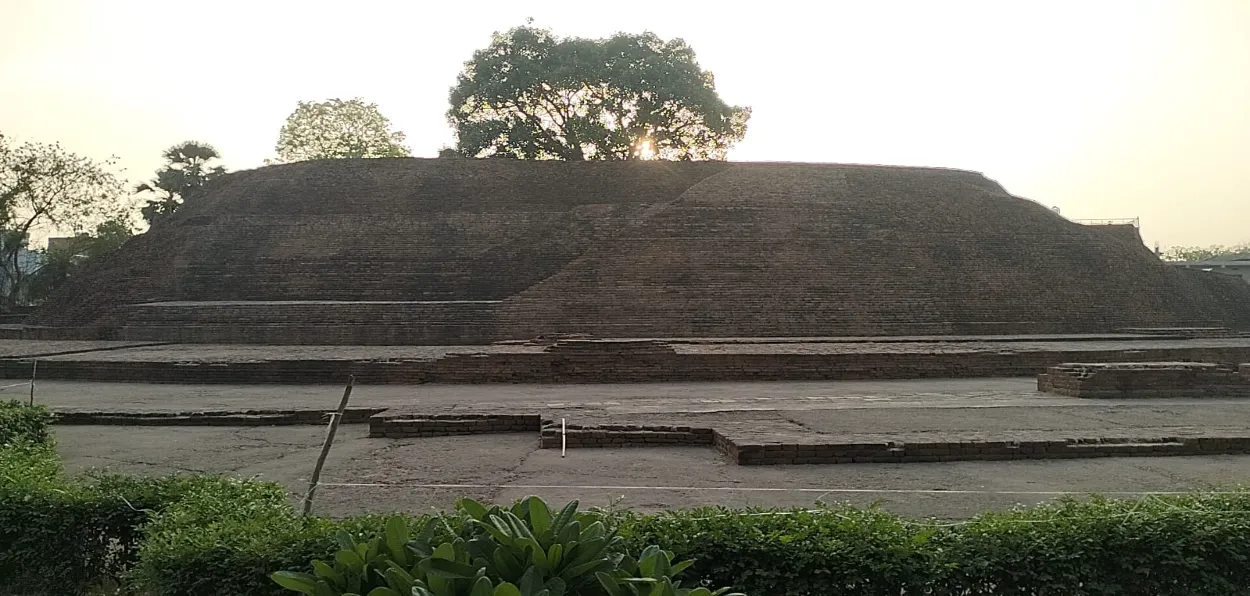
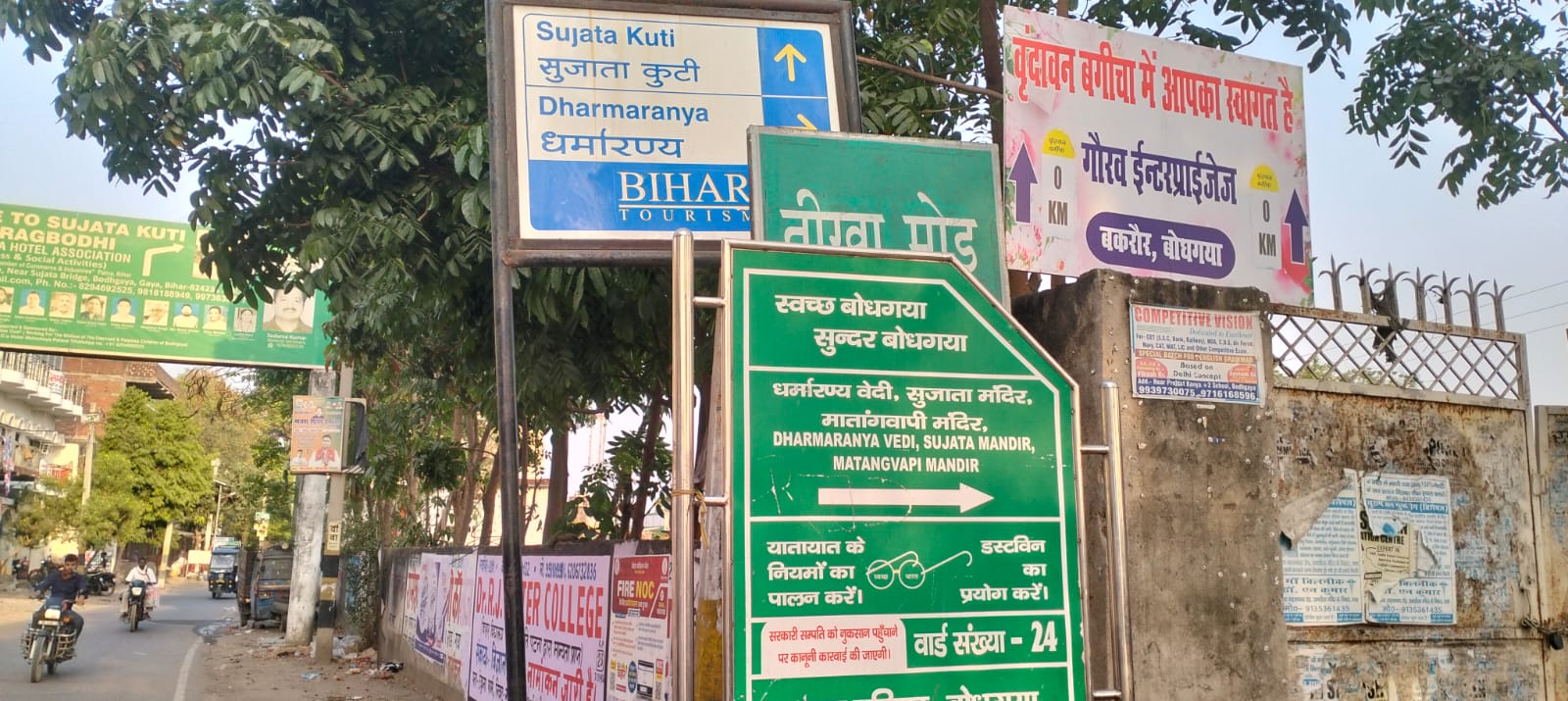
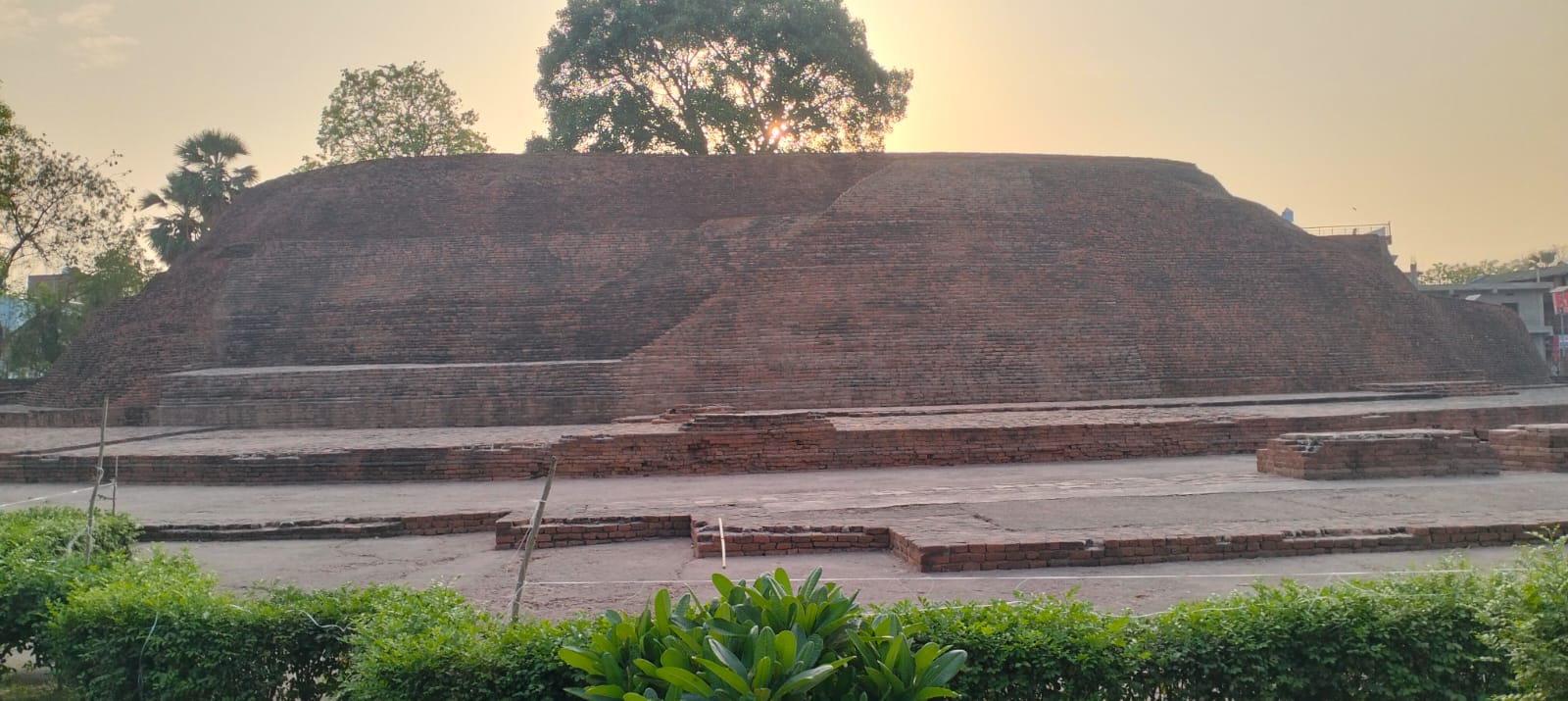
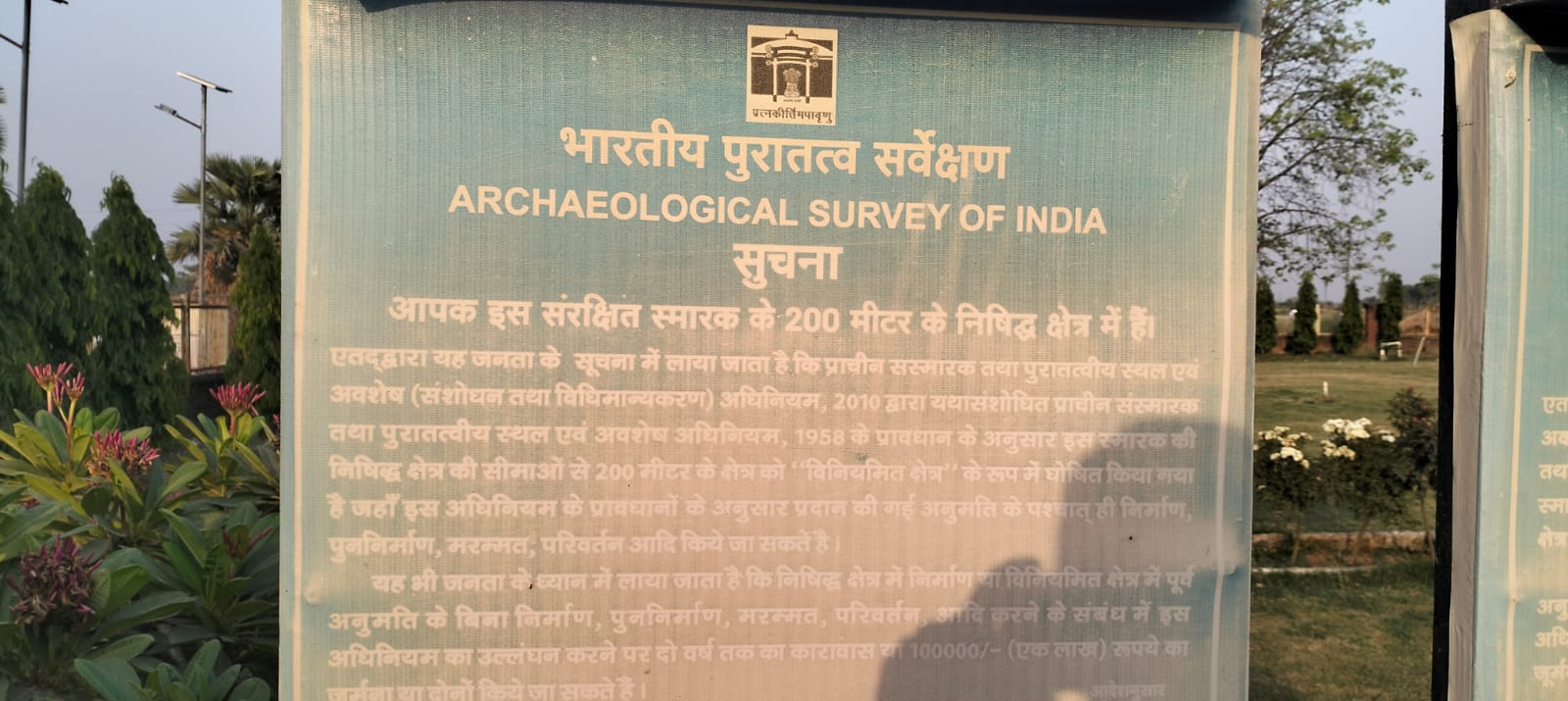
At the heart of Bakraur stands a stupa dedicated to Sujata, often referred to as Sujata Kuti. Excavated by the Archaeological Survey in phases and now a protected site, it is far more than a historical structure. For countless devotees, it represents faith, gratitude, and the quiet power of compassion.
Bihar Tourism 2024 Data!
— The Bihar Index (@IndexBihar) December 3, 2025
Total visitors: 66 million (6.6 crore)
Domestic tourists dominate the scene: 65.3 million (98.9%)
Foreign tourists remain tiny: 7.3 lakh (1.1%) pic.twitter.com/E943Mq5QDv
Visitors and monks often spend hours here in meditation, paying homage to the place where a simple act of kindness and a profound lesson in balance helped illuminate the path to enlightenment.
 A grand hotel and waterpark under construction at Bakraur
Tourism has created new opportunities in hospitality, guiding, and transport, bringing economic vitality to the village. Today, Bakraur stands as a compelling example of how preserving heritage can drive sustainable development, transforming even a small village into a thriving, modern community.
On the western bank of the Niranjana lies the Mahabodhi Temple, where Emperor Ashoka once commissioned a grand monastery. On the eastern bank rests Bakraur, Sujata’s village. The connection between these two sites is enduring and inseparable.
ALSO READ: Why 7th century Buddhist monk Hiuen Tsang is celebrated in India, China
Sujata, the daughter of a farmer, did not merely offer food—she offered insight. In doing so, she helped guide a seeker toward enlightenment, leaving behind a legacy that continues to inspire the world.

.webp "Representational Image")






_(1).webp)