Saquib Salim
In 2022, the United Nations proclaimed 15 March the International Day to Combat Islamophobia. The term Islamophobia came into common use with the publication of a report by a UK think tank, Runnymede, in 1997. In the aftermath of the USSR’s fall, publication of The Clash of Civilisations and the Gulf War, the West witnessed a surge in anti-Muslim hate. In a post 9/11 world, this hate increased, and so did the efforts to understand its cause. The UN admitted that Islamophobia has become a major problem like racism and antisemitism.
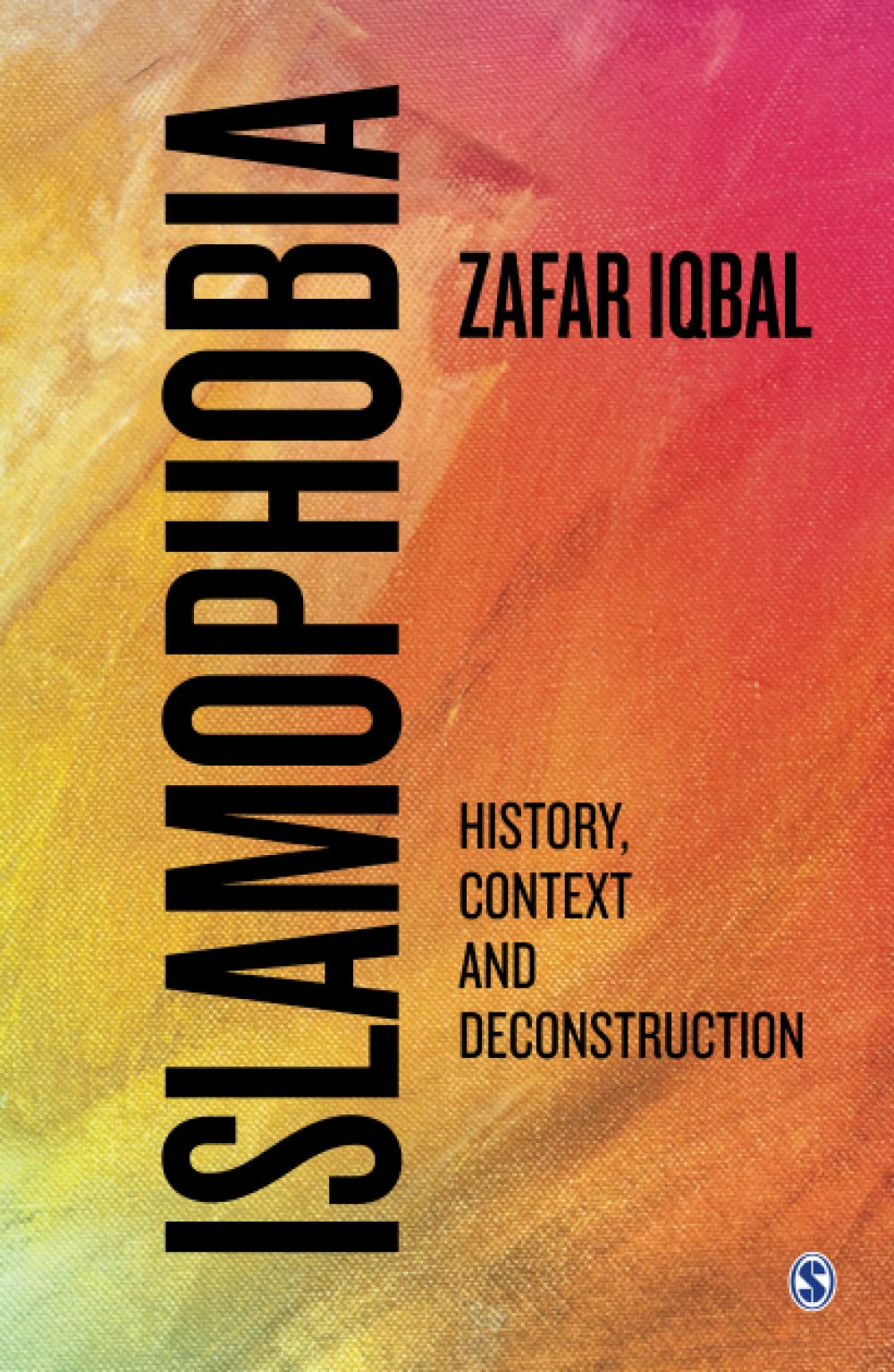
The earliest use of this term, Islamophobia, could be traced to a doctoral dissertation in France in 1910 by Alain Quellien. Zafar Iqbal, in his book, Islamophobia: History, Context and Deconstruction, notes, “Quellien, interestingly, put up a critique on a negative posturing of the West towards Muslims and Islam and described what it meant to be an Islamophobe. His perspective characterised Islamophobia as racism, prejudice and negation of Islamic civilisation, and a dominant approach of labelling Muslims and Islam as an “implacable enemy of the Europeans.”
 But, till the publication of Islamophobia: A Challenge for us all by Runnymede Foundation in 1997, the term was sparsely used and had no definite meaning. The report defined “The term Islamophobia” as an “unfounded hostility towards Islam. It refers also to the practical consequences of such hostility in unfair discrimination against Muslim individuals and communities, and to the exclusion of Muslims from mainstream political and social affairs.”
One of the arguments against this report was, which still exists, that “it stifles legitimate criticism of Islam, and that it demonises and stigmatises anyone who wishes to engage in such criticism.” The media at that time accused Runnymede of being “Islamically correct” and promoting everything wrong in the Muslim societies.
The report argued that “there is a new reality which needs naming: anti-Muslim prejudice has grown so considerably and so rapidly in recent years that a new item in the vocabulary is needed so that it can be identified and acted against. Similarly, there was a time in European history when a new word, antisemitism, was needed and coined to highlight the growing dangers of anti-Jewish hostility.”
Those who had framed the report said that it was not Islamophobic to criticise certain beliefs of Muslims, their laws or the Muslim states. They said that phobia arises out of a ‘closed view’ of Islam, while an ‘open view’ helps in critical engagement. Eight distinct features of Islam and its followers were identified, where one needed to have an ‘open view’ to have a non-Islamophobic relationship with Islam.
The first important feature is whether one understands Islam as a monolithic, homogeneous identity or a diverse, heterogeneous group with internal debates, differences and developments. Islamophobia often arises out of this understanding, where all Muslims are treated as the same kind of people. It leads to stereotyping. For example, in India, a large group believes that all Muslims marry multiple times, wear skull caps, eat meat daily and several other things. But what is missed here is that a lot of men and women working in the Indian film and fashion industry are Muslims.
The most followed content creator on Instagram in India is a Muslim girl, Jannat Zubair. Muslims roam around clean-shaven. Muslims can be vegetarian. Muslims consume alcohol. Within religious Muslims, they may or may not engage with music. In a nutshell, Muslims are a mosaic of people, and once it is understood, the stereotyping and hence Islamophobia becomes less.
 Muslims offering Namaz in Patna, Bihar
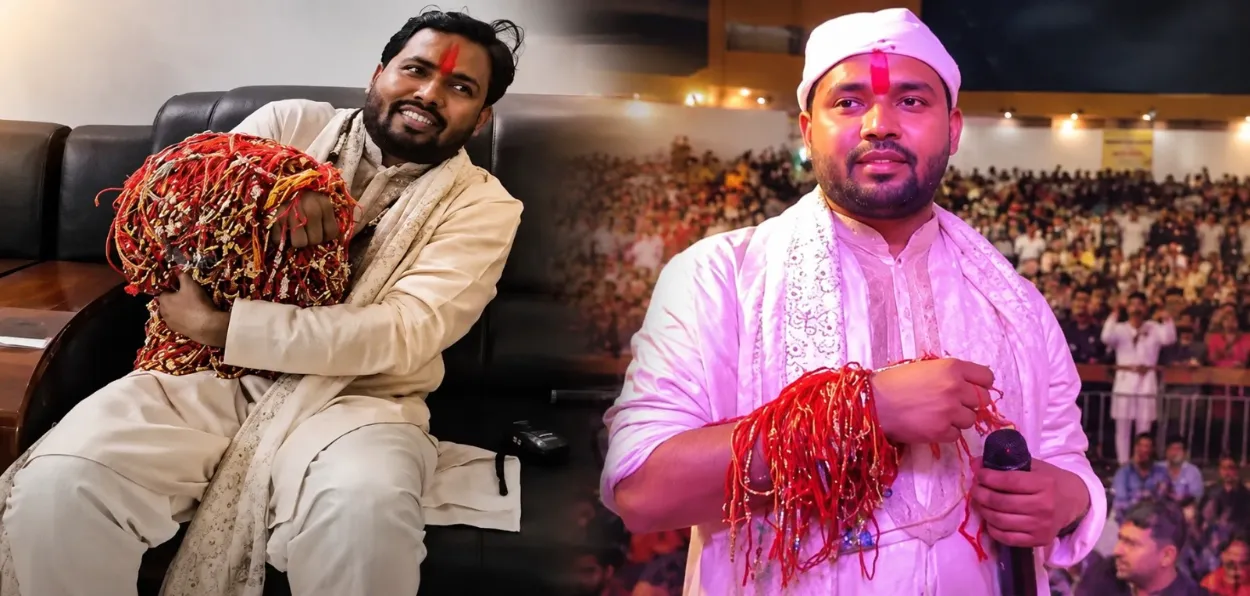
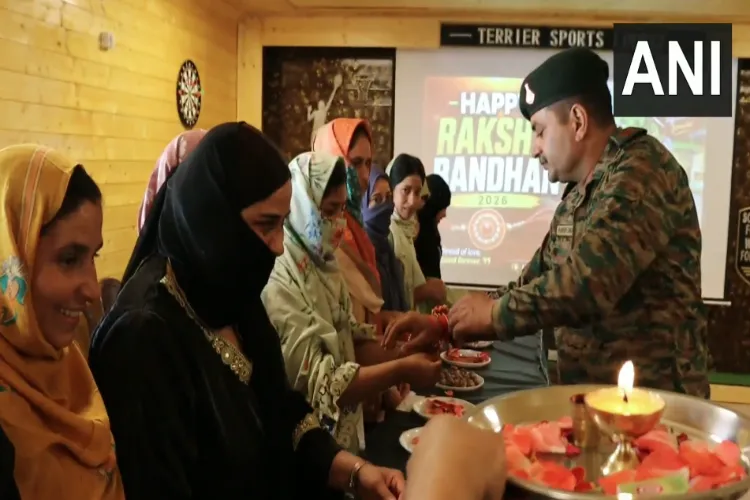
Another feature discussed in the report was the separation from other cultures. The closed view, which can lead to Islamophobia, is that Islam stops its followers from interacting with other cultures. Like, in India, we see these claims that Muslims have a distinct culture with no shared values with Hindus, Sikhs or other people. The reality is just the opposite. In fact, the non-Indian Muslims often allege that the Indian Muslims are ‘corrupted’ by a Hindu influence. Indian Muslims, depending upon space, might wear sindoor, bangles, etc., which are cultural practices of India. The cultural exchange, anywhere in the world, between Muslims and other communities is a reality.
A closed view of Islam is that it is a political ideology used to win wars against other civilisations. Closer to home, we see many people suspect any activity of Muslims as a political or military act against other communities. A romantic relationship can be seen through the lens of ‘Love Jihad’, a purchase of land can be called ‘Land Jihad’ and so on. While the open view is to look at Islam as any other religious faith, where its adherents can be good or bad people. There is no ‘mission’ being undertaken by Islam.
The report says that with several hostile views towards Islam, people legitimise hostility towards Muslims as well. So, they can discriminate in housing societies by claiming a difference in dietary habits. Educational institutions can shut their doors on them in the name of criticising the dress of Muslims. It is argued, in the report, that “Debates and disagreements with Islam do not diminish efforts to combat discrimination and exclusion.”
Another very important reason raised in the report was that anti-Muslim hostility is seen as ‘normal’. The criticism of Muslims and their society is, by itself, considered to be correct. While “Critical views of Islam are themselves subjected to critique, lest they be inaccurate and unfair.”
ALSO : Quran and Gita help Jasmine Sultana crack Assam civil services exam
To combat Islamophobia, Zafar Iqbal writes, “There is a need to identify the cultural values, which Muslims have, based on ethnicity, regionalism, nationality and cultural belongings.” This is to understand Muslims as a heterogeneous group of people. Not all Muslims are alike. Their languages, eating habits, dressings, and even religious practices might differ. Stereotyping of Muslims is the single biggest problem that the followers of Islam are facing in the world.






.webp "Guru Vishwmitra and Allama Iqbal (AI-generated image for representational purposes)and")
_(2)_(1).webp "Representational Image")