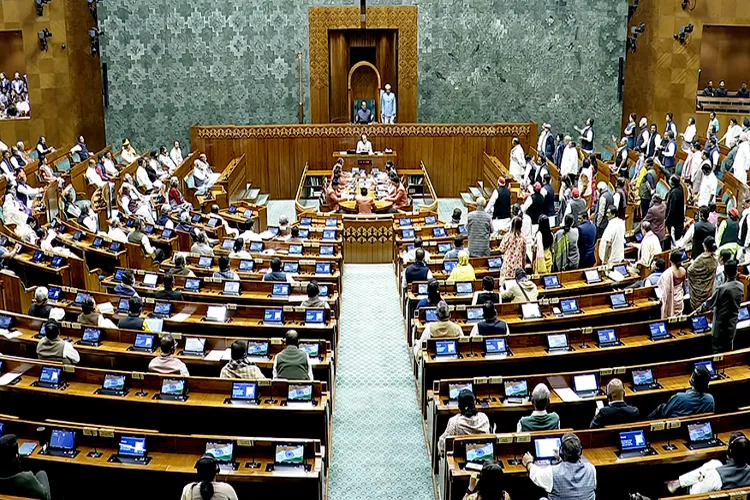
New Delhi
The government is set to bring a bill in the Monsoon session of Parliament to replace an ordinance which increased the number of Supreme Court judges from 34 to 38, including the chief justice of India.
The Lok Sabha has admitted a statutory resolution by opposition members opposing the ordinance, a House bulletin said on Wednesday.
According to procedure, if a bill is brought to replace an ordinance, opposition members move a statutory resolution opposing the ordinance.
The ordinance is an executive power exercised by the government to frame laws in exigencies when Parliament is not in session.
The resolution states that "This House disapproves of the Supreme Court (Number of Judges) Amendment Ordinance, 2026..."
"An ordinance has a life of six months but once a session commences, the ordinance has to be passed by Parliament into a law within six weeks or 42 days else it lapses," said former Union law secretary P K Malhotra.
In May, the Union Cabinet had cleared a bill to increase the sanctioned strength of top court, but soon thereafter the government brought an ordinance.
After the ordinance, five judges were appointed to the apex court based on upgraded sanctioned strength.
The proposed bill does not require an amendment to the Constitution and requires a simple majority for passage.
The strength of the Supreme Court was last increased from 30 to 33 (excluding the CJI) in 2019.
The Supreme Court (Number of Judges) Act, as originally enacted in 1956, put the maximum number of judges (excluding the CJI) at 10.
This number was increased to 13 by the Supreme Court (Number of Judges), Amendment Act, 1960, and to 17 by another amendment to the law.
The Supreme Court (Number of Judges) Amendment Act, 1986, augmented the strength of judges from 17 to 25, excluding the CJI.
A fresh amendment in 2009 further increased the strength from 25 to 30.
Article 124(3) of the Constitution lists the qualifications required to become a Supreme Court judge.
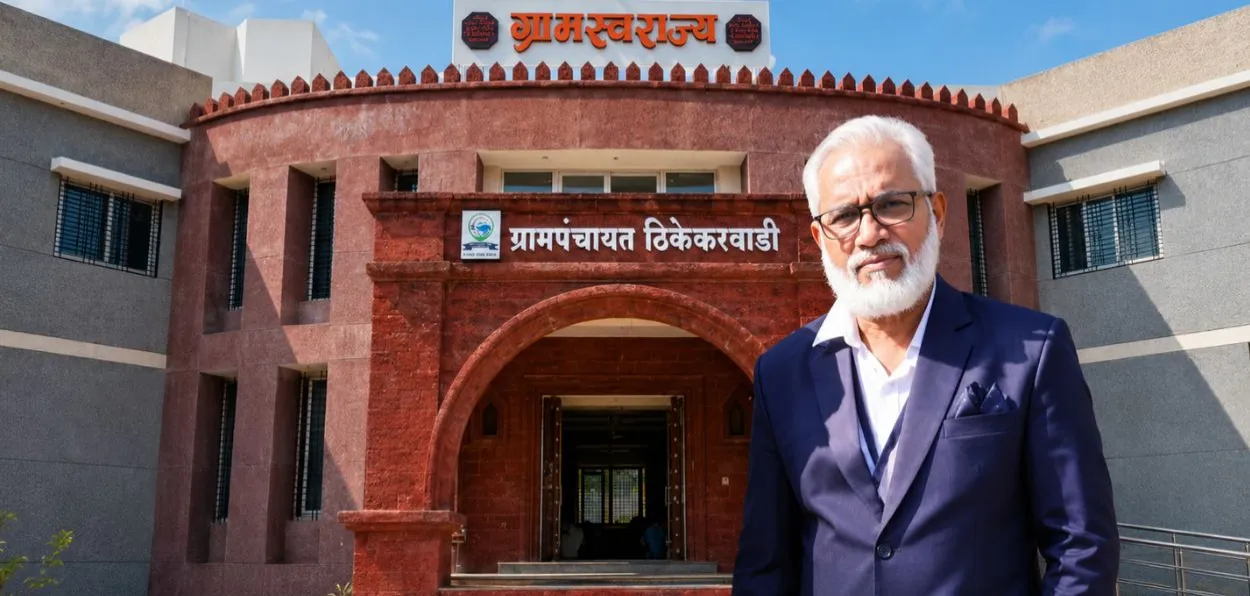
READ MORE: Gram Sevak Aslam Shaikh behind the most awarded Thikekarwadi Panchayat
An Indian citizen who has either served as a high court judge for at least five years, or as an advocate for 10 years, or is a distinguished jurist, can be appointed to the top court.
The strength of the Supreme Court is increased based on the recommendations of the CJI, who writes to the Union law minister. After consulting the finance ministry, the Department of Justice under the law ministry moves the Cabinet with a draft bill.











.webp "Uttarakhand Chief Minister Pushkar Singh Dhami")

_(1).webp "Supreme Court of India")
_(1).webp "AAP leaders Arvind Kejriwal, Manish Sisodia")


_(2).webp)