




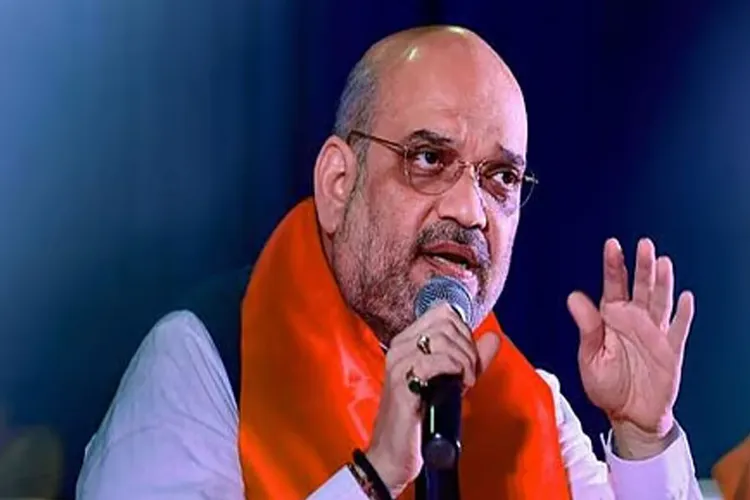
.webp "Union Minister JP Nadda")
Shimla
Union Minister JP Nadda said here on Friday that the 12 years of the Prime Minister Narendra Modi-led NDA government were momentous for development and public welfare. These transformational years laid a strong foundation for achieving the goal of "Viksit Bharat" (Developed India) by 2047, said Nadda, who heads both the Ministry of Health and Family Welfare and the Ministry of Chemicals and Fertilisers.
Addressing the "Intellectual Meet" on 12 years of the Modi government in office, organised by Himachal BJP under the "12 Years of Trust, Development and Public Welfare campaign", Nadda said the country witnessed unprecedented development in all areas and that the government's 4,399 days would be remembered as the "Golden era" of the country's history.
Pointing out that, before 2014, Indian politics revolved around caste, dynastic politics, appeasement, and corruption, and the mindset of the citizens was that the government might change, but not the governance, Nadda said the Modi government changed that perception by making politics a medium of service, accountability, and good governance.
"When India celebrated 75 years of Independence, Prime Minister Modi presented the vision of Amrit Kaal and the resolve to build a Viksit Bharat by 2047, instilling confidence that ordinary citizens can raise their voice against corruption and the government would listen to it," Nadda said.
Prime Minister Modi won the trust of people by introducing the mantra of "Sabka Saath, Sabka Vikas, Sabka Vishwas, Sabka Prayas" ensuring the development and prosperity of all sections of society.
He asserted that the BJP and NDA won 43 out of 75 major elections held during this period, and as of today, 78 per cent of the country's population lives in states governed by the BJP and NDA.
Nadda said the abrogation of Article 370 in Jammu and Kashmir, the construction of the grand Ram Temple in Ayodhya, the abolition of Triple Talaq, and the implementation of the Citizenship Amendment Act (CAA) were historical decisions, which previous governments avoided for political reasons.
Highlighting some major achievements, Nadda said Railway electrification increased by over 200 per cent.
He said the expansion of National highways, tunnels, four-lane projects and modern transportation networks boosted connectivity.
Furthermore, more than 430,000 kilometres of rural roads, including 14,400 kilometres in Himachal, were constructed under the Prime Minister Gram Sadak Yojana, he said.
Nadda said the Ujjwala Yojana freed millions of women from smoke-filled kitchens, nearly 1.5 lakh families in Himachal benefited from LPG connections, the Jal Jeevan Mission brought tap water connections to millions of households, and the Swachh Bharat Mission constructed over 120 million toilets.
Referring to healthcare reforms, Nadda said the number of medical colleges in India increased from around 376 in 2014 to more than 820. Medical colleges were opened in Chamba, Hamirpur and Nahan in Himachal, in addition to AIIMS in Bilaspur, he said.
Further, Defence exports increased by over 5,700 per cent and BrahMos missiles, indigenous defence systems and advanced military technologies demonstrated India's growing strategic strength, he said.
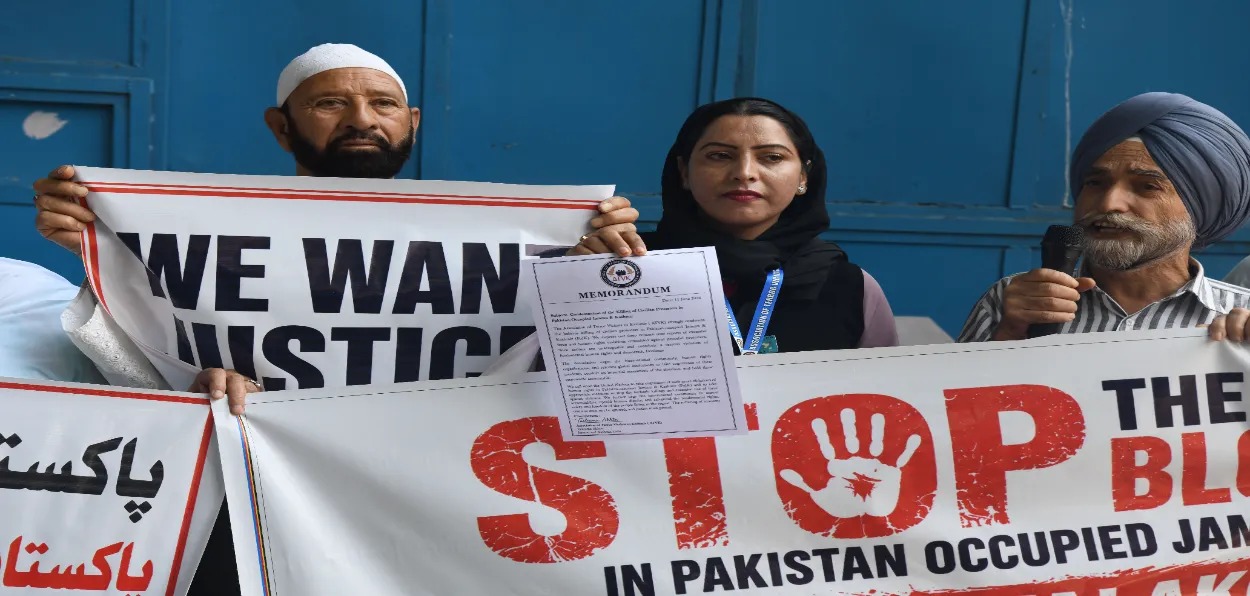
READ MORE: Srinagar: leaders, civil society members protest against PoJK killings
The Union Minister said Prime Minister Modi adopted a zero-tolerance policy against terrorism and made India a nation that responds decisively to terrorism and strengthened infrastructure, education, healthcare and development initiatives in former Naxal-dominated areas.












.webp "West Bengal CM Suvendu Adhikari")


.webp)