Eman Sakina
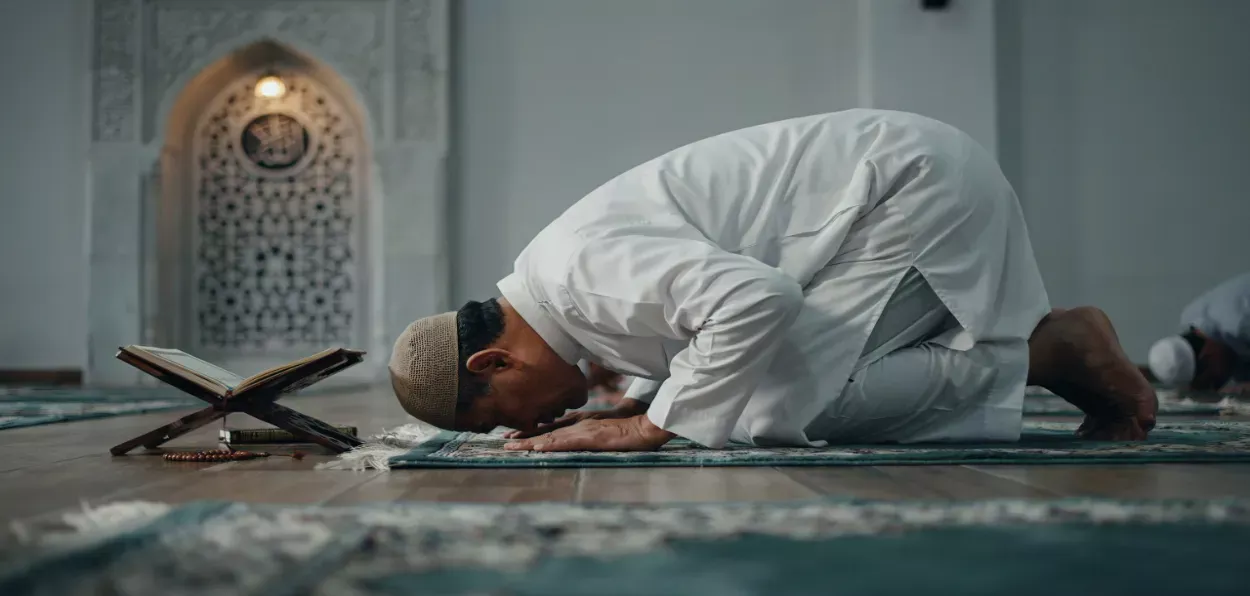
Emotional intelligence is often seen as a modern psychological discovery. Books, seminars, and leadership programs emphasise the importance of understanding emotions, controlling reactions, showing empathy, and maintaining healthy relationships. Yet more than 14 centuries ago, the life of Prophet Muhammad offered one of the most profound examples of emotional intelligence ever witnessed in human history.
Friday Musings
The Sunnah presents a model of a person who understood human emotions deeply, managed his own feelings with remarkable balance, and responded with wisdom and compassion. His life teaches us that emotional maturity is not the absence of emotions but the ability to channel them in ways that please Allah and benefit humanity.
The Qur'an itself highlights the Prophet's exceptional emotional character: "And We have not sent you, [O Muhammad], except as a mercy to the worlds." (Qur'an 21:107)
Mercy cannot exist without emotional awareness. The Prophet understood people's fears, frustrations, weaknesses, and hopes, and he dealt with them according to their individual circumstances.
Anger is one of the strongest human emotions. Islam does not deny its existence; rather, it teaches believers how to control it. The Prophet himself experienced anger when sacred values were violated, yet he never allowed personal anger to dominate his actions.
Allah says: "Those who restrain anger and pardon people; and Allah loves the doers of good." (Qur'an 3:134)
A famous incident illustrates this perfectly. A Bedouin once pulled the Prophet's cloak so harshly that it left marks on his neck and then demanded wealth from him. Instead of reacting with hostility, the Prophet smiled and ordered that the man be given what he requested.
His response transformed a potentially confrontational moment into an opportunity for kindness and teaching. This was emotional intelligence in practice—recognising the emotion, controlling the impulse, and choosing the most beneficial response.
The Prophet said, "The strong man is not the one who can overpower others, but the one who controls himself when angry."
Ibn ʿuthaymīn said:
— Abu yahya (@qurashite) June 12, 2026
“If a person were to make every supplication he makes accompanied by sending Ṣalawāt upon the Prophet ﷺ, then — as mentioned in the hadith — his worries would be sufficed and his sins would be forgiven.
[…]
Therefore, my brother, increase in sending… pic.twitter.com/QjMhjpPogW
True strength, according to the Sunnah, is not physical dominance but emotional mastery.
The life of the Prophet was marked by profound loss. He lost his father before birth, his mother during childhood, his beloved wife Khadijah, several children, and many close companions.
Yet his grief never turned into despair.
The Qur'an reminds believers: "Indeed, with hardship comes ease."(Qur'an 94:6)
The Prophet demonstrated that sorrow is a natural human experience, but it should never lead one away from trust in Allah.
Anxiety and uncertainty are common features of human life. The Prophet faced immense pressures: persecution, threats, warfare, social boycotts, and the responsibility of conveying divine guidance.
Yet his response was always rooted in tawakkul (reliance upon Allah).
The Prophet acknowledged difficult realities, but he never allowed fear to overshadow trust in Allah's protection and wisdom.
His regular supplications also reveal emotional awareness. He frequently sought refuge in Allah from anxiety, sadness, helplessness, and distress, teaching believers that emotional struggles should be addressed through both spiritual and practical means.
Perhaps nowhere was the Prophet's emotional intelligence more evident than in his relationships with others.
He listened attentively. He remembered people's concerns. He showed appreciation and affection openly. He corrected mistakes without humiliating individuals.
Allah describes his character: "So by mercy from Allah, [O Muhammad], you were lenient with them. And if you had been rude or harsh in heart, they would have dispersed from around you." (Qur'an 3:159)
This verse reveals an important principle of emotional intelligence: people respond positively to kindness and empathy.
The Prophet considered people's feelings in his interactions. He shortened prayers when he heard a child crying because he understood a mother's concern. He comforted grieving companions. He welcomed children warmly and treated the elderly with respect.
Even with those who opposed him, he often chose understanding over confrontation. His forgiveness of the people of Makkah after years of persecution remains one of history's greatest examples of emotional maturity and restraint.
Modern society often struggles with anger management, anxiety, loneliness, and fractured relationships. While emotional intelligence is now widely discussed, the Sunnah provides a complete and practical framework for developing it.
The Prophet showed that emotions are not weaknesses to be eliminated but trusts to be managed responsibly. He taught believers how to express grief without despair, confront anger without aggression, face anxiety with faith, and build relationships through empathy and mercy.
His example reminds us that true emotional intelligence begins with spiritual intelligence—a heart connected to Allah and committed to treating others with compassion.
ALSO READ: Is Islam behind global conflicts: Graham Fuller's book explores the idea
In studying the Sunnah, Muslims discover not only guidance for worship but also a profound model for emotional well-being. The life of Prophet Muhammad remains a timeless lesson in navigating the complexities of human emotions while maintaining dignity, wisdom, and faith.