Eman Sakina
Independence is often remembered as the moment when a nation breaks free from foreign rule. Streets are decorated, flags are raised, speeches are delivered, and the sacrifices of those who struggled for freedom are remembered. But from an Islamic perspective, independence should never be seen merely as freedom from someone. It is also a responsibility towards someone—towards Allah, towards society, and towards future generations.
Friday Musings
The Qur’an reminds us that freedom and authority are tests of responsibility. Allah says, “Indeed, Allah commands you to render trusts to whom they are due and when you judge between people, to judge with justice.” (Qur’an 4:58). Independence, therefore, is an amanah. Once people receive the opportunity to govern themselves, they are accountable for how they use that freedom.
The first duty after independence is to establish justice. A nation cannot truly be free if injustice exists among its own people. Islam does not allow justice to be reserved for the powerful while the poor, minorities, women, or vulnerable are ignored. Allah commands, “O you who believe! Stand firmly for justice, as witnesses for Allah.” (Qur’an 4:135).
True independence must create a society where every person can expect dignity, protection and fairness.
The second duty is ‘honesty in public life.’ Independence loses its meaning when corruption, dishonesty and misuse of public resources become common. Those entrusted with authority must remember that leadership is not a privilege but a responsibility before Allah. The Prophet taught that every person is a shepherd and every shepherd is responsible for those under their care.
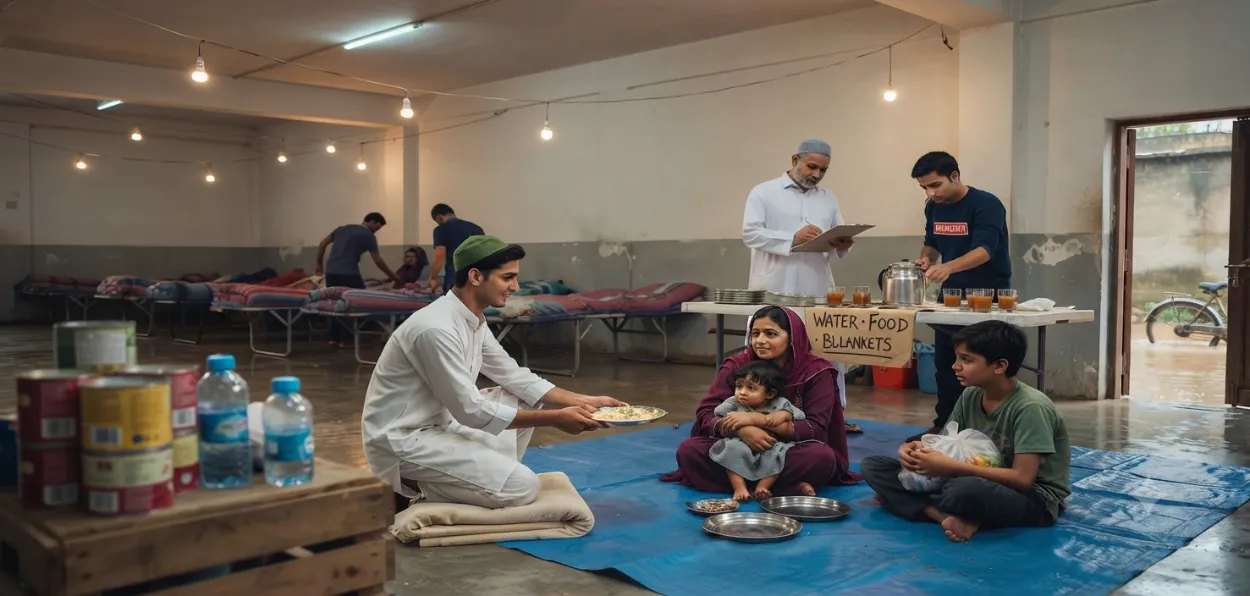
Another important responsibility is ‘protecting the weak and serving society.’ Islam places great emphasis on the rights of the poor, orphans, widows, elderly people and those who have little power. A successful independent nation should not be measured only by buildings, roads or economic growth, but also by how compassionately it treats those who struggle.
#WATCH | Poonch, J&K: Madarsa students take out a 'Har Ghar Tiranga' rally in Gundi Qazimora village. pic.twitter.com/KH2wYukzEl
— ANI (@ANI) August 13, 2026
Citizens, too, have responsibilities. Independence does not mean unlimited personal freedom without accountability. Muslims are encouraged to contribute positively to society, respect the law, protect public property, help neighbours and avoid actions that create hatred and division. Allah says, “And cooperate in righteousness and piety, but do not cooperate in sin and aggression.” (Qur’an 5:2).
Perhaps the greatest duty after independence is to preserve ‘unity’. Freedom achieved through sacrifice can easily be weakened by hatred, prejudice, selfishness and internal division. The Qur’an warns believers not to become divided and commands them to hold firmly together.
Independence, therefore, should not end with celebration. It should begin a new chapter of responsibility. The real question is not simply, “How did we gain our freedom?” but “What are we doing with it?”
ALSO READ: Kashmiris who played their role in India's freedom Movement
From an Islamic perspective, the answer should be justice, honesty, service, compassion, unity and accountability before Allah. A nation honours its independence when its freedom becomes a means of protecting human dignity and fulfilling the rights of its people. Freedom is a blessing, but every blessing carries a responsibility.