




Vidushi Gaur/New Delhi
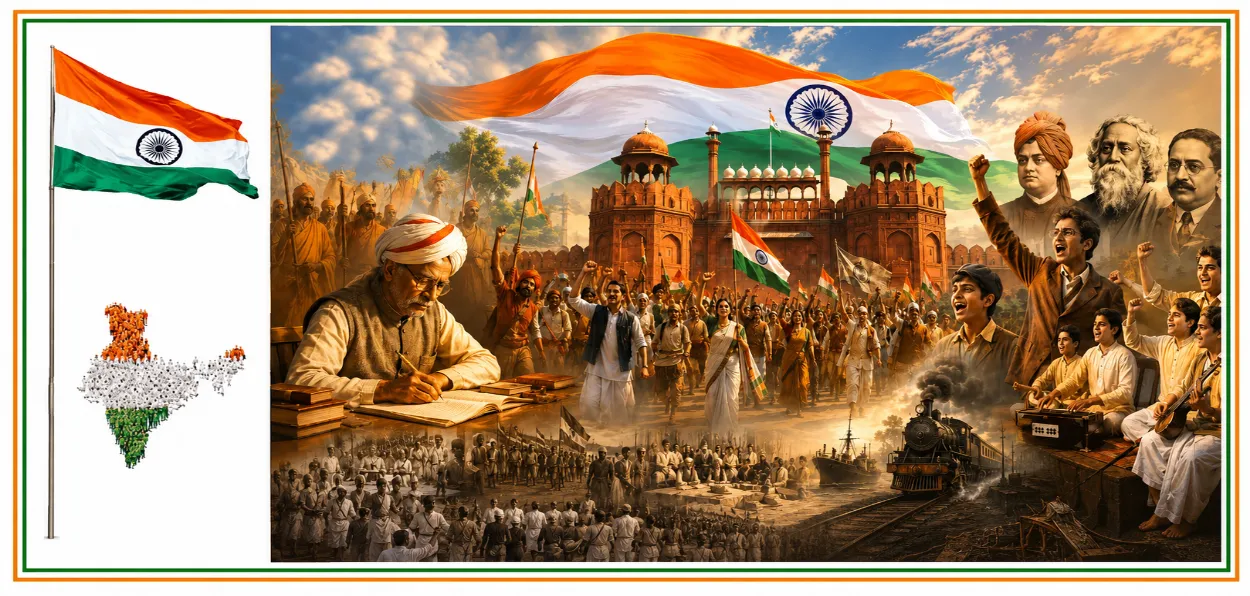
As the national song Vande Mataram is being sung for the first time at the Independence Day Function at Red Fort in Delhi, it's time to look at this iconic Sanskrit-Bangla composition in historic perspective. The song embodies a universal expression of love for the motherland. Written 150 years ago, it travelled from the pages of literature to political meetings, protests and revolutionary movements.
Here are 10 interesting facts about Vande Mataram:
1. Vande Mataram was written by Bengali writer and intellectual Bankim Chandra Chattopadhyay (Chatterjee). He was one of the most influential literary figures of 19th-century Bengal and is widely regarded as one of the pioneers of modern Indian literature. Vande Mataram was first published in the literary journal Bangadarshan on 7th November 1875 and later included in his immortal novel Anandamath (1882).
The expression Vande Mataram essentially means “I bow to thee, Mother” or “Salutations to the Mother.” The mother in the composition represents the motherland, portrayed through imagery of nature, prosperity and beauty.
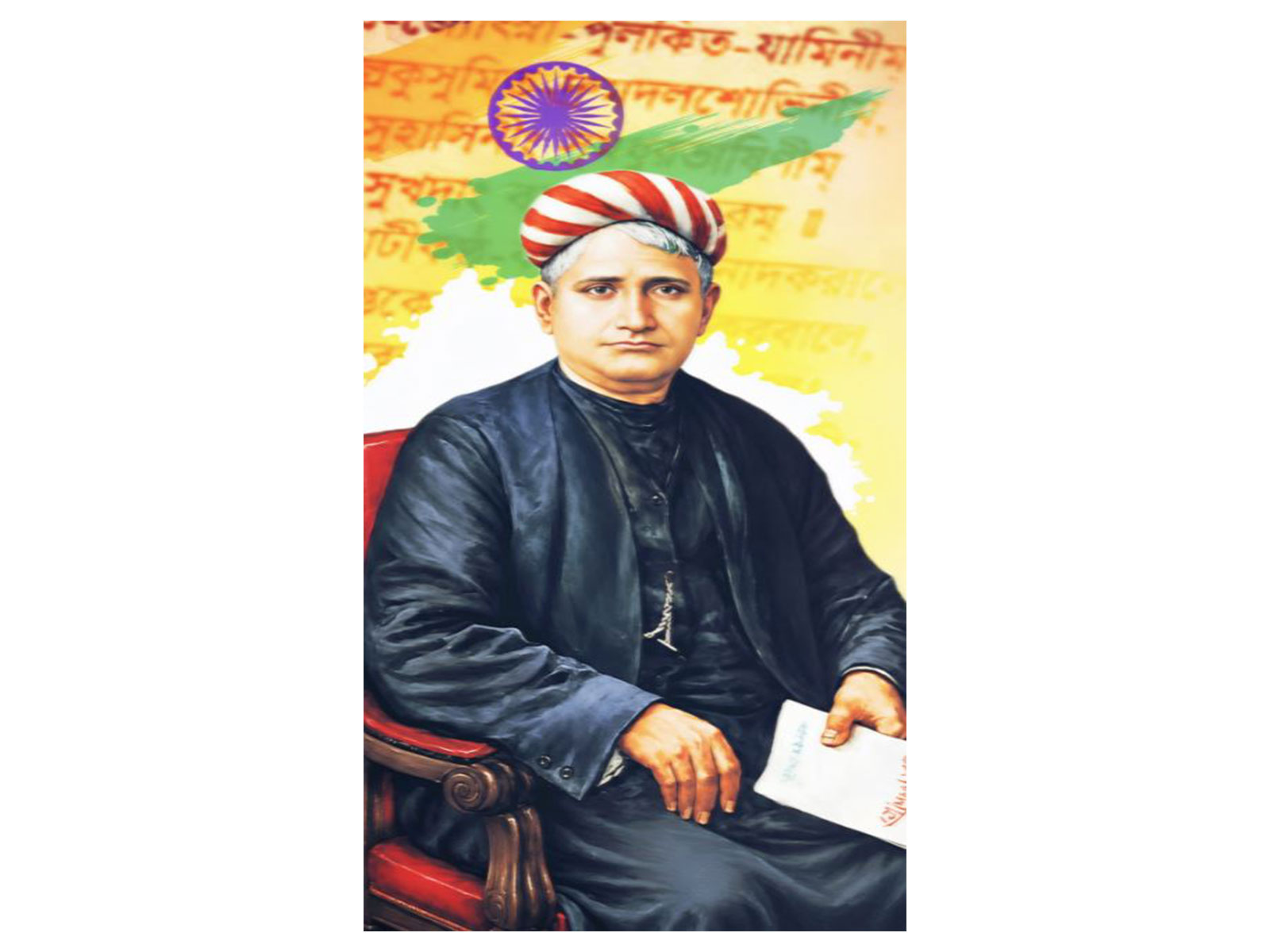 Bankim Chandra Chattopadhyay
2.The song became popular after being incorporated into Bankim Chandra’s celebrated novel Anandamath, published in 1882.
Set against the backdrop of the late 18th-century Sannyasi rebellion, the novel portrayed a group of ascetic warriors who challenged oppressive authority. Vande Mataram became an important part of the novel’s emotional and political landscape.
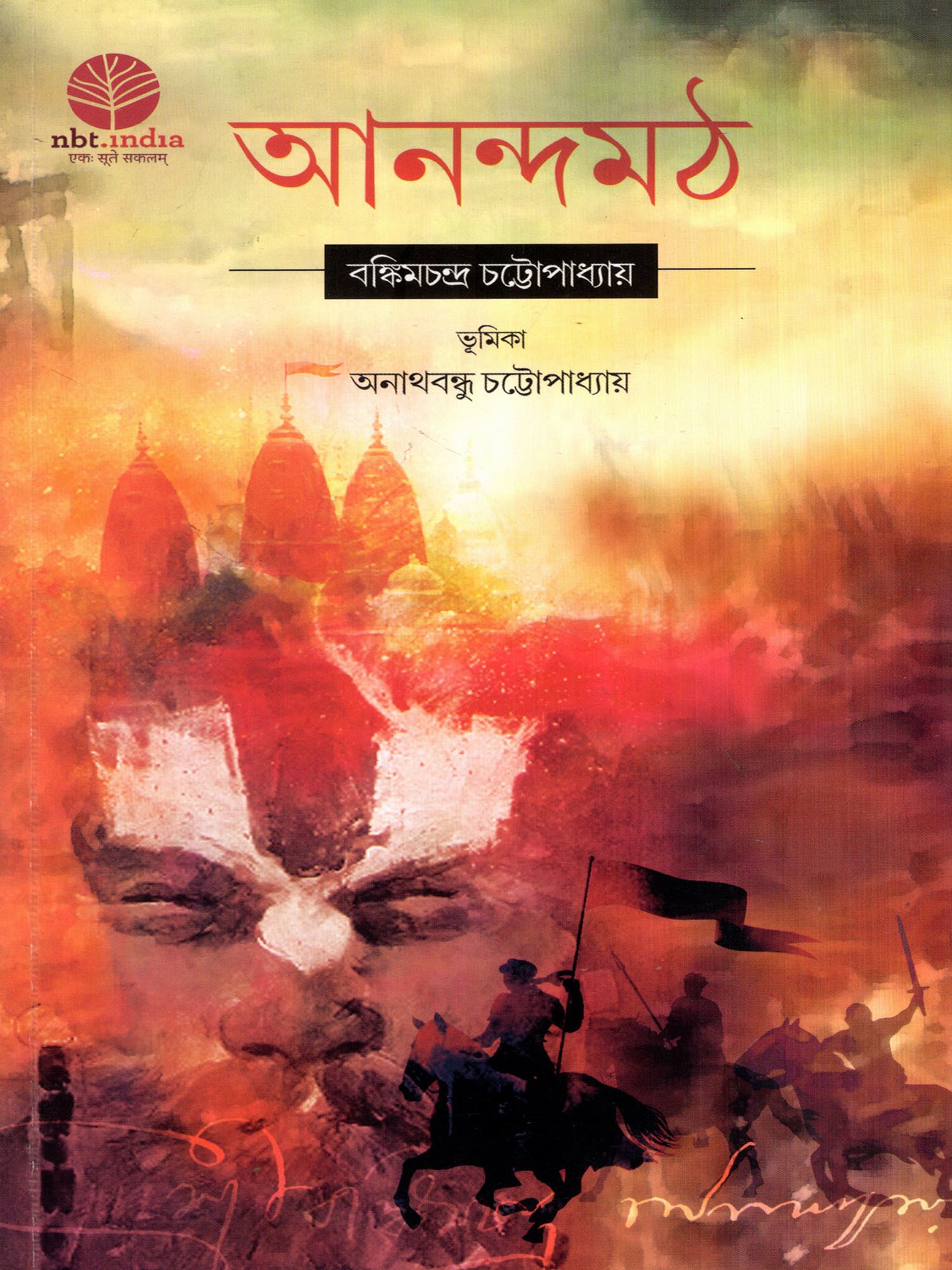 The cover of Bankim Chandra’s celebrated novel Anandamath
3.Vande Mataram consists of six stanzas (paragraphs) in its original form. However, only the first two stanzas are generally regarded as the National Song of India and are officially accorded that status.
The first two stanzas primarily celebrate the beauty, abundance and nurturing character of the motherland, while the later stanzas contain more religious and devotional imagery. Over time, the first two stanzas became the most widely sung portion of the composition, particularly in official and national contexts.
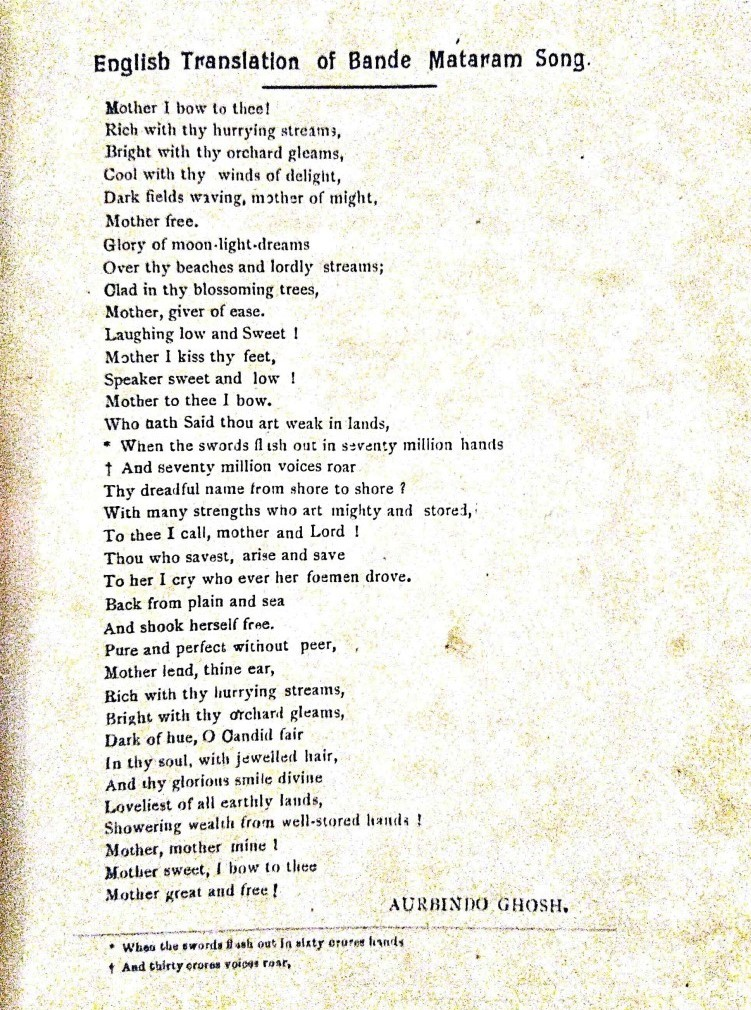 Vande Mataram lyrics translated in English
4. Vande Mataram received a major national platform when Rabindranath Tagore sang it at the 1896 session of the Indian National Congress in Calcutta.
Tagore’s association with the song helped introduce it to a wider political audience. Its appearance at a Congress session demonstrated how literature, music and emerging nationalism were becoming closely connected.
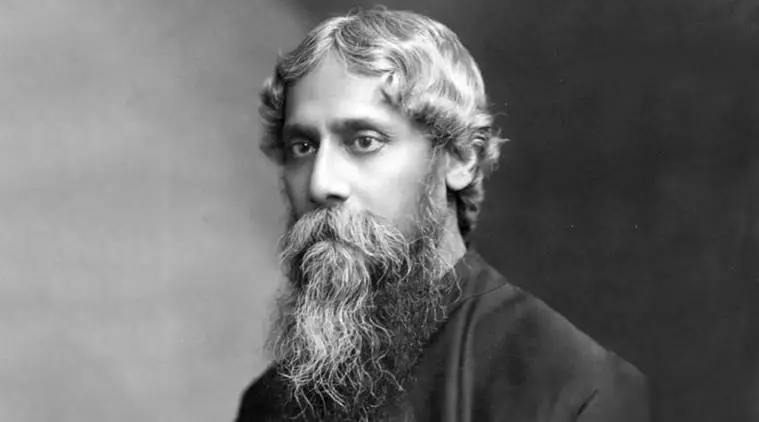 Rabindranath Tagore
5. The partition of Bengal in 1905 triggered widespread opposition and gave fresh momentum to the Swadeshi movement. During this period, Vande Mataram became one of the most recognisable slogans of resistance to colonial rule.
Both, Hindus and Muslims sang Vande Mataram at public meetings, demonstrations and political gatherings. For many participants in the movement, uttering the words became a way of publicly expressing their commitment to India’s freedom.
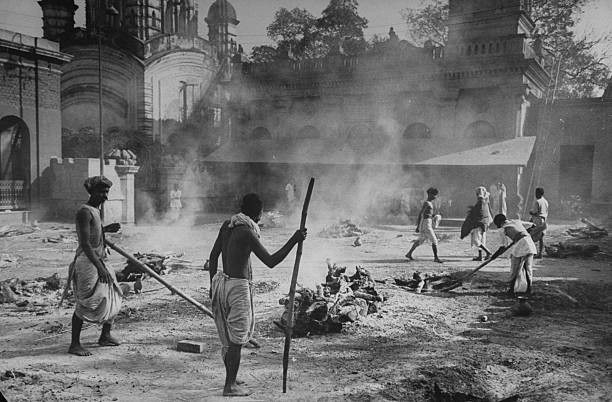 A picture from the partition of Bengal in 1905
7. Vande Mataram became the battle cry of resurgent nationalism, symbolising devotion to the motherland and resistance against colonial rule. The British recognised its ability to unite people, and in many places, banned its public singing or display.
Nationalist newspapers, political organisations and activists helped spread the expression across different parts of the country. It appeared in speeches, writings and political campaigns.
8. Mahatma Gandhi also acknowledged the special place Vande Mataram occupied in India’s national movement. The song was frequently heard at Congress gatherings and other nationalist events during the freedom struggle.
At the same time, the Congress leadership was conscious of the need to respect India's religious and cultural diversity. Some later portions of Anandamath contained imagery that could be interpreted differently by different communities.
 Mahatma Gandhi
This eventually led to discussions about which portions should be used at national gatherings. The first two stanzas, which focus largely on the beauty and qualities of the motherland, came to occupy a particularly important place.
9. On 24th January 1950,Dr Rajendra Prasad, the first President of India, announced that while Jana Gana Mana would be the National Anthem, Vande Mataram, for its key role in the freedom movement, would be honoured equally as the National Song.
READ MORE:Ex-Naxal tribal women walk down the ramp
10. The song was immortalized with its use in the 1952 movie Anandmath. The film is set in the events of the Sanyasi rebellion of the late 18th century in Bengal. Sung by Lata Mangeshkar and Hemant Kumar, in a BBC world service Poll conducted in 2003 across 165 countries,the Vande Mataram composed by Hemant Kumar was voted 2nd in the "World's Top Ten" songs of all time.







_(1).jpg)
_(4).webp)