Ariful Islam/Guwahati
Heads of 340 private madrasas in Assam have framed a set of rules and regulations for their institutions to function under the new system following the state government's decision to convert government-funded madrasas into regular schools, while allowing privately run, or Qawmi, madrasas to continue functioning.
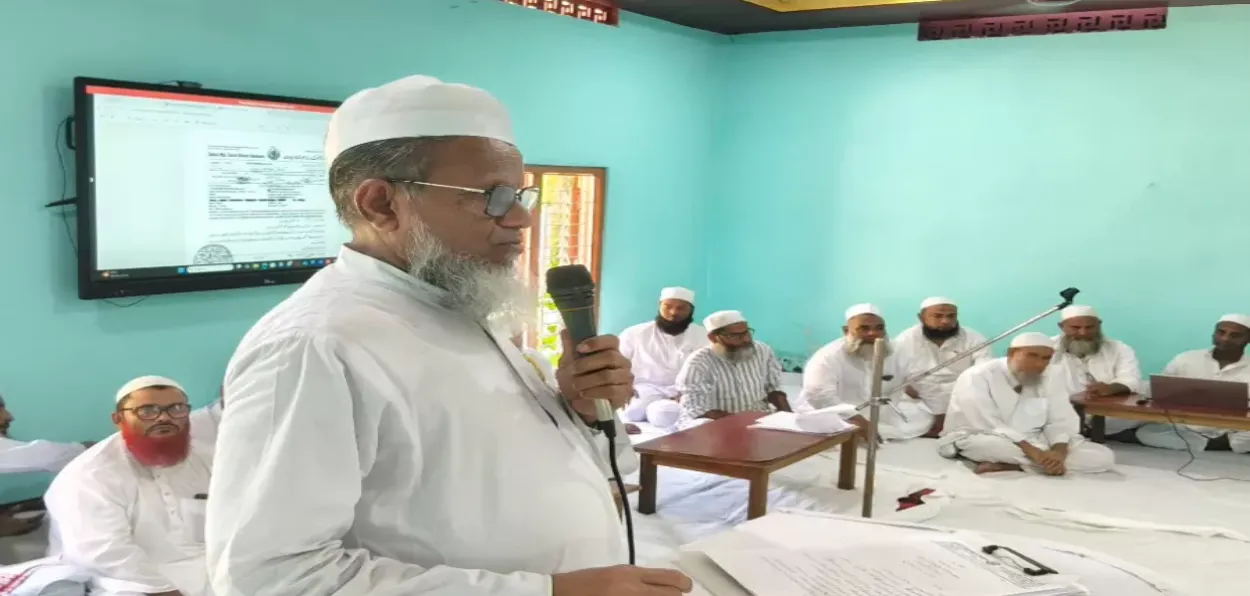
The decision was taken at the first review meeting of the All Assam Tanzim Madaris Qaumia Board, held at Nilbagan in Hojai, where representatives discussed a range of issues concerning the functioning and regulation of private madrasas.
The speakers called for strict compliance with government regulations as well as Shariah norms. They said registration of every madrasa should be mandatory and its functioning and finances should be transparent. The Board also warned that madrasas failing to comply with the prescribed rules would be expelled from the Tanzim Board.
According to a communiqué issued by the Board, private madrasas have been given one month to streamline their functioning and demonstrate compliance with the regulations.
Islamic scholar Maulana Nurul Amin Qasimi said, “There are many madrassas in Assam which are not complying with the conditions at all. A girls' madrassa must comply with all the government, legal and Shariah regulations. There are many incidents of non-compliance with the rules and regulations. Madrassas shall be managed within the rules and regulations laid down by the Tanzim Board. Otherwise, such madrassas will be expelled from the board.”
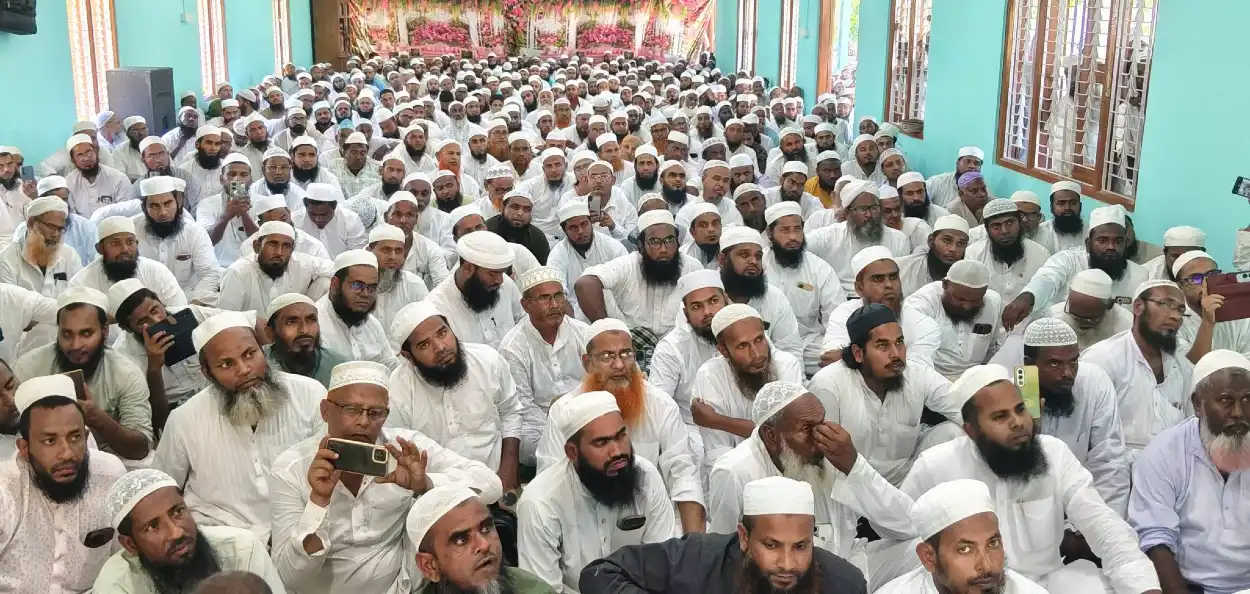
The Board has laid down several norms for privately run madrasas, particularly residential and girls' madrasas. These include having a properly walled hostel premises, issuing identity cards to residential students and regulating the movement of hostel residents.
Madrasa managements have also been asked to provide separate accommodation for grown-up students and not allow unauthorised guests to visit them. Students may keep basic mobile phones, but Android phones will not be permitted without prior permission.
For girls' madrasas, the Board said students would not be dismissed from the hostel without being handed over to their legal guardians.
Every Banat Madrasa, which caters to female students, must have a pair of Mohrim Zimmadars qualified to manage the institution in accordance with Shariah. At least three teachers must be engaged in teaching in each Banat Madrasa.
The Board has also prescribed adequate facilities for toilets, urination, ablution and prayers, proportionate to the number of students. It called for proper curtains within the madrasa premises and a healthy environment for students.
According to the norms, a full veil system in accordance with Shariah will be compulsory during teaching. Students will also be required to appear for examinations only at centres designated by the Tanzim Board.
The Board said 100 per cent of the prescribed hostel requirements must be met before a Banat Madrasa can establish residential facilities. Every residential madrasa will also be required to install CCTV cameras.
Residential students below the specified age limits must be provided with beds and appropriate accommodation facilities.
Assam's madrasa policy
The move comes against the backdrop of the Assam government's decision to withdraw state support for government-funded madrasa education. The Assam Madrassa Education (Provincialisation of Services of Employees and Re-organisation of Madrassa Educational Institutions) Act, 2018, was subsequently repealed under the Assam Repealing Act, 2020. The state's legislative records list the 2018 madrasa law among the repealed Acts.
The government's policy was to convert government-funded madrasas affiliated with the madrasa education system into regular schools, bringing their students and teachers into the mainstream school education framework. A Lok Sabha reply by the Union government clarified that private madrasas in Assam would continue to function, while the conversion decision applied to government-funded institutions.
Thus, the present system distinguishes between government-funded institutions that were converted into regular schools and privately managed madrasas, which continue to operate subject to applicable laws and regulations.
ALSO READ: At 25, Capt Haneef laid down his life for his men and country
Against this background, the Tanzim Board's decision seeks to bring the 340 private madrasas under a more clearly defined framework, with emphasis on registration, institutional transparency, student safety, hostel management and compliance with government and Shariah regulations.

.webp "Shrine of Bulbul Shah, Srinagar, J&K")









_(1).webp)