 Rajeev Narayan
India has added years to life, but not security to those years. As people live longer than ever before, retirement is quietly becoming India’s biggest financial and social challenge. It was once the final chapter of a career. Today, it may well be the longest chapter of life – and its most uncertain.
On the first working day of every month, crores of Indian parents perform the same quiet ritual. Before the newspaper is unfolded or the morning tea grows cold, they unlock a banking app, update a passbook, and look for one familiar entry: Interest Credit.
That small figure determines far more than a bank balance. It pays for medicines, groceries, electricity, a blood test, perhaps even the confidence to visit a doctor without first worrying about the consultation fee. It decides whether the ageing refrigerator can survive another summer, or whether there is enough left to slip Rs 500 into a grandchild’s hand without a second thought.
These are not reckless spenders. They are the generation that did everything they were told to do. They worked hard, saved diligently, avoided debt, built fixed deposits instead of chasing speculation, and welcomed retirement believing that prudence would guarantee security. Nobody warned them that retirement itself would change.
A Different Equation
There was a time when retirement lasted just about a decade. Life expectancy was lower, pensions were common, healthcare was still affordable, and families lived under one roof. Retirement was seen as the beginning of the ‘Golden Years’, not the beginning of a prolonged financial calculation.
That world has quietly disappeared. India’s average life expectancy has risen from 41 years in the 1960s to around 70 years today. By 2050, according to United Nations projections, nearly 35 crore Indians would be above the age of 60; roughly one in every five citizens. It is one of independent India’s greatest public health achievements. It is also becoming one of its greatest economic tests.
The problem is not that Indians are living longer. It is that the financial model built for retirement has lost the race with longevity. Nine out of 10 Indian workers serve a long time outside the organised sector, where there is no pension. FDs, the preferred investment of retirees, offer lower returns than they used to, while healthcare and household costs rise fast.
India may have prepared its people to live longer, but it has not prepared them to finance the extra years. The result is a tragic reversal. During working life, income grows while time appears limited. In retirement, time expands, but income often does not. Income retires at 60. Expenses never do.
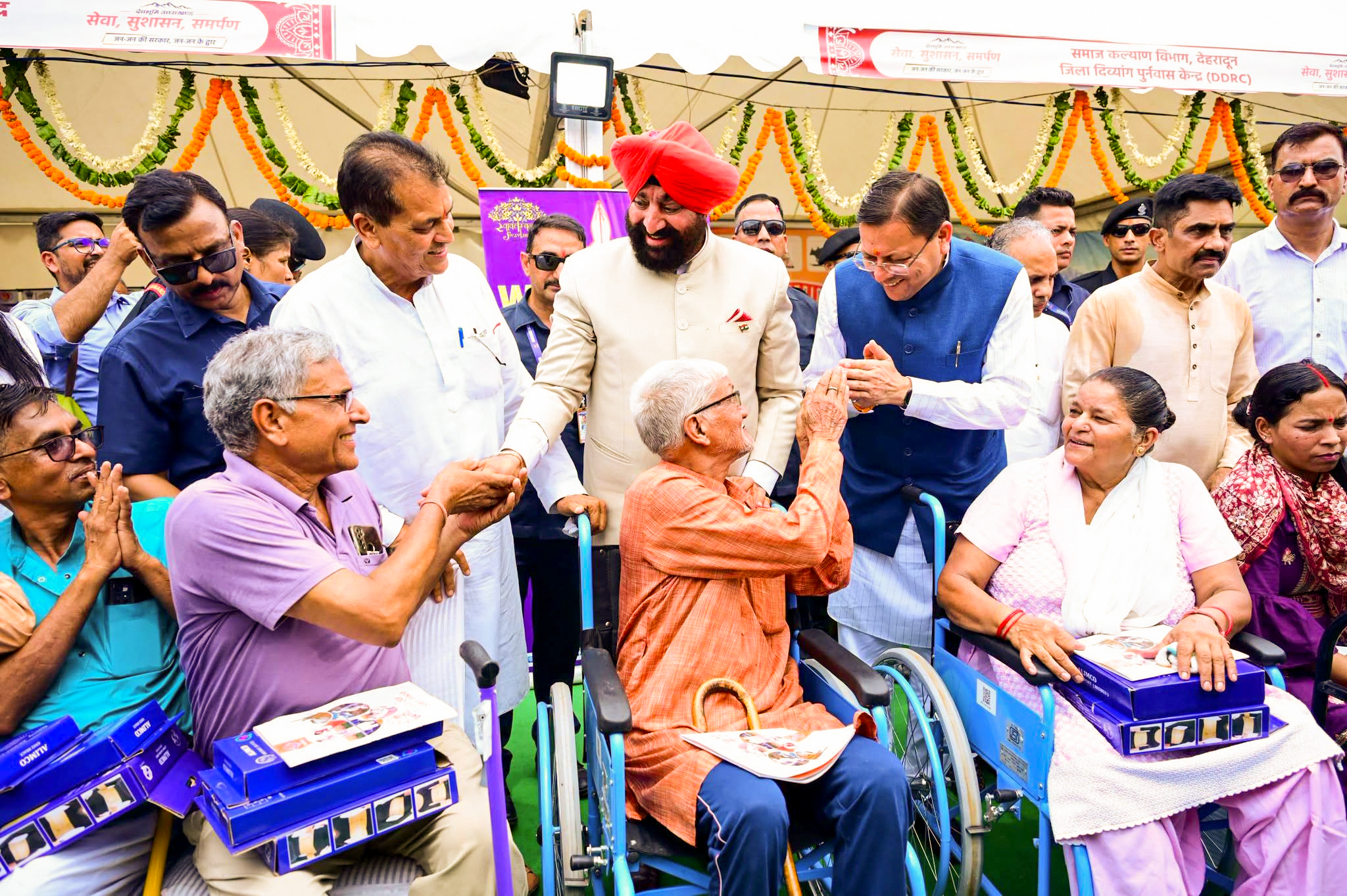 A function in Uttarakhand where elders are being honoured
The Math of Retirement
Consider a couple retiring at 60 with Rs 1 crore in lifetime savings, no pension and a home they own. To most Indians, Rs 1 crore still sounds like financial nirvana. Arithmetic tells a different story. At today’s FD rates of around 6.5-7 per cent, that corpus earns Rs 6.5-7 lakh a year, or about Rs 55,000-60,000 a month, before tax.
Compare that with expenses. Household outflows in a middle-class home consume Rs 40,000-50,000 monthly. Add medicines for diabetes or hypertension, health insurance premiums, diagnostic tests, domestic help, electricity, maintenance charges and occasional family obligations, and the monthly outgo can cross Rs 70,000. The gap is not dramatic in the first year. But it widens quickly.
At an annual inflation rate of 6 per cent, Rs 70,000 in monthly expenses would need to exceed Rs 2 lakh in 20 years just to maintain the same living standard. Retirement is no longer about putting together a corpus. It is about ensuring that the corpus can withstand three decades of inflation, uncertainty and rising medical costs.
And what of the events no retirement spreadsheet ever welcomes? Like a healthcare emergency and treatment in a private hospital, costing several lakh rupees? One illness is capable of wiping out years of interest income in just a few days; not because retirees planned poorly, but because modern medicine has become both more advanced and more expensive.
That is the new math of ageing. Living longer is now easier. Paying for those extra years is not.
Changing Rules
For decades, Indians had a simple financial formula: work hard, save wisely and invest safely. But the rules of retirement have changed. A generation ago, a retiree had a pension, lower life expectancy and a family that shared both home and expenses. Now, crores retire without a pension, live into their 80s and often do so in nuclear families where children work in another city, or another continent.
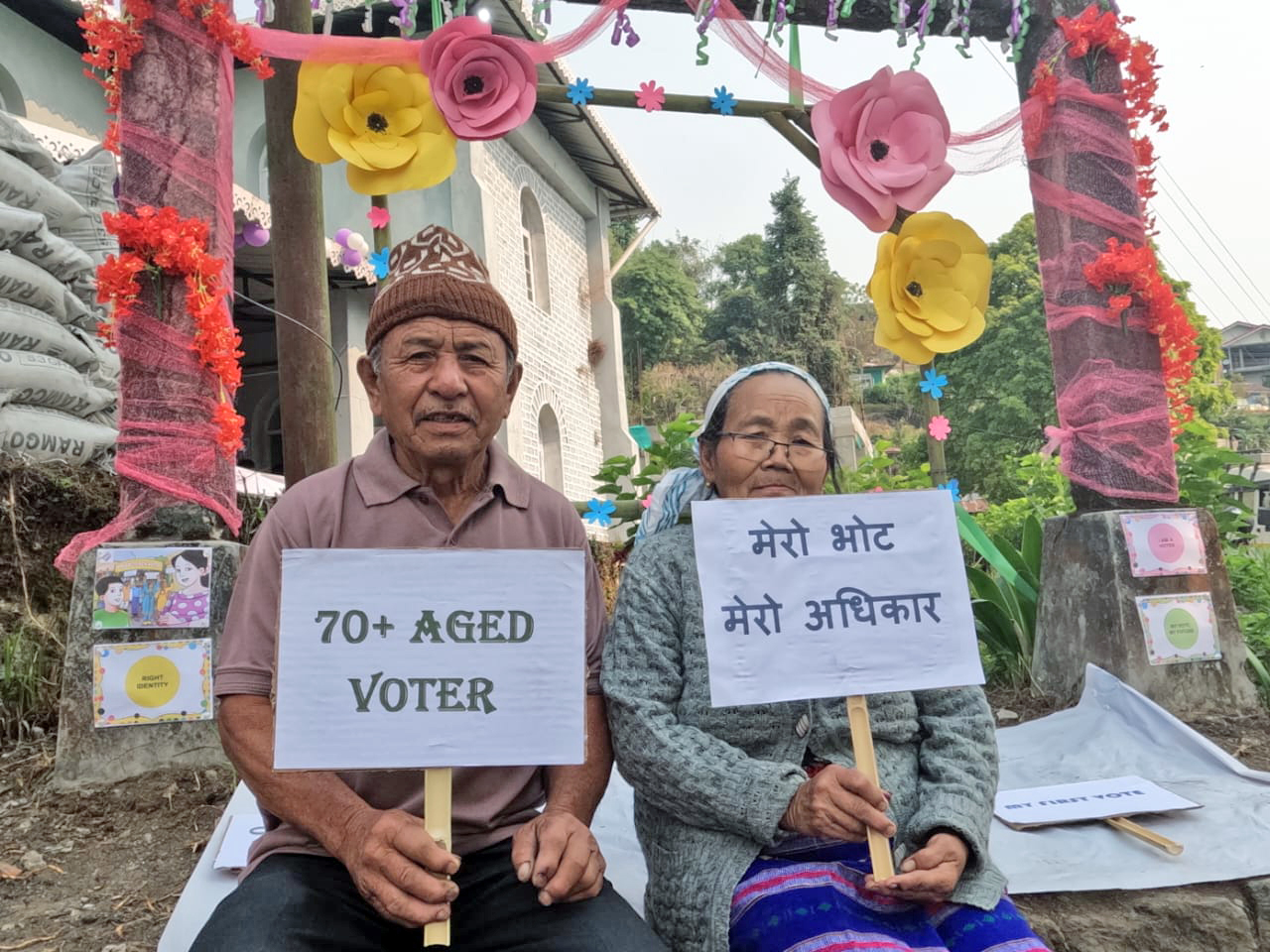 Aged Voters
Retirement is now a stage of life where income becomes finite, and uncertainty turns infinite. No one can predict where interest rates will be 10 years from now. No one knows how much medicines will cost in 2046, whether inflation will outpace savings, or how many years retirement itself will last.
Retirement is no longer about accumulating wealth, but about managing uncertainty. That is forcing many into decisions they never imagined – postponing elective medical treatment, delaying home repairs, reducing discretionary spending or dipping into the principal they had hoped to leave untouched. The real fear is not extravagance; it is erosion.
Different Old Age
Nothing reflects this transition more quietly than the emergence of senior living communities across India. Once seen as exceptions, they are steadily becoming part of the urban landscape. Some offer companionship, professional care and independence. Others exist because families, despite the best intentions, cannot provide daily support across cities and continents. Retirement today is no longer merely a financial milestone. It has become a social transition.
That is why the conversation can no longer be confined to personal savings alone. Pension reform, affordable healthcare, financial literacy, age-friendly housing, long-term care, taxation of retirement income and stronger community support are no longer isolated policy issues. Together, they define the quality of life for the fastest-growing segment of India’s population.
The Last Promise
The phrase ‘Golden Years’ still carries warmth. Yet, for crores of retirees, those years now arrive with quieter questions tagging along. Will the savings last? Will healthcare remain affordable? Will independence survive inflation? Will there be enough left after one serious medical emergency? These are not private anxieties. They are questions about the kind of society India is becoming.
ALSO READ: Ironically, online lies is a profitable business
Every generation inherits its defining economic challenge. For our parents, it was earning enough. For young families, it is buying a home. For those entering retirement, it may simply be ensuring that their savings outlive them. Quite simply, the greatest risk in retirement now is not running out of life. It is running out of money before life runs out.