Dr. Rahmatullah
India is known for social harmony, religious tolerance, and a rich cultural heritage. Despite differences of religion, language, customs, and traditions, diverse communities have lived together for centuries. However, communal tensions, religious extremism, separatism, regionalism, and linguistic prejudice pose serious challenges to national unity. In this context, the revival of shared cultural values, religious tolerance, and spiritual traditions is important. Sufis, saints, and sages have historically promoted humanity, love, peace, and mutual understanding.
Sufis played an important role as social reformers in medieval India. They opposed caste discrimination, religious prejudice, narrow-mindedness, hatred, and violence. Their teachings emphasised the unity of God, human equality, brotherhood, peace, and compassion. The influence of Sufism also contributed to the development of the Bhakti movement and left a deep impact on Indian society.
Sufi Sheikh Fariduddin Ganj-i-Shakar (1144-1266) was once offered a pair of scissors and he said, “Give me a needle instead, because I do not cut; I sew.” This expresses the Sufi ideal of bringing people together rather than creating divisions. Sufis and saints sought to establish a peaceful society based on love, goodwill, tolerance, and mutual respect.
Their social thought was based on the principle that all human beings are part of one community. They emphasised equality and brotherhood and sought to bring people closer through love and compassion. For many Sufis, a person's spiritual condition was more important than religious or social labels.
Love occupies a central position in Sufism. Sufis have considered their relation with Allah like the one between lovers. In their eyes, a Sufi is a lover (ashiq), and God is the beloved (mashuq). The idea of love is borrowed from the Quran, where the terms mahabbah, hubb, wudd, and muwaddah depict various types and gradations of love. Therefore, they regarded divine love as the highest spiritual goal and believed that love of God should produce compassion, tolerance, and love for all creation. A true Sufi therefore served humanity without discrimination.
🌹Hazrat Nizamuddin Auliya رحمۃ اللہ علیہ—Urs-e-Mubarak🌹#NizamuddinAuliya #UrsEMubarak #HazratNizamuddinAuliya #NizamuddinDargah #Delhi #Sufi #Sufism #Dargah #IslamicPost #Spirituality #Urs #Reels #ViralReels #islam #Islamic #Quran #Allah #Muslims #syedfahadhuss11 pic.twitter.com/EoadKoq4mE
— SM Fahad Hussain (@syedfahadhuss11) September 30, 2026
Sufis considered all human beings equal and devoted themselves to the service of humanity. They helped the poor, cared for the suffering, and welcomed people regardless of their religion, caste, or social status. They believed that discrimination based on religion, race, or caste was contrary to the divine will.
Khwaja Muinuddin Chishti (1143-1236) emphasised generosity, hospitality, and service to humanity. Sufis established langars and provided food and shelter to people without distinction. They listened sympathetically to people's problems and distributed gifts among the poor and needy. For them, serving humanity was itself a form of worship.
Sufis also generally respected different religious paths. Hazrat Nizamuddin Auliya (1238-1325) expressed this attitude through the idea that different people follow different paths, religions, and places of worship. Thus, they encouraged religious coexistence while remaining committed to their own faith.
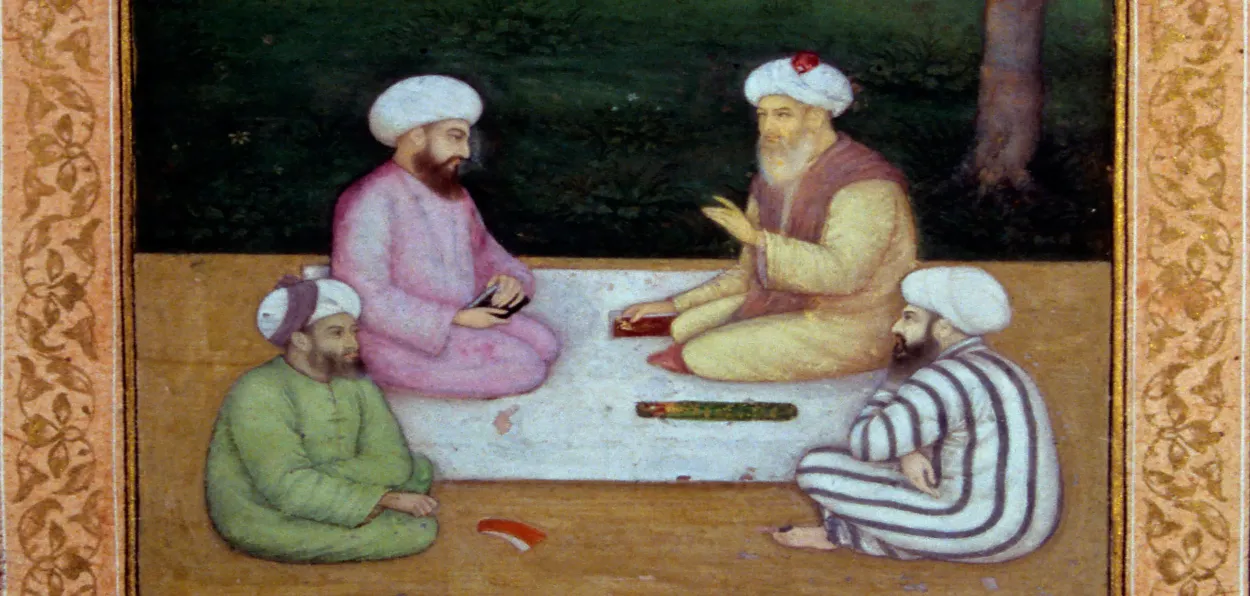
Sufis made significant efforts to promote social, linguistic, and emotional integration in Indian society. During medieval India, Sufi Khanqahs served as important spaces where people from different religions, social classes, and backgrounds came together. In Chishti khanqahs, Hindus and Muslims, yogis and qalandars, young and old, rural and urban people, and men and women could gather together. These khanqahs were centres of spiritual guidance and service to humanity.
The Khanqahs of Sufis such as Baba Farid, Syed Muhammad Gesu Daraz, and Nizamuddin Auliya became centres of goodwill, dialogue, and reconciliation. Their doors were open to everyone, regardless of wealth, social status, age, or background. Their simple and compassionate way of life strengthened their connection with ordinary people and increased the influence of their teachings.
Sheikh Hamiduddin Chishti lived a simple life in Nagaur, adopted a local lifestyle, spoke Hindavi, and declined the land grant offered by the Delhi Sultan. His simplicity and compassion attracted the local people.
Similarly, Syed Muhammad Ghaus Shattari welcomed both Hindus and Muslims equally at his khanqah in Gwalior. His broad-minded approach attracted followers such as the renowned musician Tansen. The Sufis of Kashmir also adopted local customs, food, and lifestyles, thereby helping to reduce social and religious barriers.
Sufis were generally free from linguistic prejudice. They used local languages to communicate their spiritual teachings. Hindavi became an important medium of interaction between Hindus and Muslims, while Sufis also contributed to Punjabi, Gujarati, Deccani, and Bengali literary cultures. Amir Khusrau recognised the value of different languages, while the teachings of Baba Farid were incorporated into the Guru Granth Sahib.
By adopting local languages, Sufis made their teachings accessible to ordinary people and promoted emotional and social integration. Practices such as qawwali, collective gatherings, and shared spiritual traditions further strengthened these bonds.
Some Sufi thinkers actively promoted intellectual and spiritual interaction between Hindus and Muslims. Figures such as Mian Mir, Dara Shikoh, Abd al-Rahman Chishti, and Mirza Mazhar Jan-i-Janan contributed to interreligious understanding. Their writings and teachings sought to identify common elements between Hindu and Islamic thought.
ALSO READ: Why is it important for Muslim organisations to do introspection?
Muhammad Ghaus Gwaliori's Bahr al-Hayat, based on the Sanskrit work Amrit Kund, brought together elements of Hindu yogic and Sufi traditions. Dara Shikoh's Majma-ul-Bahrain similarly explored parallels between the Upanishads and Islamic mystical thought. These works attempted to create an intellectual bridge between different spiritual traditions.
Dr. Rahmatull, is an Assitant Professor in the Department of Islamic Studies, AMU