Amir Suhail Wani
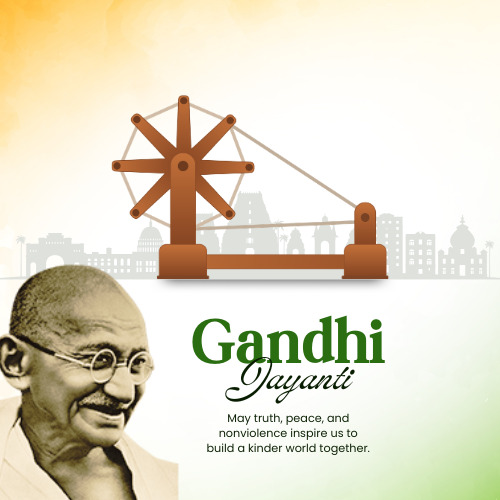
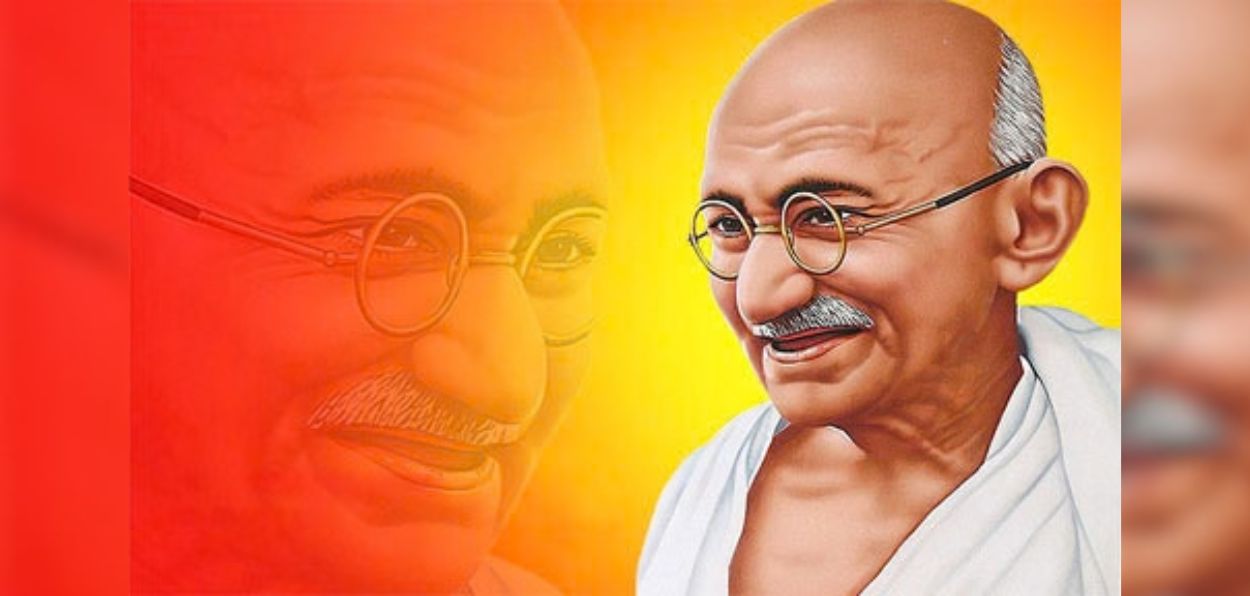
Every year, October 2 reminds India of Mahatma Gandhi. Schools organise programmes, government offices hold ceremonies, and newspapers write about his life and ideas. We remember his message of truth, non-violence, simplicity and service. But Gandhi Jayanti should not become merely a day to remember a great man of the past. It should also be an occasion to ask what Gandhi can teach India today.
India has changed enormously since Gandhi's time. We are now a young and ambitious country, connected to the world through technology, trade and social media. We have made remarkable progress in science, education, infrastructure and the economy, yet many of the problems Gandhi worried about remain in different forms.
Poverty and inequality continue to concern us; communal tensions sometimes disturb social harmony, public debate can become bitter, and growing consumerism is putting pressure on our environment. In such circumstances, Gandhi's ideas remain worth revisiting.
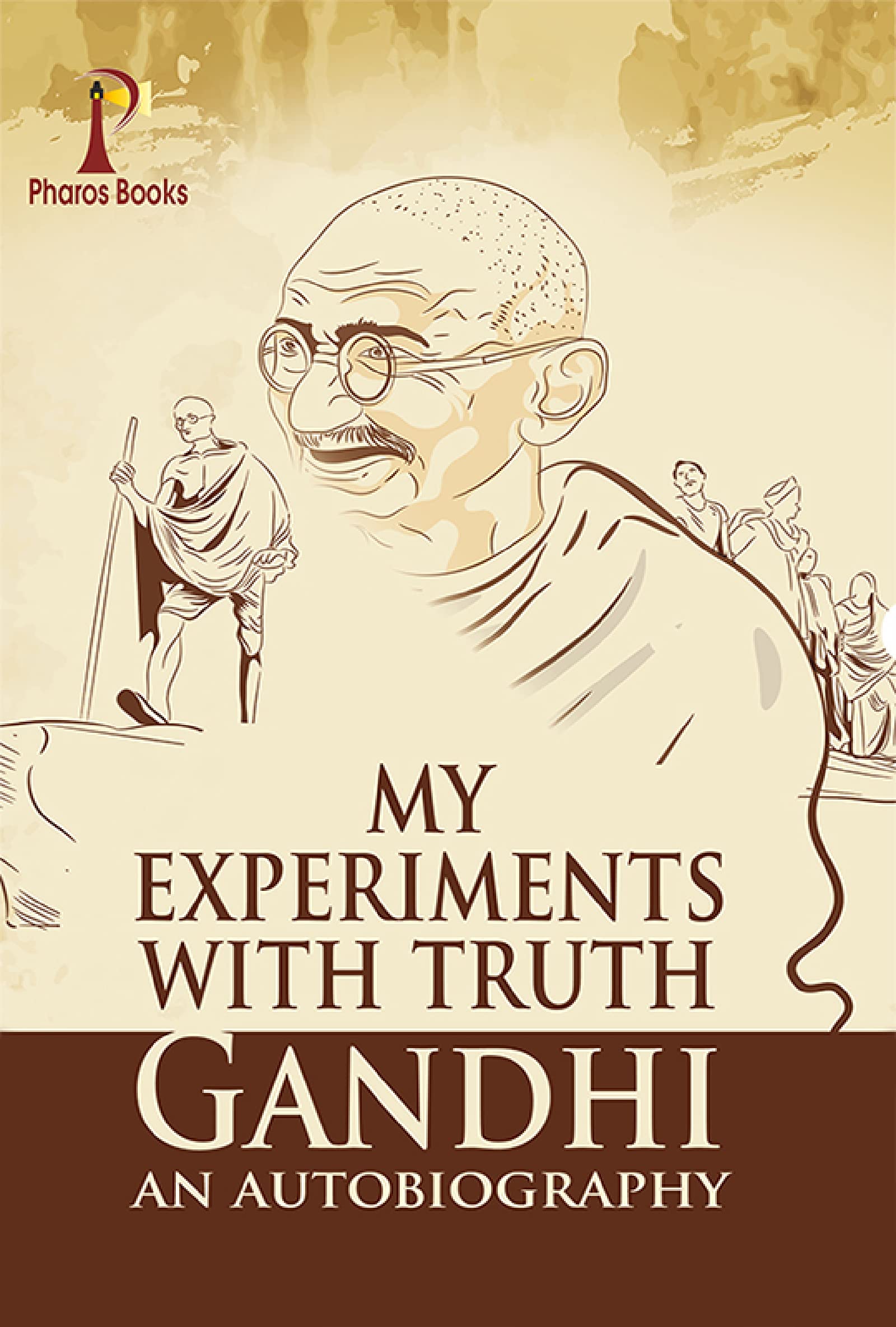
Perhaps Gandhi's first lesson is truth. He did not regard truth simply as speaking the opposite of a lie; he considered it a way of life. His autobiography, The Story of My Experiments with Truth, reflected his belief that a person should constantly examine his own thoughts and actions and have the courage to correct himself.
This is particularly important in the age of social media, when thousands of messages, photographs, videos and opinions reach us every day. Everything that reaches us is not necessarily true, and false information can spread within minutes, creating fear, anger and hatred.
Gandhi would probably ask us to pause before believing or forwarding something.
Closely connected with truth was his belief in non-violence. Non-violence did not mean weakness or silence in the face of injustice; Gandhi himself led powerful movements against British rule. His point was that injustice could be resisted without hatred. This has particular relevance for a democracy like India, where disagreement is inevitable. We may disagree about politics, religion, economics or culture, but disagreement need not become hatred.
Social media often encourages people to use words they would never use in a face-to-face conversation. Gandhi reminds us that we can strongly oppose an idea without insulting the person who holds it.
This spirit is especially important in a diverse country like India. India has always been home to different religions, languages, cultures and traditions, and Gandhi understood that national unity could not be built by making everyone identical. His commitment to Hindu-Muslim unity was an important part of his public life.
His message remains relevant: national unity does not require uniformity. People can remain loyal to their own faith and culture while respecting those of others. We do not have to agree on everything to live together as fellow citizens.
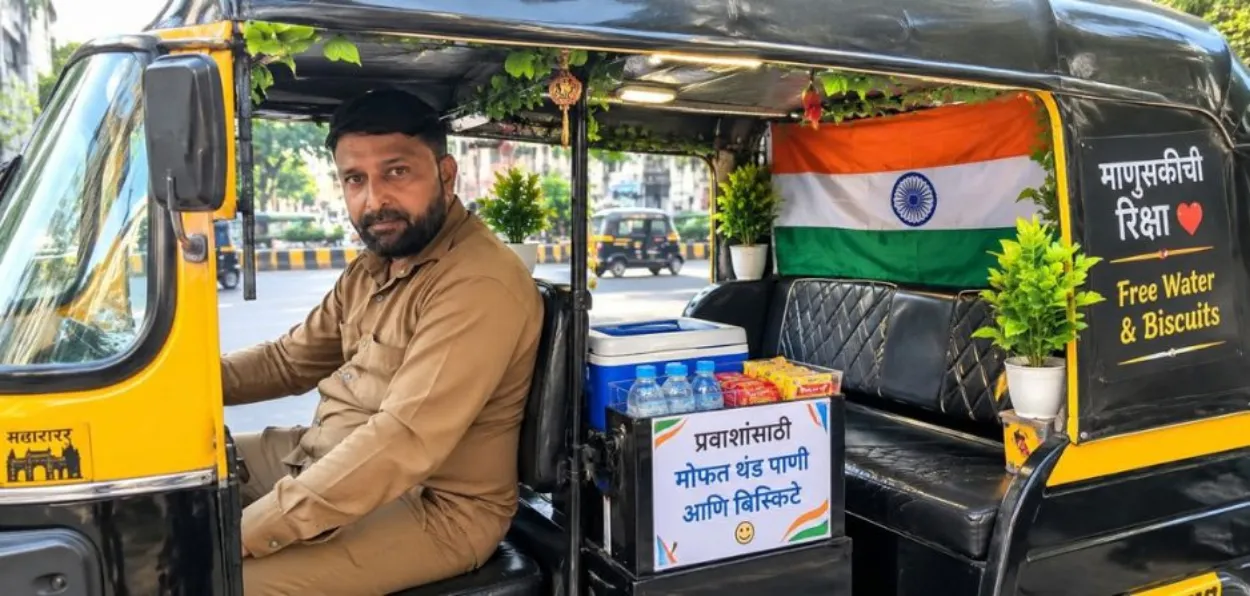
Gandhi's belief in the dignity of labour is equally relevant. He rejected the idea that some forms of honest work were beneath human dignity and gave particular importance to sanitation. Today, while we proudly speak about India's economic and technological progress, millions of workers continue to perform difficult jobs that make our lives comfortable.
Sanitation workers, domestic workers, agricultural labourers, construction workers, drivers and countless others contribute to society in ways that often go unnoticed. A truly modern society must respect every honest worker. The same principle applies to cleanliness. Gandhi believed that cleanliness was not simply the responsibility of governments or municipal workers but of every citizen.
 We cannot complain about dirty surroundings while throwing garbage on roads or treating public spaces as somebody else's responsibility. Citizenship begins when we accept responsibility for the space we share with others.
Gandhi's emphasis on simplicity also deserves attention in an increasingly consumerist society. There is nothing wrong with people wanting better houses, education, healthcare and opportunities. But modern life often encourages us to believe that happiness depends upon constantly buying more. Advertisements and social media can make us feel incomplete unless we possess the latest phone, car, clothes or lifestyle.
Gandhi's idea of simple living was not a call for poverty; it was a reminder to distinguish between needs and wants. In a world facing pollution, climate change and growing waste, that distinction has acquired fresh importance.
His idea of Swadeshi can similarly be understood in contemporary terms. India need not reject globalisation, but it can remain connected with the world while supporting its farmers, artisans, small businesses and local entrepreneurs.
Economic progress becomes meaningful when its benefits reach ordinary people. Gandhi's most difficult lesson, however, may be self-discipline. We often want society to change without examining ourselves.
We complain about corruption while sometimes being willing to offer or accept a bribe; we complain about dirty streets while throwing garbage ourselves; we demand respect while speaking disrespectfully about others. Gandhi believed that social change begins with the individual. Before asking what others should do, we should ask what we ourselves can do differently.
Gandhi also offers us a different understanding of leadership. Today leadership is often associated with power, wealth, popularity and visibility. Gandhi's influence came largely from his willingness to live simply, meet ordinary people, share their difficulties and make personal sacrifices. For him, leadership was closely connected with service.
This idea extends far beyond politics: a teacher who inspires a child, a doctor who treats a poor patient with compassion, a civil servant who listens to citizens, a journalist who speaks truthfully and a citizen who helps a neighbour are all practising forms of leadership. Gandhi was not a perfect human being, and his ideas and actions have rightly been debated and criticised.
Remembering him does not require us to accept everything he said; it requires us to continue examining the questions he raised about truth, violence, poverty, dignity, religion, power and responsibility. This Gandhi Jayanti, therefore, we might look beyond ceremonies and speeches and ask what we can carry into our daily lives. Can we be a little more truthful? Can we disagree without hatred? Can we respect people whose work is often ignored?
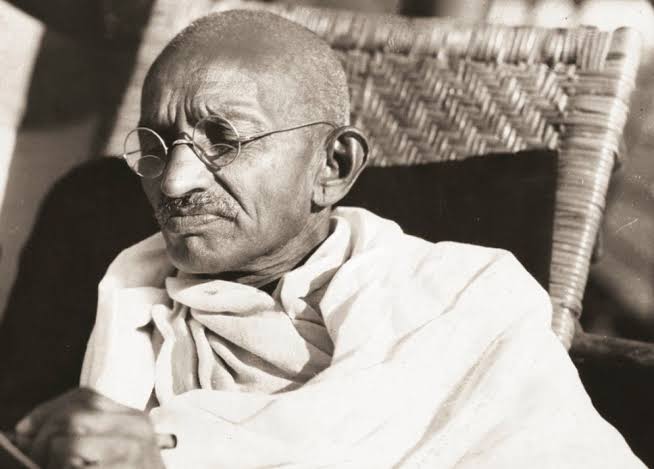
Can we consume more responsibly and take greater responsibility for our surroundings and actions? Gandhi's photographs, statues and memorials will continue to remind India of his place in history, but his real legacy will survive only when his ideas enter our everyday lives.
ALSO READ: 10 books that explored the Mahatma’s life and ideas
Perhaps the greatest tribute to Gandhi on October 2 is not another speech about him, but a small change within ourselves. Great changes, after all, can begin with very simple acts—and contemporary India may need that lesson more than ever.