




Mahfooz Alam/Patna
Today, the Muslim community faces several pressing challenges—access to quality education, professional skills, employment, technological advancement and meaningful representation in national institutions. In such a scenario, khanqahs can no longer remain confined to spiritual guidance alone. They are increasingly expected to nurture modern education, scientific temper, leadership and a sense of national responsibility among the younger generation.
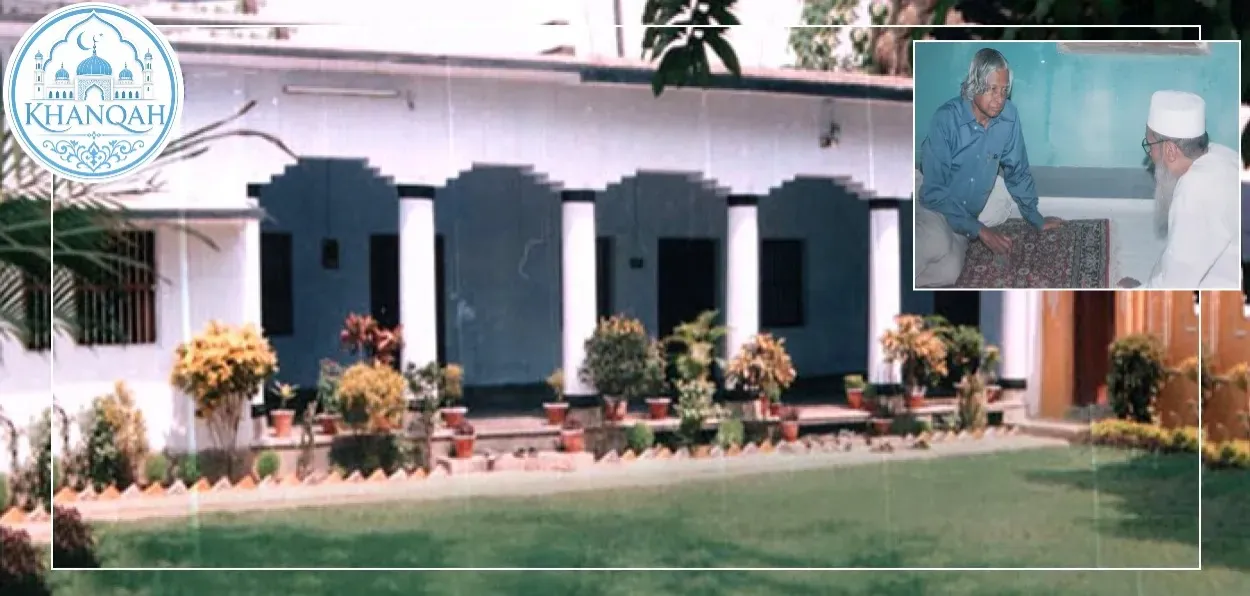
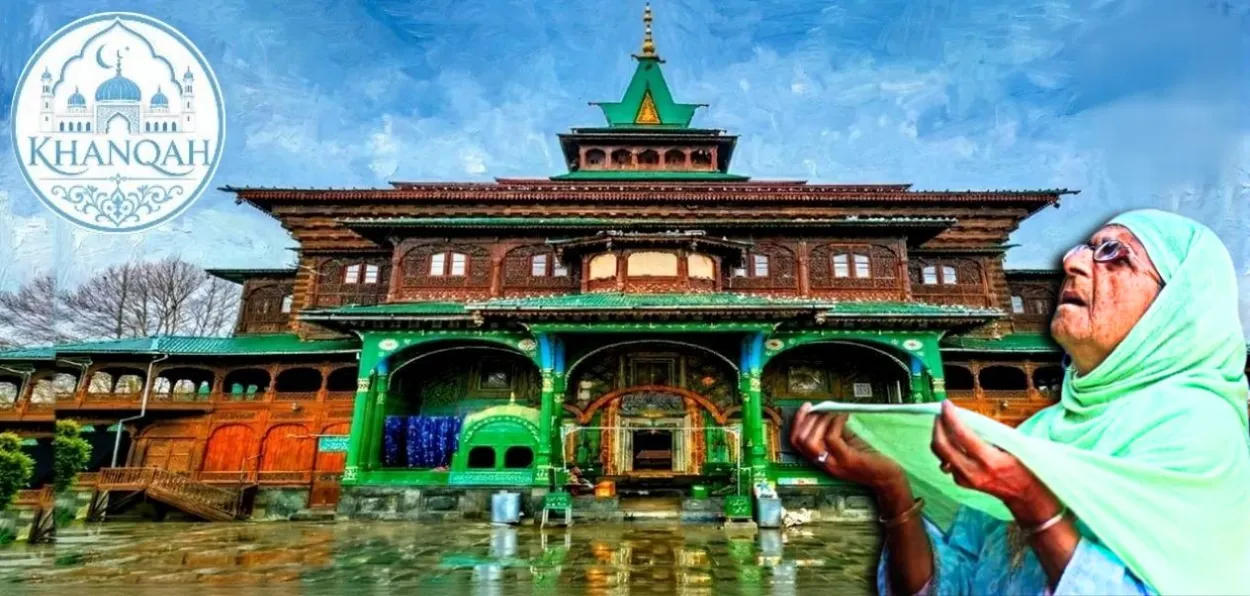
Khanqah Rahmani in Munger, Bihar, exemplifies this evolving role. Alongside religious instruction, it has systematically promoted modern education, enabling talented students from economically weaker backgrounds to gain admission to premier institutions and build successful careers.
Its flagship initiative, Rahmani 30, has demonstrated that with proper mentoring, coaching, and support, students from underprivileged families can secure admission to IITs, NITs, medical colleges, Chartered Accountancy and other prestigious professional courses. What began in Munger has now expanded to Patna and several other parts of the country.
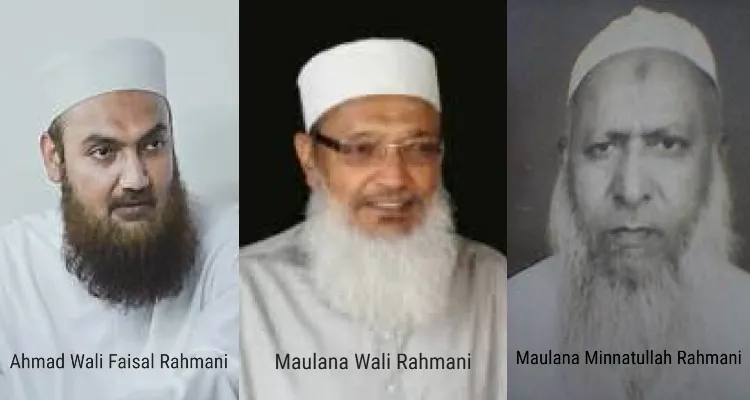 The visionaries who shaped Khanqah Rahmani
Khanqah Rahmani was founded in 1901 by the eminent scholar, reformer and one of the founders of Darul Uloom Nadwatul Ulama, Hazrat Maulana Mohammad Ali Mungeri. From Munger, he launched a movement dedicated to religious, moral and educational reform.
Maulana Mungeri believed that the uplift of the Muslim community required more than sermons. He linked religious reform with education, character-building and intellectual awakening. Opposed to sectarian disputes, he advocated unity, moderation and social harmony.
Well ahead of his time, he recognised that modern education was essential for the community's progress. At a time when English education faced widespread opposition, he encouraged Muslims to embrace contemporary knowledge without compromising their religious identity. This farsighted approach became the foundation of Khanqah Rahmani's educational philosophy.
The Golden Era
After Maulana Mohammad Ali Mungeri's demise, his son Hazrat Maulana Minnatullah Rahmani assumed the position of Sajjada Nashin and ushered in what is widely regarded as the institution's golden era.
He transformed Jamia Rahmani into a well-organised centre of Islamic learning by strengthening its curriculum, teaching methods and academic structure while placing equal emphasis on moral and character development. Under his leadership, Jamia Rahmani earned recognition as one of India's leading Islamic educational institutions.
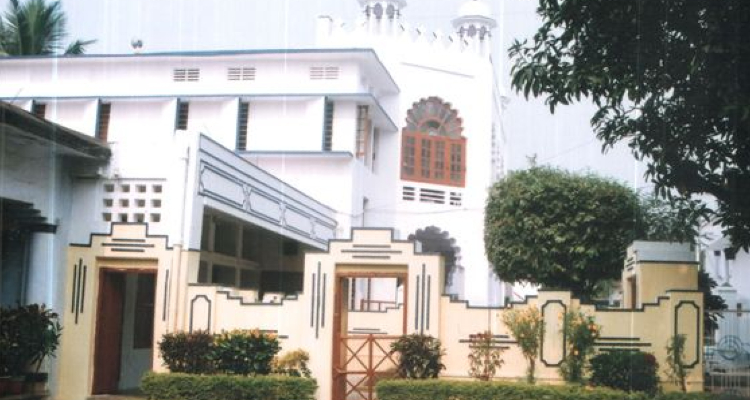 Khanqah Rahmani
His contribution extended beyond education. Through various reform initiatives across Munger and neighbouring areas, he strengthened religious awareness and community life. During Ramadan, Huffaz from Jamia Rahmani were regularly deputed to mosques across the region to lead Taraweeh prayers, deepening the tradition of Qur'anic recitation and spiritual engagement.
Expanding the Mission
Following his death in 1991, Hazrat Maulana Mohammad Wali Rahmani carried forward the legacy while adapting it to contemporary needs. Under his leadership, Khanqah Rahmani expanded its work in education, social welfare, public service and intellectual development.
He believed education should produce not merely academically successful students but responsible citizens with strong moral values. Accordingly, Jamia Rahmani integrated calligraphy, reading habits, leadership training, public speaking, writing skills and awareness of contemporary issues into its curriculum, encouraging the holistic development of students.
After the passing of Maulana Mohammad Wali Rahmani in 2021, his eldest son Maulana Ahmad Wali Faisal Rahmani became the Sajjada Nashin.
He expanded the institution's educational and scholarly activities. He consistently emphasises that the Muslim community's priority must be quality education. According to him, education is the foundation of progress, self-confidence and a dignified future, making educational awareness, intellectual growth and character-building central to Khanqah Rahmani's mission.
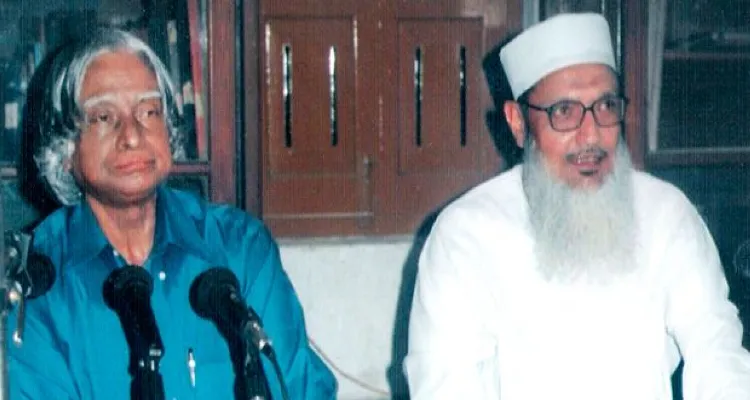 The founder of Khanqah Rahmani with President APJ Abdul Kalam
The institution's work received national recognition in 2003 when former President and renowned scientist Dr A.P.J. Abdul Kalam visited Khanqah Rahmani in Munger and appreciated its spiritual environment, educational initiatives and social service.
Institutions Under the Rahmani Banner:
Khanqah Rahmani's activities are carried out through several specialised institutions:
Rahmani Mission: Promotes education, social welfare and career guidance while helping talented students pursue higher education.
Rahmani Foundation: Undertakes educational, welfare and public service programmes for disadvantaged sections of society.
Rahmani School of Excellence: Provides modern education integrated with character-building, moral values and leadership training.
Khanqah Rahmani: Continues its century-old mission of spiritual guidance, moral reform and service to humanity.
Jamia Rahmani: A premier institution for higher Islamic studies and research in Fiqh, Hadith, Tafsir and Arabic, preparing future scholars and religious leaders.
Rahmani 30: Transforming Lives
Inspired by the Super 30 model, Rahmani 30 has grown into one of the country's most prominent educational initiatives for disadvantaged students. It prepares candidates not only for IIT entrance examinations but also for NITs, Chartered Accountancy, medical colleges and several other competitive professional courses, producing impressive results every year.
The programme now operates in Patna, Hyderabad, Bengaluru, Maharashtra and Aurangabad under the leadership of Fahad Rahmani, CEO of Rahmani 30 and son of Maulana Mohammad Wali Rahmani.
According to Fahad Rahmani, the institution's mission extends beyond academic success to developing future leaders. He says Rahmani 30 plans to establish centres across every state in India so that many more deserving students can benefit from quality coaching and mentorship.
ALSO READ: Khanqah Munemia keeps the Sufi tradition of service alive
He notes that India has nearly one lakh IIT seats, yet Muslim students occupy only a small fraction of them—around 2,000 by his estimate. The institution aims to substantially increase that representation, believing that IITs produce many of the country's future innovators, entrepreneurs and global business leaders. Enabling greater participation in these institutions, he says, is central to Khanqah Rahmani's vision of empowering the community through education.











.webp)