Shampi Chakraborty Purkayastha
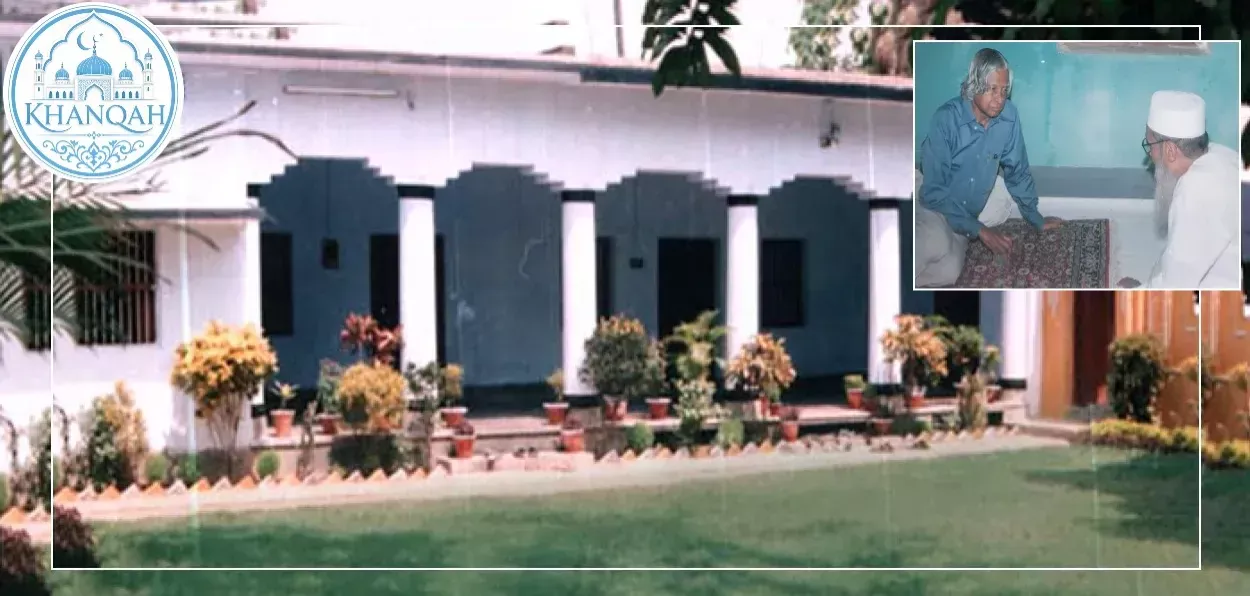
Furfura Sharif, a small locality in the Jangipara Block of Hooghly district, is recognised throughout eastern India as one of the most important Sufi pilgrimage centres. Every year, hundreds of thousands of people come here to offer prayers, fulfil vows, or seek spiritual peace. However, Furfura Sharif is much more than a shrine or a venue for religious gatherings. It's a historic khanqah—a traditional Sufi institution where spiritual practice, religious education, social service, and the cultivation of human values have continued for generations.
The word khanqah originates from Persian. During the medieval period, Sufi saints established spiritual centres where they lived with their disciples and engaged in the remembrance of Allah, zikr, religious instruction, self-purification, and service to ordinary people. These centres came to be known as khanqahs. With the arrival of Sufi saints in the Indian subcontinent from the twelfth century onward, this tradition spread widely. In Bengal as well, khanqahs were established in various places and gradually came to play an important role in the social and religious life of the region.
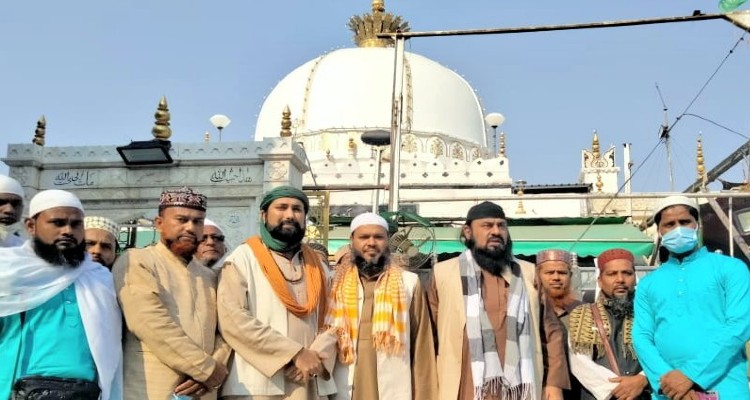
The modern identity of Furfura Sharif is closely associated with the distinguished Islamic scholar and social reformer Abu Bakr Siddiqi. During the late nineteenth and early twentieth centuries, he placed special emphasis on the spread of religious education, ethical living, opposition to superstition, and social reform. Through his efforts, Furfura Sharif emerged as an influential religious and social centre. Even today, his successors continue to oversee its spiritual and social activities.
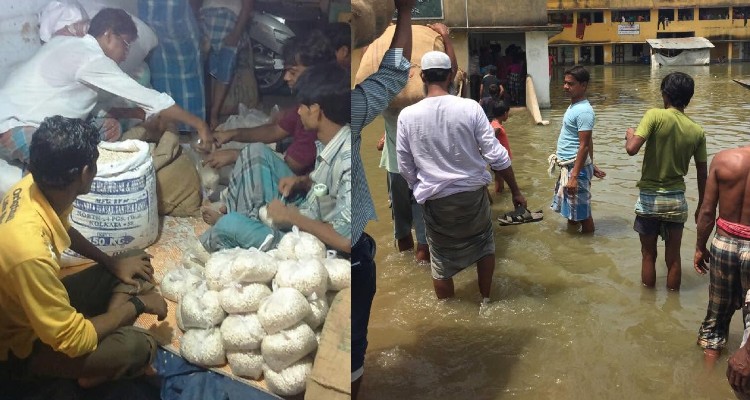
Every year, according to the Islamic calendar, the Urs Sharif is observed here. On this occasion, devotees gather at Furfura Sharif not only from different districts of West Bengal but also from Bihar, Jharkhand, Assam, Odisha, and Bangladesh. The observance includes religious discourses, Qur'an recitation, prayer assemblies, and other spiritual programs. The large gathering also has a significant impact on local trade, transportation, and the small-scale economy.
Another distinctive feature of Furfura Sharif is its long-standing tradition of communal harmony. According to residents, many non-Muslim visitors also come here and make vows. The humanistic ideals of Sufism promote mutual respect, compassion, and peace among people rather than religious division.
For this reason, Furfura Sharif has long been regarded as an important symbol of communal harmony in Bengal.
Historians, however, point out that despite being such a significant Sufi centre, much of Furfura Sharif’s history, manuscripts, old documents, and oral traditions have not yet been adequately documented. Initiatives aimed at research, preservation, and the creation of digital archives could help safeguard this heritage for future generations.
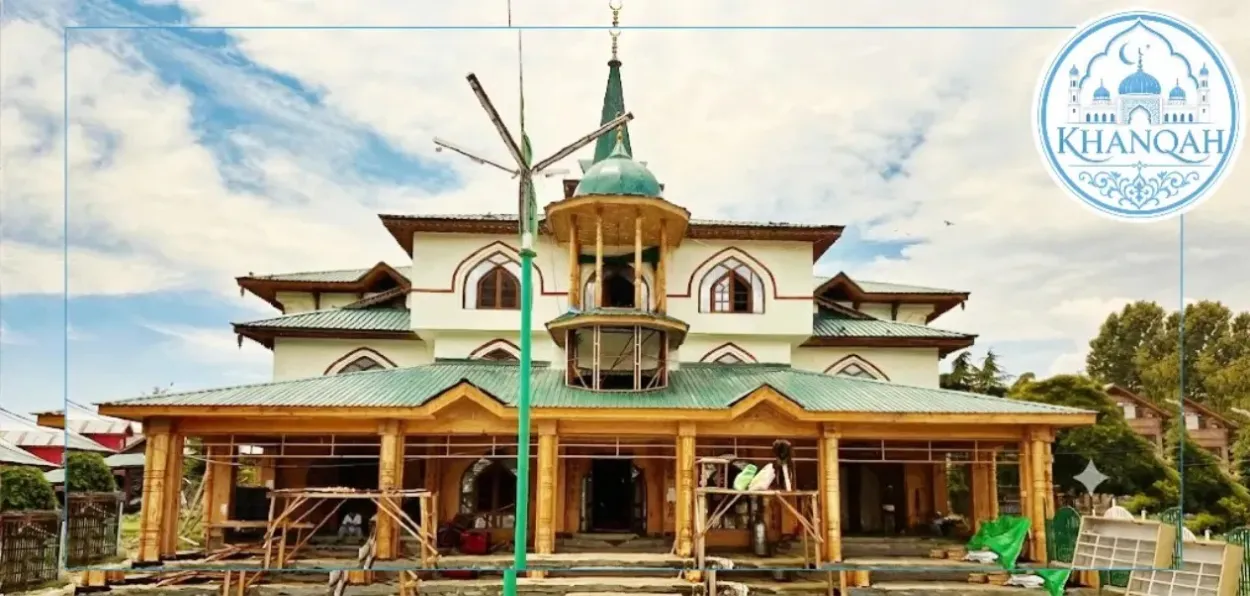
ALSO READ: Bulbul Shah: The first Sufi of Kashmir and his historic shrine
In today’s rapidly changing society, the khanqah of Furfura Sharif is far more than a religious institution. It is a living repository of Bengal’s history, culture, social service, and humanitarian values. For more than a century, this centre has continued to impart the ideals of love, compassion, and spirituality, making it an invaluable part of Bengal’s cultural heritage.








.webp "Shrine of Bulbul Shah, Srinagar, J&K")