Eman Sakina
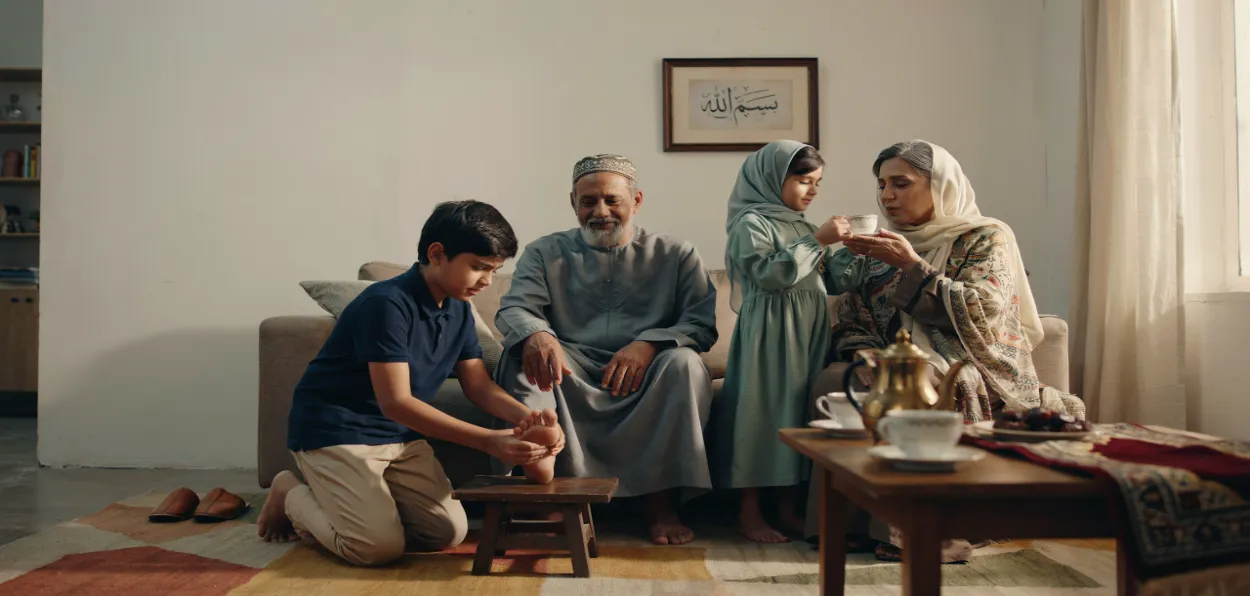
There is a stage in life when the hands that once held ours begin to tremble, the voices that once called us home become softer, and the people who spent their lives caring for us begin to need care themselves. Old age is not merely a biological stage; in Islam it is a reminder of the changing roles within a family and of the responsibility children carry towards their parents.
Friday Musings
Today, many elderly parents find themselves living in old-age homes. Sometimes this decision is unavoidable. Medical needs, financial difficulties, migration, or the absence of suitable caregivers can make professional residential care necessary. Islam does not condemn seeking help when circumstances genuinely demand it. What deserves reflection is the attitude behind the decision: whether parents are being cared for with dignity and affection, or quietly being removed from our lives because their needs have become inconvenient.
The Qur’an places extraordinary emphasis on kindness towards parents. Allah says:“And We have commanded people to be good to their parents.” Qur’an 46:15
Even more striking is the command in Surah Al-Isra: “And your Lord has decreed that you worship none but Him, and honour your parents. If one or both of them reach old age in your care, never say to them even ‘uff,’ nor yell at them, but rather nobly address them.” Qur’an 17:23
Notice the words “if one or both of them reach old age in your care.”
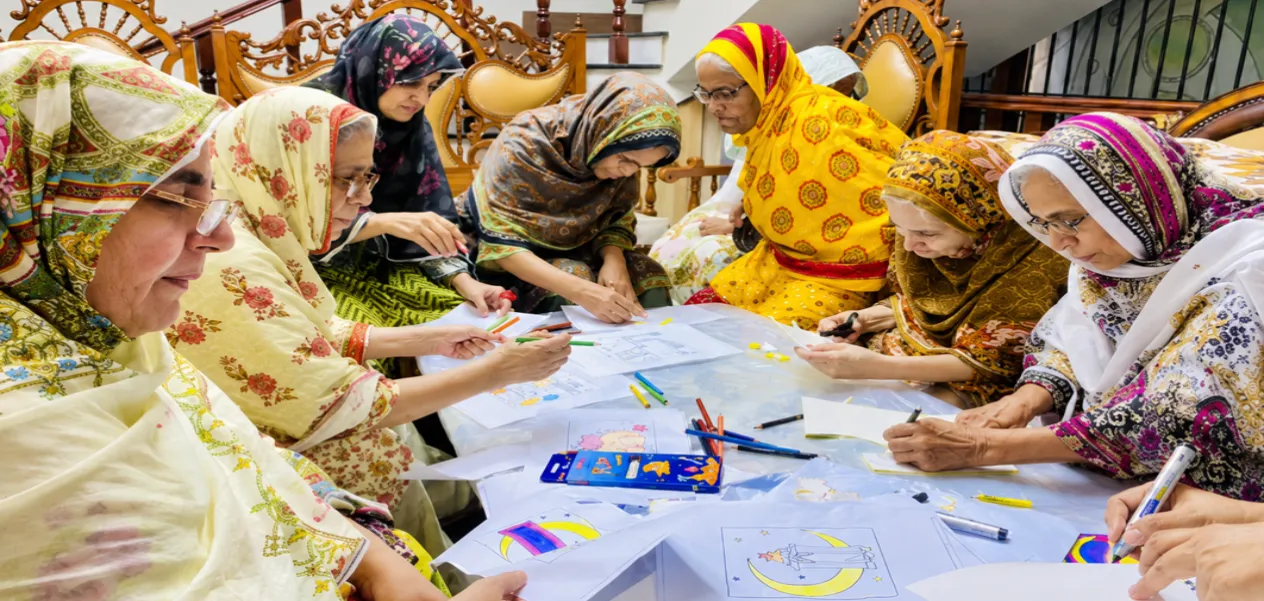
Old age is specifically mentioned. The Qur’an recognises that parents may become dependent, emotionally sensitive, physically weak, or difficult to manage. Yet their vulnerability is not presented as a reason for impatience. It is presented as a test of our character.
The next verse deepens this responsibility: “And be humble with them out of mercy, and pray, ‘My Lord! Be merciful to them as they raised me when I was young.’ Qur’an 17:24
This verse carries a beautiful sense of returning a debt. A parent once stayed awake when we were sick. They fed us before feeding themselves, sacrificed their comforts, tolerated our mistakes, and carried responsibilities we were too young to understand. When the same parents become dependent, Islam asks us to respond with ‘rahmah’—mercy.
An old-age home, therefore, cannot automatically be labelled un-Islamic. Circumstances matter. If professional care genuinely provides better medical attention, safety, companionship, and dignity, it can be a responsible choice. But placing parents there should never become an excuse for emotional abandonment. A room cannot replace a son’s call. A nurse cannot replace a daughter’s affection. A monthly payment cannot replace presence.
The Prophet taught the tremendous status of caring for parents. In Islam, serving elderly parents can become an act of worship. Their weakness can become our opportunity for spiritual growth.
We should also remember that parents have rights beyond food, medicine, and shelter. They need conversation. They need to feel remembered. They need someone to listen to the same stories they have told many times. They need visits, affection, respect, and reassurance that they have not become a burden.
Perhaps the real question is not simply, “Should elderly parents live in old-age homes?” The deeper question is: “Have we remained their children even when they became dependent on us?”
A society can build beautiful care facilities, but families must not outsource compassion. If circumstances require an elderly parent to live in a care home, let us make sure they still experience the warmth of family.
ALSO READ: Mali Bi's courage turned the course of 1971 war in Poonch
Because one day, the hands that once held ours may no longer be there. And then we may realise that the time we considered an obligation was actually one of Allah’s greatest opportunities to earn His pleasure.



.webp "Representational Image")








_(1).webp)