Ritika Das
When we think of India’s freedom fighters, we often end with a few popular leaders and martyrs. However, countless freedom fighters have remained unsung, and many of them are from India’s North-East, comprising Arunachal Pradesh, Assam, Manipur, Meghalaya, Mizoram, Nagaland and Tripura. Their contributions remain largely confined to local memories and folklore.
In the Revolt of 1857, we often hear about great leaders such as Mangal Pandey, Rani Lakshmibai and Maniram Dewan of Assam, and how they laid down their lives during the struggle. Among these leaders, we can also find the name of a warrior from Meghalaya, U Kiang Nangbah. He was instrumental in resisting British rule. He was later publicly hanged by the British at Iawmusiang in Jowai town in the West Jaintia Hills district as a warning to others who might attempt to raise a revolt against British rule in the region.
Among the countless women freedom fighters - who too remain largely unsung - is the inspiring story of 13-year-old Rani Gaidinliu. A member of the Rongmei tribe of the Nagas, she joined the freedom movement against the British to protect Naga culture from Christian missionaries. She was arrested in 1932 and spent 14 years in prison, one of the longest periods served by an Indian freedom fighter. It was Jawaharlal Nehru who gave her the title of ‘Rani’ in 1937. Later, in 1982, she was awarded the prestigious Padma Bhushan.
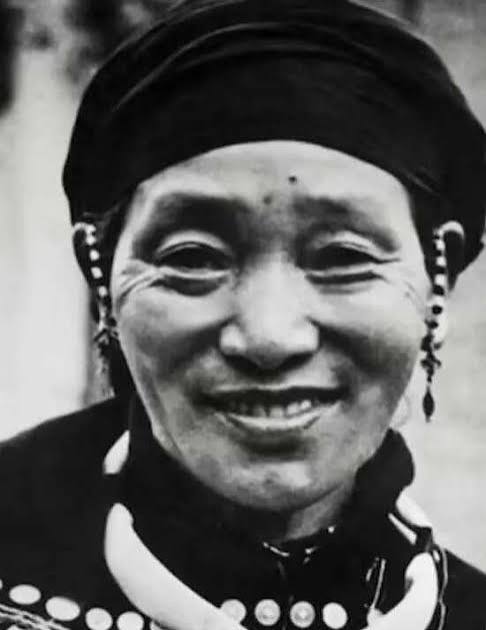
Like Rani Gaidinliu, there is another story of a brave woman chieftain from Mizoram that deserves mention. Lalnu Ropuiliani played a major role in rallying other chiefs to oppose the British annexation policy in the Lushai Hills. She also refused to provide local men to construct the British-planned roads and bridges.
At the age of 86, she continued to stand against the British, despite being imprisoned. She breathed her last in prison and became a symbol of resistance and revolution for the people of Mizoram.
The 1940s were a revolutionary period in many parts of India. It was the time when the final phase of the freedom struggle was at its peak, and the country witnessed the leadership and sacrifice of many prominent figures.
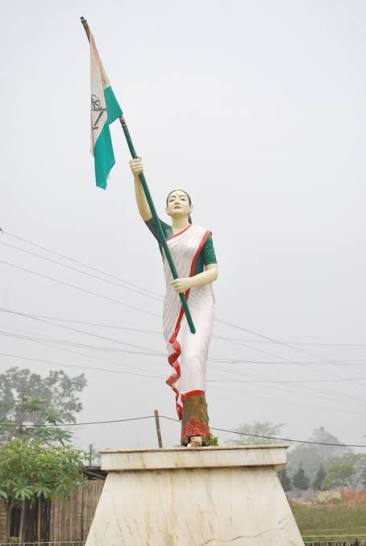
A similar atmosphere was also building among Assamese leaders during that period. In 1942, 17-year-old Kanaklata Baruah was shot dead while trying to hoist the Indian national flag at the Gohpur police station.
Parallel to her heroic story is that of another freedom fighter, Swahid Kushal Konwar. He was the only martyr in India to be hanged during the last phase of the Quit India Movement of 1942-43.
He was an accused in an incident in which some activists had removed railway sleepers near Sarupathar in Golaghat district, resulting in the death of several Allied soldiers. Konwar was not associated with the incident. Despite the lack of evidence against him, the British court declared him guilty and sentenced him to death.
Konwar, however, accepted the unjust verdict with courage. It is said that while he was about to be hanged, he was heard humming ‘Par Koro Raghunath Sangsar Sagar’ — a prayer asking God to help him cross the ocean of worldly life.
Among the Royals who were among the first to join the freedom struggle was Bir Tikendrajit Singh, fondly known as the ‘Lion of Manipur’.
He fought bravely during the Anglo-Manipur War while resisting the British attempt to bring Manipur under their control. Unfortunately, he was captured and, along with Thangal General, was hanged in public at the Polo Ground in Imphal.
During the nationalist movement, the Indian National Congress played an important role in the emergence of regional leaders from different parts of India. Many of them went on to play significant roles in the freedom struggle.
Among them was Moje Riba of Arunachal Pradesh. Born in the Basar Sub-Division of present-day West Siang district, Moje Riba was fondly called ‘Aboh Nyiji’, meaning ‘old father of all’.
He joined the then-emerging Indian National Congress and fought against the British alongside leaders such as Gopinath Bordoloi and Lalit Hazarika. He also became the first Congress president from Arunachal Pradesh.
Later, in recognition of his bravery and contribution to the nationalist struggle, he was conferred the ‘Tamra Patra’ award by Indira Gandhi, the former Prime Minister of India.
Another similar story is that of Tripura’s Umesh Lal Singh and Sachindra Lal Singh. The two brothers made significant contributions to the freedom struggle. After independence, Umesh Lal Singh was elected to the Legislative Assembly in 1967, while his brother, Sachindra Lal Singh, went on to become the first Chief Minister of independent Tripura.
The names mentioned above are only a few among the many freedom fighters from the North-East. Every year, when we celebrate Independence Day, we also remember and honour the vision, leadership and sacrifices of all those freedom fighters who dreamed of an independent India and fought against British rule with all their might.
It is therefore time to expand our knowledge about the nationalist leaders whose names may now survive only in local folklore. The NCERT is undergoing a transition to make the education system more enriching and relevant. In keeping with this effort, it can also expand the coverage of the nationalist struggle by incorporating more leaders from North-Eastern India.
Interestingly, the recent Assam Budget of 2026-27, in fact, included a financial proposal to produce a film dedicated to Swahid Kushal Konwar.
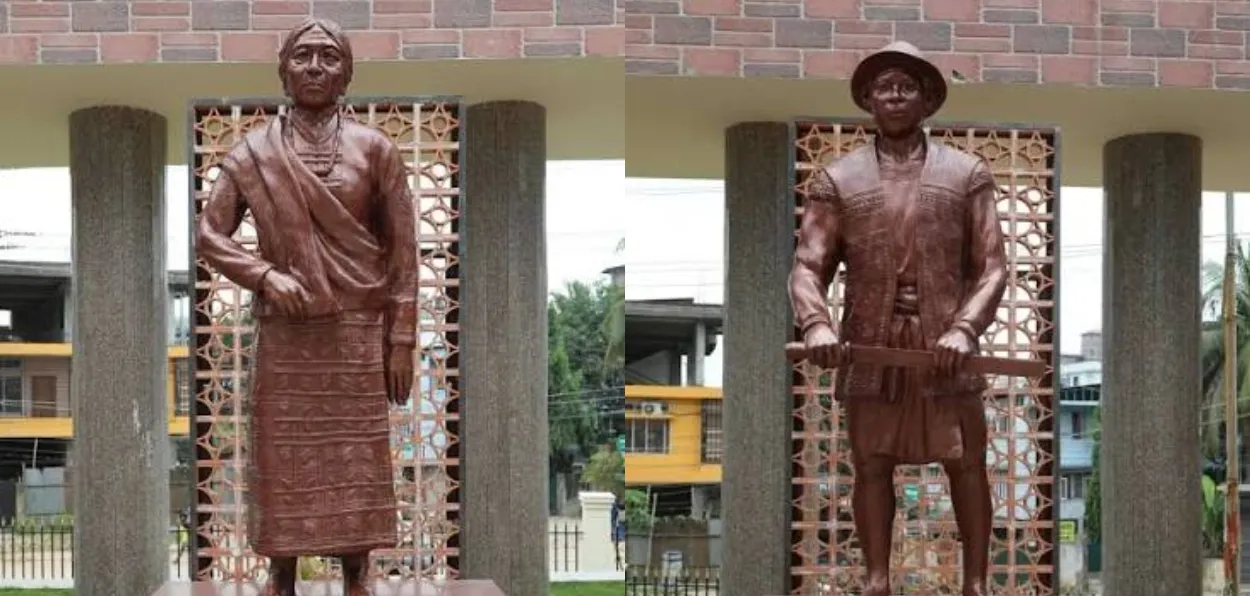
.jpg) U Kiang Nangbah, and Bir Tikendrajit
U Kiang Nangbah, and Bir Tikendrajit
Ultimately, there is only hope that the many freedom fighters whose names are still not widely known will receive the recognition and honour they rightfully deserve.
ALSO READ: Sundarbans student Selima Molla to witness ID Parade from Invitees' Gallery
On the 80th Independence Day, remembering these unsung heroes from the North-East is not merely an act of remembrance. It is also a reminder that India’s freedom was built on the sacrifices of countless men and women from every corner of the country.
(The writer is studying in Delhi University)