

New Delhi
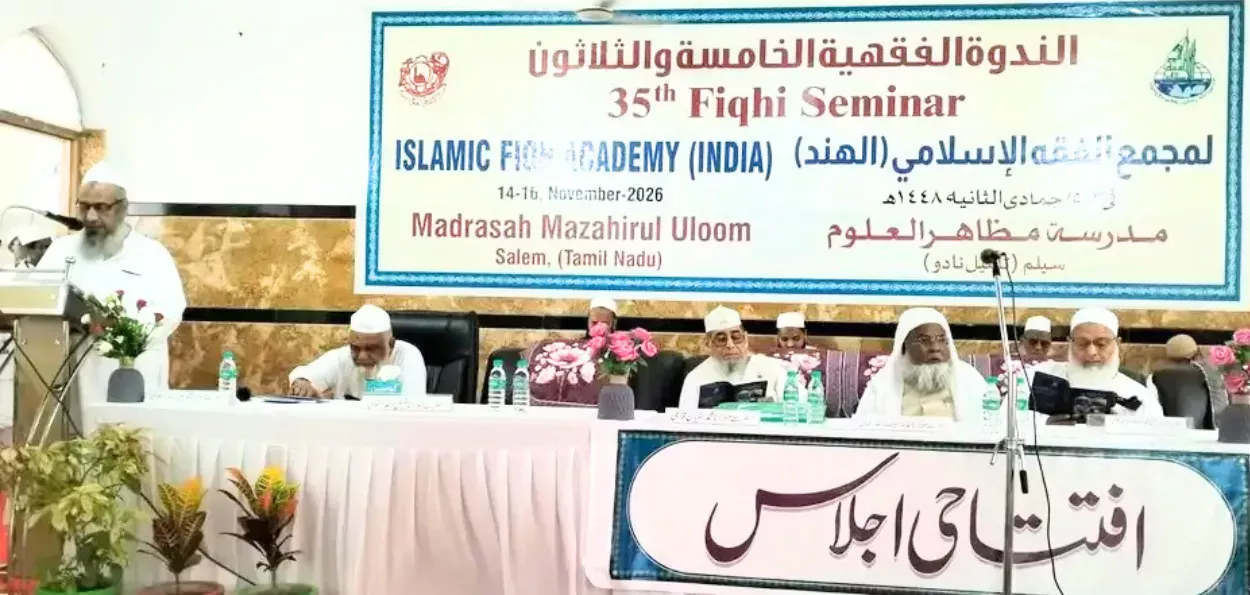
"The responsibility of eliminating the atmosphere of hatred towards the country lies with the scholars; relentless efforts should be made in this regard without feeling discouraged," said Maulana Muhammad Sufyan Qasmi at the 35th Fiqhi Seminar hosted by Madrasah Mazahirul Uloom in Salem, Tamil Nadu.
The three-day seminar, which began on November 1, brought together leading scholars and experts from across the country to deliberate on important jurisprudential issues arising in contemporary society.
The inaugural session was presided over by Maulana Muhammad Sufyan Qasmi, a renowned religious scholar and head of Deoband Waqf. It began with a recitation of the Holy Quran by Qari Muhammad Saud Khan.
Addressing the gathering, Maulana Qasmi said rapid changes in human life were giving rise to new challenges. It was the responsibility of scholars and jurists to find solutions to these issues in the light of the Quran and Sunnah. He stressed the need for serious engagement with religious and social questions and for providing practical guidance through mutual consultation.
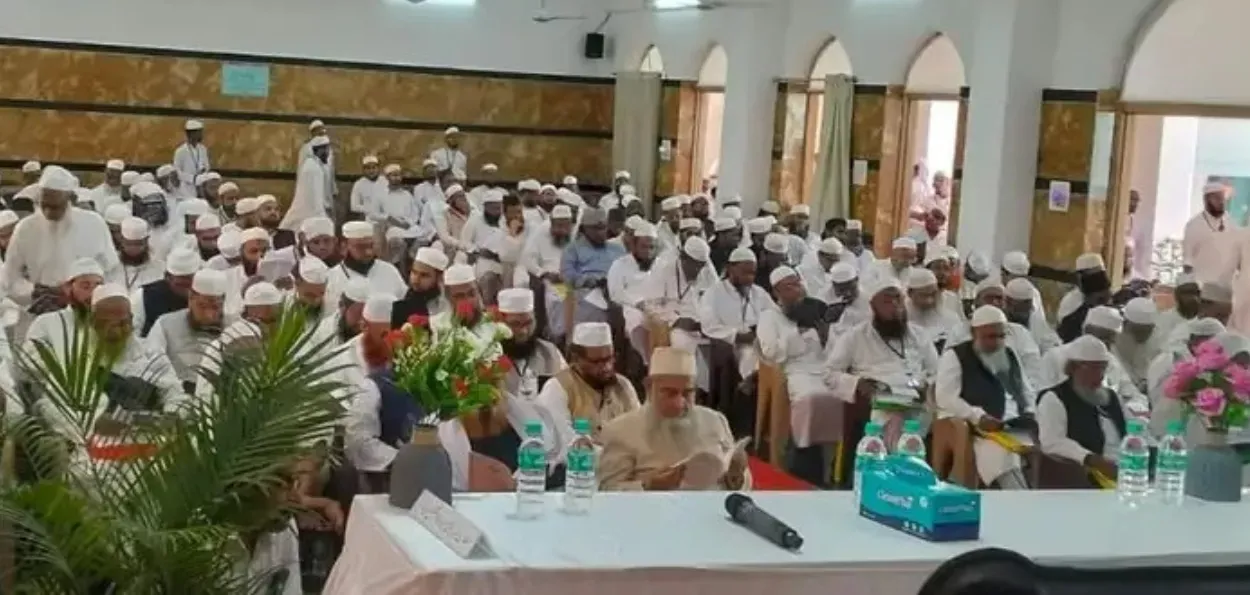
Maulana Abu Shafiq Qasmi also underscored the importance of consultation among social leaders, intellectuals and religious scholars in addressing emerging challenges. He said Fiqhi seminars offered an important platform for reflection and scholarly exchange on such matters.
Maulana Khalid Saifullah Rahmani, General Secretary of the Islamic Fiqh Academy, said scholars must not only assess the changing circumstances of their times but also anticipate challenges that might arise in the future. They needed to broaden their intellectual horizons and guide Muslims in the context of an evolving world.
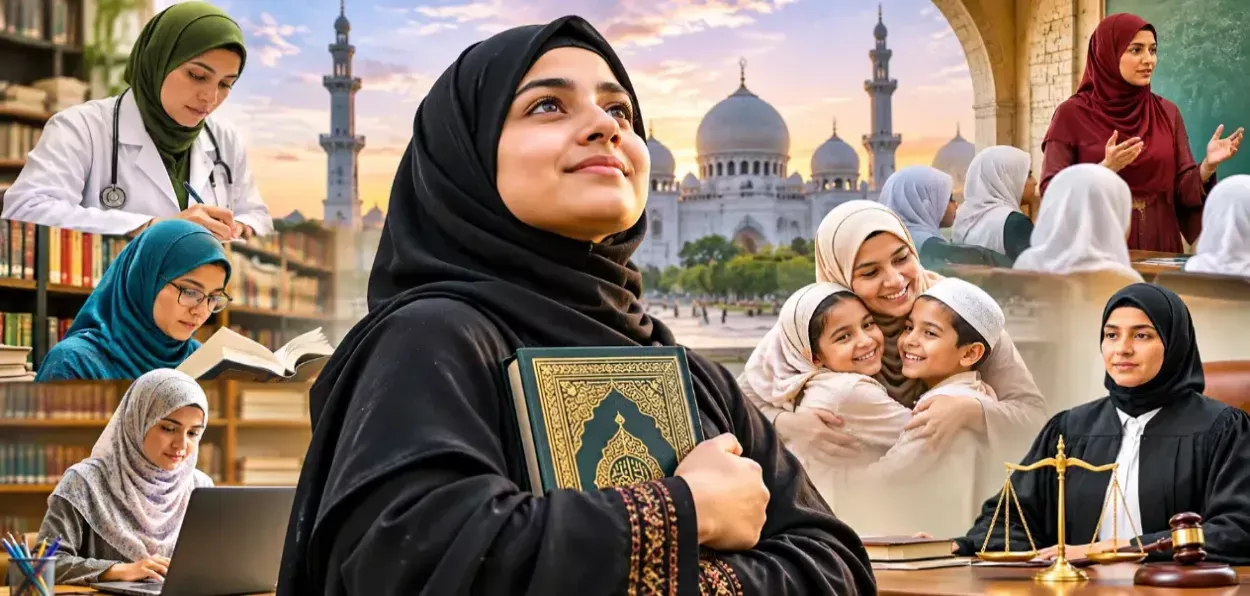
Maulana Rahmani also spoke at length about women's rights under Sharia. He described Islamic Sharia as a just system that accorded women respect, dignity and autonomy in India. He pointed out that it had also established widow remarriage as an accepted practice, enabling widows to lead dignified social lives. He stressed the importance of understanding and presenting Islamic teachings in their proper context.
Referring to allegations and objections against Islam frequently discussed in the media, he said scholars had a responsibility to address misconceptions through reasoned and informed arguments. They must counter the spread of hatred through effective scholarly engagement.
The seminar also highlighted the need to examine contentious issues such as child marriage, divorce and polygamy in their proper Shariah context. Speakers observed that jihad was often wrongly linked with terrorism. They called for factual explanations and informed discussion rather than emotional reactions, urging the public to seek accurate information instead of falling prey to propaganda and to help dispel misunderstandings.
Several contemporary jurisprudential questions are being taken up during the three-day gathering. These include issues relating to gender reassignment, the rights and concerns of widows and divorced women, the jurisprudential concept of istihsan, and the trading of gold and silver.
Scholars and experts from reputed universities and educational institutions across North, South, East and West India are presenting their research and academic perspectives. Around 200 scholars and muftis are expected to participate in the deliberations and offer their views and suggestions.
The continuing tradition of jurisprudential seminars organised by the Islamic Fiqh Academy was also recalled during the inaugural session. Maulana Atiq Ahmed Bastavi expressed satisfaction that the Academy had been organising these seminars uninterruptedly since 1989.
He said the seminars had served as a bridge between religious seminaries and academic institutions, creating opportunities for serious discussion on contemporary issues. He stressed the importance of sustaining this scholarly tradition so that jurists and religious scholars could contribute to resolving the complex challenges of the present day. Holding the seminar at the historic institution of Madrasah Mazahirul Uloom in Salem was another significant step in this direction.
ALSO READ: 140 women racing in boats turns Dal Lake into a celebration of womanhood
The inaugural session was attended by scholars and experts from different parts of the country, including Maulana Muhammad Sufyan Qasmi, Maulana Khalid Saifullah Rahmani, Maulana Muhammad Sharif Khan, Mahatma Darul Uloom Zakaria Deoband, Mufti Rehmatullah Bandwipora of Kashmir, Maulana Anisur Rehman Qasmi of Patna, Dr Abdullah Jamil of Omarabad, Maulana Roohul Haq Rashadi, Maulana Sirajuddin Rashadi and Maulvi Anas Abid Khan, among others.