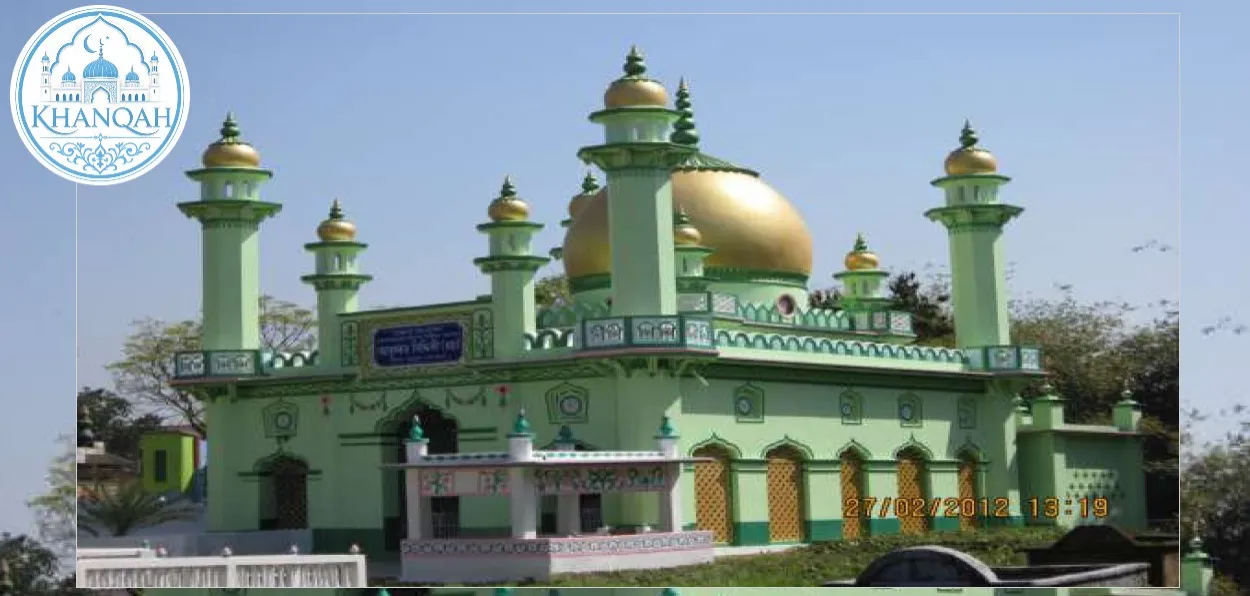
_(1).webp "Graves of Sufis at Triveni-Saptagram Khanqah")
Shampi Chakraborty Purkayastha
Triveni-Saptagram in West Bengal’s Hooghly district was once one of Bengal’s most prosperous port cities. According to local tradition, the region where the Saraswati, Bhagirathi and Yamuna rivers meet was not only renowned for its flourishing trade but also emerged as an important centre of Sufi spirituality during the medieval period.
Connected by waterways with Delhi, Gaur and Pandua, the region attracted several Sufi saints who came here and established Khanqahs. Although little of the architecture of these ancient Khanqahs survives today, their history continues to live on through local memories, old records and traditions associated with the Dargahs.
According to historians, between the 13th and 15th centuries, Saptagram was one of Bengal’s major international centres of trade. Along with Arab, Persian and Central Asian traders, Sufi saints also arrived in the region. The Khanqahs they established were not merely places of religious devotion. They served as shelters for travellers, centres of learning and institutions of social service.
Religious education, Quran recitation, Zikr and humanitarian activities were carried out alongside one another in these establishments.
.webp)
One of the defining features of the Khanqahs was the Langarkhana. In Sufi philosophy, feeding the hungry is considered an act of worship. Accordingly, the Khanqahs of Triveni-Saptagram made arrangements to distribute free food either every day or on special occasions. Sailors, traders, the poor and travellers arriving by river were provided food and shelter. According to researchers, such Langarkhanas functioned as an early form of social support in many parts of Bengal.
The teachings of humanity, compassion and love transformed these Khanqahs into centres of faith and solace for ordinary people. Historians believe that such Sufi institutions played an important role in laying the foundations of social harmony in Bengal.
Over time, Saptagram lost its prominence as a port. Changes in the course of the rivers, along with urbanisation and the passage of time, led to the disappearance of many ancient structures. Yet traces of this heritage survive in Triveni and the surrounding areas through several Sufi Dargahs, Mazars and families associated with the Pirs.
.webp)
The present generation of Khadims and members of Pir families are not only continuing religious rituals and ceremonies but are also making efforts to preserve old documents, genealogies and oral histories. Many are involved in social initiatives, including helping the poor and providing religious education.
The Urs, therefore, is not merely a religious occasion; it also contributes significantly to the local economy.
The history of the ancient Khanqahs of Triveni-Saptagram, however, remains inadequately researched and documented. River erosion, urbanisation and the passage of time have caused many historical remains to disappear. Further archaeological research, preservation of ancient documents and systematic documentation of local heritage could help bring several lesser-known chapters of Bengal’s Sufi history to light.
Even today, when one stands on the soil of Triveni-Saptagram, history seems to quietly remind us that the doors of its Khanqahs were once open to everyone. Here, humanity was greater than religious divisions, service was greater than ritual, and harmony was stronger than differences.
ALSO READ: Grateful nation honoured Lt Balwan Singh for Tiger Hill operation with MVC
That humanitarian legacy remains one of the finest and most enduring expressions of Bengal’s Sufi heritage.
_(1).webp "Sufi Heritage of Gaur")
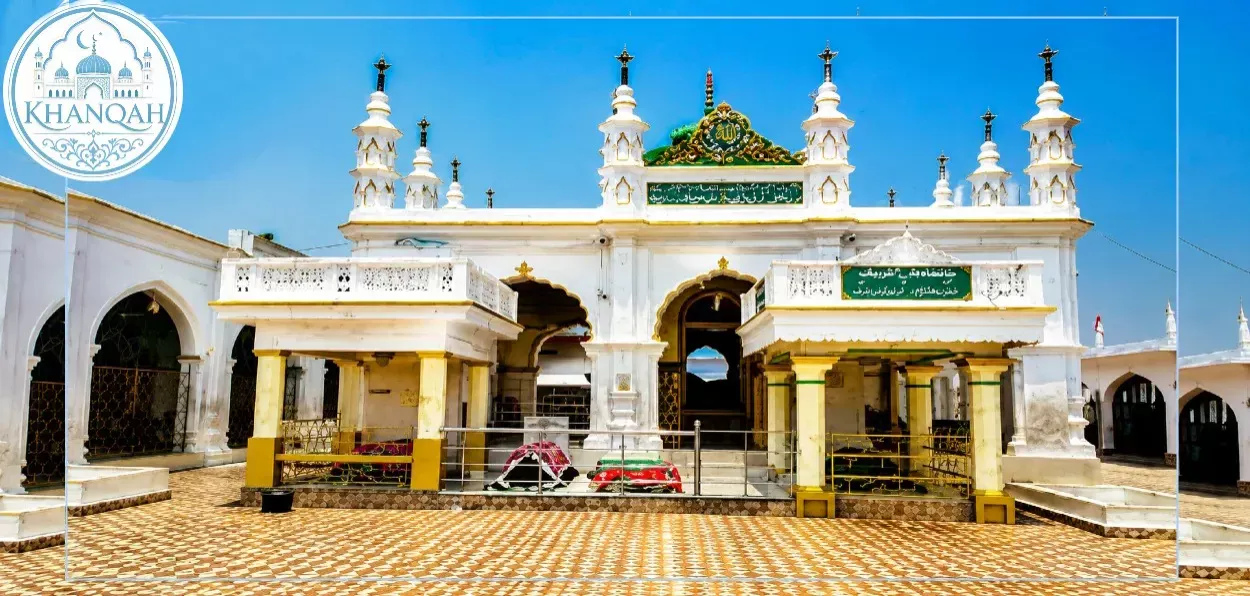
_(1).webp "The Khanqah of Pandua, Malda, West Bengal")








.webp)