_(1)_(1).webp "Khanqah Beetho Sharif, Gayaji")
Jitendra Pushp/Gayaji (Bihar)
The identity of Gaya city in Bihar is not limited to Pind Daan, the ritual Hindus perform for their ancestors, or the famous Vishnupad Temple. On this sacred soil also stands a Sufi shrine where people from all faiths come in moments of despair and leave with a sense of peace and hope.
Situated along the banks of the Falgu River, Khanqah Beetho Sharif has become a living embodiment of faith, humanity and the syncretic Ganga-Jamuni culture.
Located about five kilometres from Gaya city, this Khanqah-Dargah has been a focal point of people's faith for centuries. Devotees believe that the prayers of Hazrat Makhdum Syed Shah Durvesh Ashraf bring relief from mental anguish, incurable ailments and various troubles of life.
This is why people travel from far and wide to visit the shrine every day—some seeking relief from their afflictions, while others come in search of inner peace.
The history of Beetho Sharif is believed to date back nearly 600 years. It is said that Hazrat Makhdum Syed Shah Durvesh Ashraf came to India from Iran. A renowned Sufi saint, he is also believed to have undertaken the Hajj pilgrimage on foot. In 1443 AD, he established a khanqah (Sufi hospice), a mosque and hujras (small meditation cells) here. Over time, the place developed into an important centre of the Sufi tradition.
.webp)
According to local accounts, the village was originally known as Vithur. Later, Hazrat Makhdum renamed it Bethu Sharif, which eventually came to be known as Beetho Sharif. Today, the village is recognised not only for its religious significance but also as an exemplary model of communal harmony.
The most distinctive feature of the village is its social atmosphere. Its population is almost evenly divided between Hindus and Muslims, yet there have been no reports of religious tension. Members of both communities actively participate in each other's festivals and traditions, while people of all faiths visit the dargah to offer their respects. For this reason, Beetho Sharif is regarded as a true embodiment of Ganga-Jamuni Tehzeeb, the syncretic cultural tradition of India.
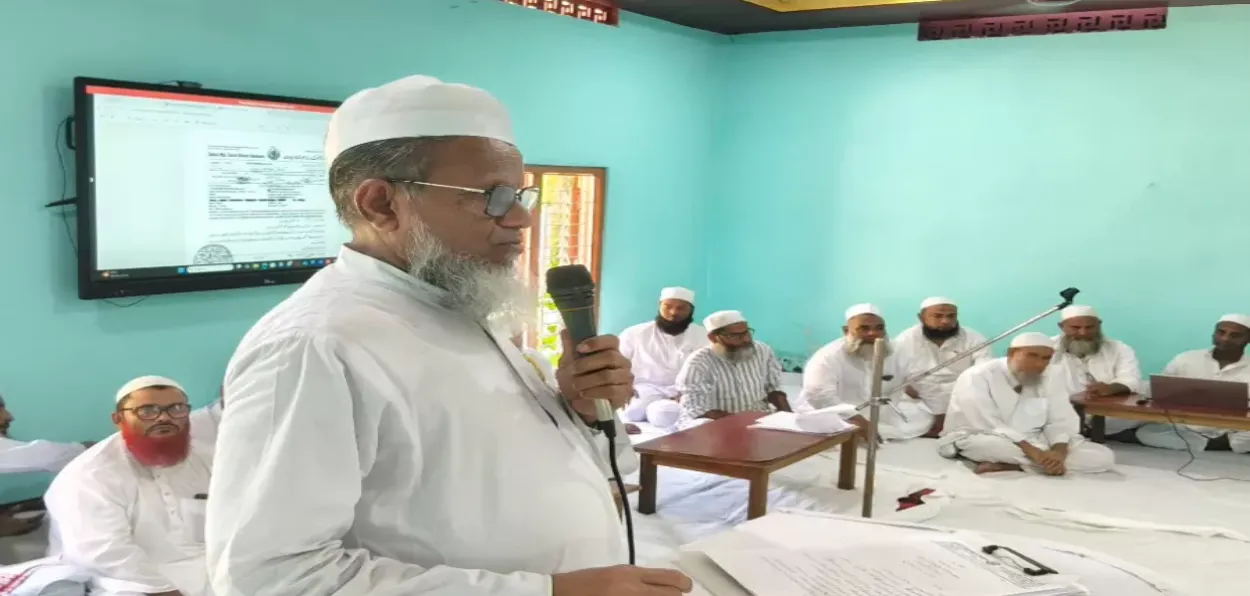
Syed Shah Arbab Ashraf, the current Gaddinashin (custodian) of the Khanqah and Dargah, says, "This is not merely a religious site but a sanctuary of humanity. Its doors are open to everyone who visits; there are no barriers of religion, caste, or language. People come here to offer prayers and return with a sense of peace."
Members of Syed Shah Arbab Ashraf’s family have served as Gaddinashin of the Khanqah and Dargah for generations.
His father, Shahid Shah, was a professor of psychology at Gaya College. Ashraf assumed the role of Gaddinashin following his father's death during the COVID-19 pandemic
.webp)
Many stories associated with the Dargah continue to be recounted by residents. They speak of patients whom doctors had given up on and who are said to have recovered after visiting the shrine. Some reportedly suffered from mental illnesses, while others believed they were afflicted by evil forces. According to local accounts, their lives changed after they visited the Dargah. Such stories have further strengthened the faith of devotees.
The atmosphere at Beetho Sharif becomes particularly enchanting in the evening. The cool breeze blowing along the banks of the Falgu River, the flickering lamps inside the Dargah and the soft, rhythmic chanting of prayers imbue the entire complex with a deeply spiritual aura. Many devotees sit there for hours, offering prayers, while others close their eyes and lose themselves in silent contemplation.
The Dargah complex houses the shrines of Hazrat Makhdum Syed Shah Durvesh Ashraf, his wife Bibi Jaan Malak and other members of the family. An ancient lamp is also preserved here. Believed to be centuries old, it is still lit every evening. Devotees regard it as a symbol of blessings and spiritual light.
An Urs is organised here every year, when Beetho Sharif comes alive with activity. Large numbers of devotees arrive not only from Bihar but also from Jharkhand, West Bengal, Uttar Pradesh, Rajasthan, Madhya Pradesh, Odisha and Nepal. The five-day event features Chadar-poshi (offering a ceremonial cloth), Qawwali performances, Quran-khwani (recitation of the Quran) and Langar (community kitchen/feast).
During the Urs, devotees are also allowed to view sacred relics associated with Hazrat Makhdum, including his garments, cap and Tasbih (prayer beads). They view these relics with great reverence. Throughout the night, the Dargah resonates with prayers and Qawwali, creating an atmosphere of devotion and spiritual fervour.

_(1).webp "The Khanqah of Pandua, Malda, West Bengal")

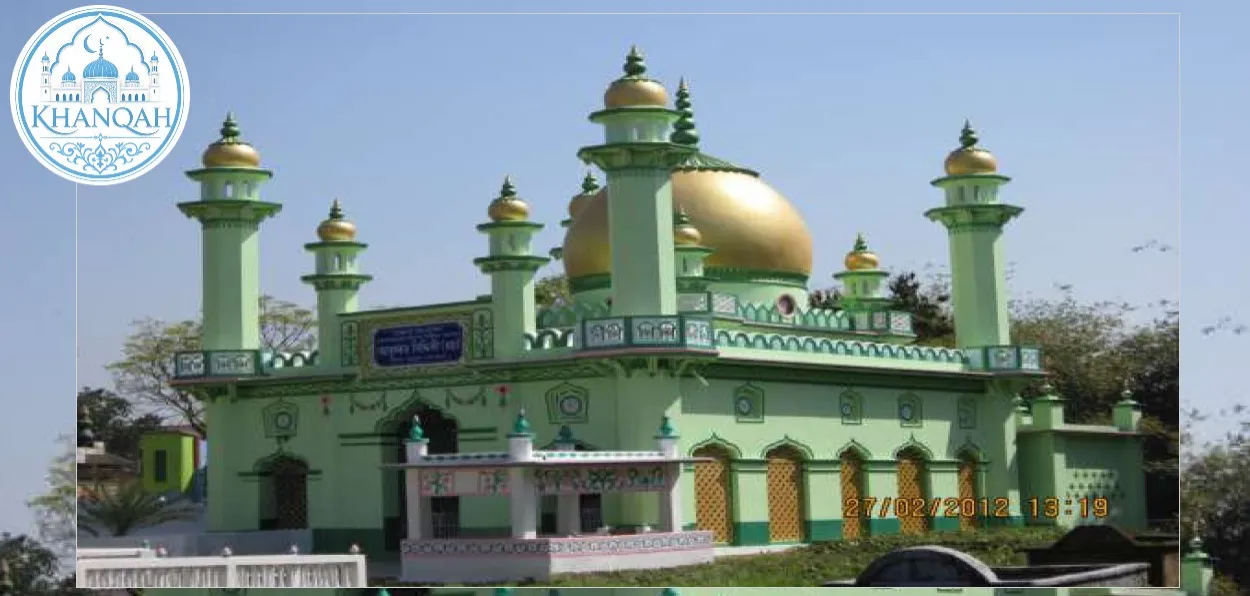
.webp "Shrine of Bulbul Shah, Srinagar, J&K")






_(1).webp "Sufi Heritage of Gaur")