 Jafri Muddasr Nafil
Celebrity chef Anthony Bourdain, who died in 2018, once said, "The food we eat represents our identity. It's national feeling, ethnic feeling, a tradition carried forward from your personal history, your state, your region, your tribe, and your clan."
The kitchen of indigenous Muslim families in Assam has all these ingredients. It is a combination of traditional Assamese cuisine and richly flavoured Mughal cuisine, and this combination has changed a lot over time. Thus, the food of the Assamese Muslim family has gained an ever-new identity for centuries.
In terms of spices and flavours, the cuisine of Assamese Muslims is completely different from that of ordinary Muslims in North India and other parts of the country.
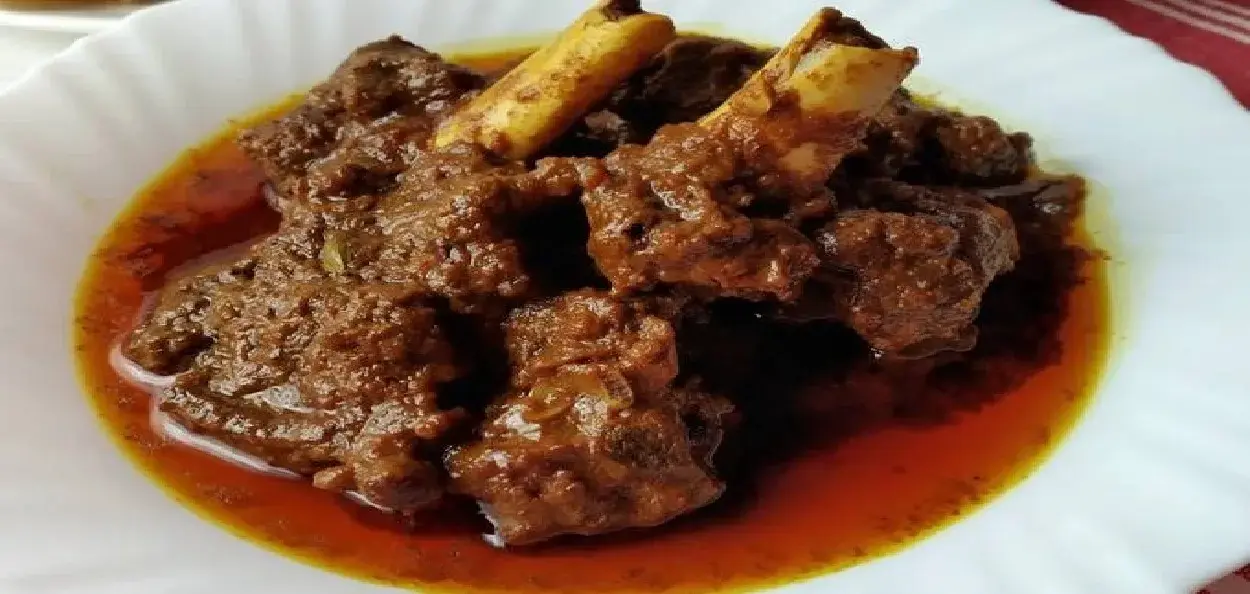 Goat meat roast
If one wants to name a very distinctive speciality of Assamese Muslims, it is Kurma Pulao. Biryani is popular in most parts of India, but in Assam, it has been replaced by kurma Pulao. It is an essential dish at religious, social, or other functions of Assamese Muslim families. In some rural families, kurma pulao is served with tea, and this is said to be a wonderful combination.
The use of Jaha rice (a small-grain aromatic rice from Assam) elevates the taste of kurma pulao. The meat used to make kurma is usually cut into small pieces. Some bones are also cut into small pieces so that all the bone marrow goes into the gravy, making the kurma very tasty.
The bone marrow of the meat (Stock) used to make the kurma pulao and the korma gives it an outstanding taste.When pulao is cooked without meat, it is served with a meat dish known as goose curry. Beef and goat meat usually predominate on all important occasions.
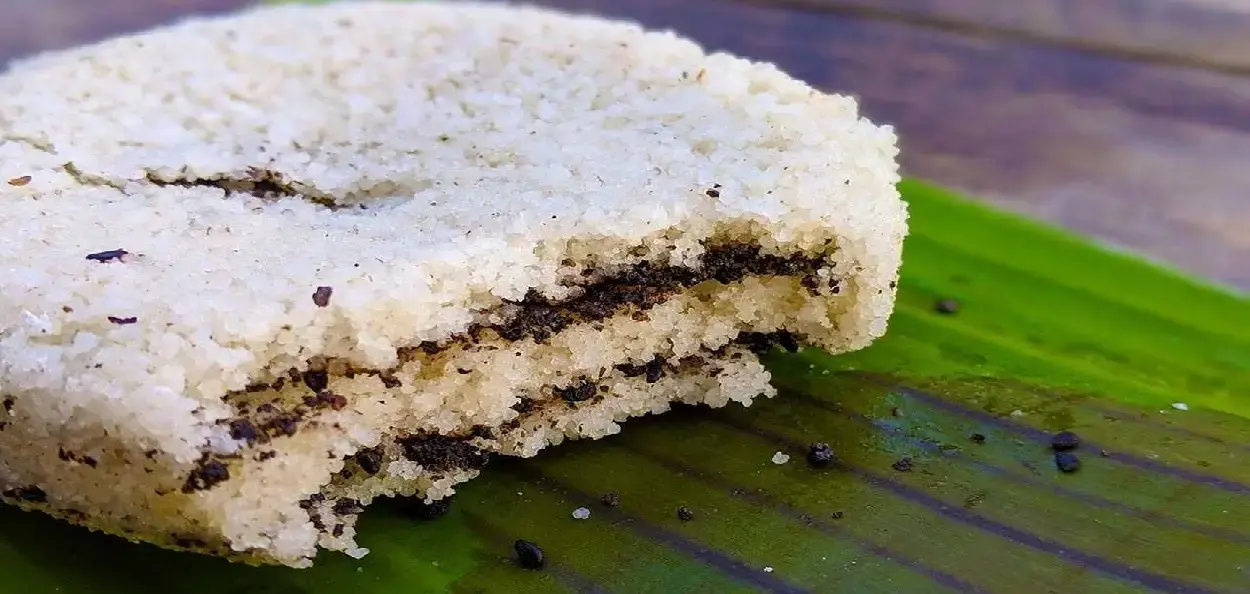 Tekeli pitha made with sesame seeds
Breakfast specials include fried bora rice (a sticky form of rice) with duck eggs, fish pulao, chira (poha) pulao with small pieces of meat, haneki or pani pitha (like South Indian neer dosa) with fried dhakia vegetables and paratha with liver fries.
It is cooked with a variety of delicious vegetables. Adding dried meat to most of these dishes gives them a smoky flavour.
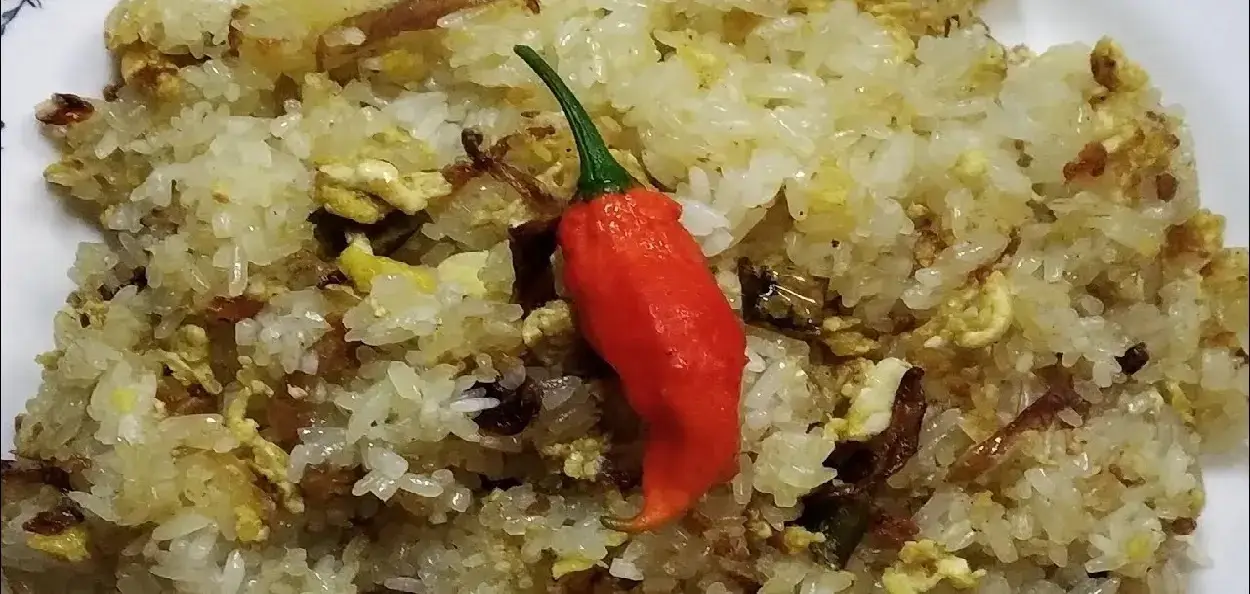 Bora Rice with duck eggs
Pura or dried meat and fish is another integral part of the Assamese Muslim food. Muslims of Assam also cook meat with various vegetables such as red garlic, bitter gourd, rice gourd, raw tamarind, cucumber, radish, oil cabbage, squash and spinach.
There is no excessive use of oil, fat and spices in Assamese Muslim food like Mughlai and Awadhi food. Although cashews (cashew nuts), mogoz (red garlic seeds), or opium seeds are not widely used in everyday food, they are used in feasts.
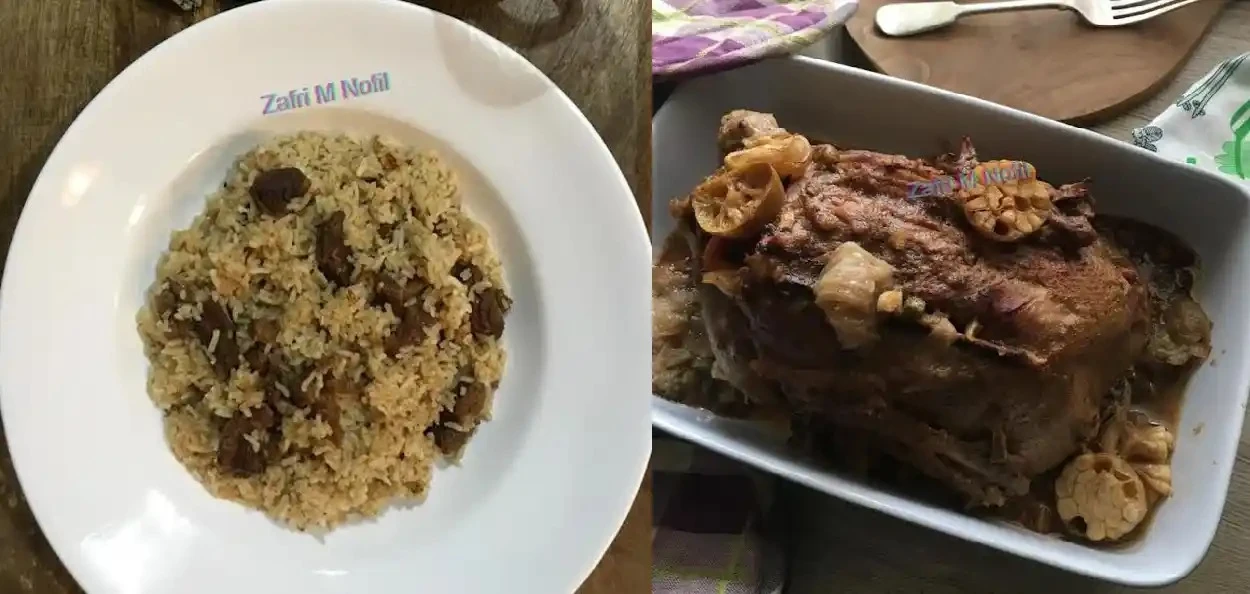 Kurma pulao and duck roast
The use of foods cooked in Muslim households, such as meat and vegetable stews, cakes made with meat and meat loaves, roasted chicken or duck, and sweetmeats such as pancakes, apple pie, caramel custard, and tarts, is known to be influenced by British days.
As fish is readily available in Assam, various delicious fish dishes are cooked in Assamese Muslim families. Fish curry and cutlets are popular here. Desserts include halwa, naan kata, barfi, ladoos and cakes, and various types of pitha and biscuits are some of the popular sweet dishes made in the kitchens of the Assamese Muslim community.
In the Assamese Muslim community, it is impossible to celebrate Eid without service. Halwa is an integral part of Assamese Muslim cuisine. It is prepared on religious occasions like Shab-e-Barat and Shab-e-Qadr as well as on the third day of the death of a person
. It is eaten with puri or ghee bread. There are many types of food served at weddings, banquets, and even ceremonies related to the death of a person.
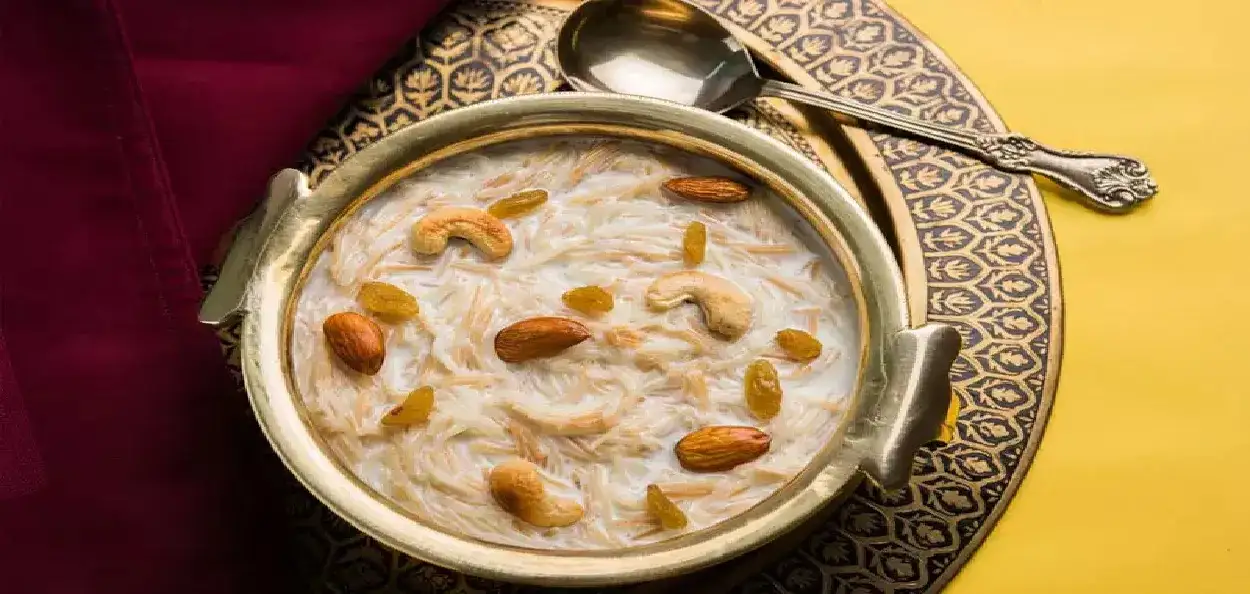 Paysam or pudding
Weddings usually feature a lot of delicious food. Meals for the groom and friends are even more expensive. In the past, a special dish called bakarkhani was used along with kurma at weddings of the Assamese Muslim community. But now flaky parathas, a popular dish, have replaced kurma and bakarkhani.
In addition to flatbreads, many other tasty treats are served at weddings. These include kebabs, kofta (locally known as kupta), egg chops, meat bread, roasted meat dishes, bhuna ghost, kima, meat curry with pulao, firni, fruit custard, and cakes. Curry pulao is a popular dish served at community feasts, where professional cooks prepare the food.
(Jafri Muddas Nafil is a senior journalist at the Press Trust of India in New Delhi and author of "The Identity Quotient: The Story of the Assamese Muslims")










_(2).webp)