Bhakti Chalak
A youth-led campaign in Maharashtra has made blood donation a permanent feature of Eid-ul-Adha celebrations, giving a new meaning to Qurbani — the sacrifice traditionally associated with the festival.
Doctors say that a single unit of donated blood can help save up to three lives. Blood shortages have become a recurring challenge for hospitals, particularly during the summer months, when demand rises due to accidents, major surgeries, cancer treatments, and childbirth-related emergencies.
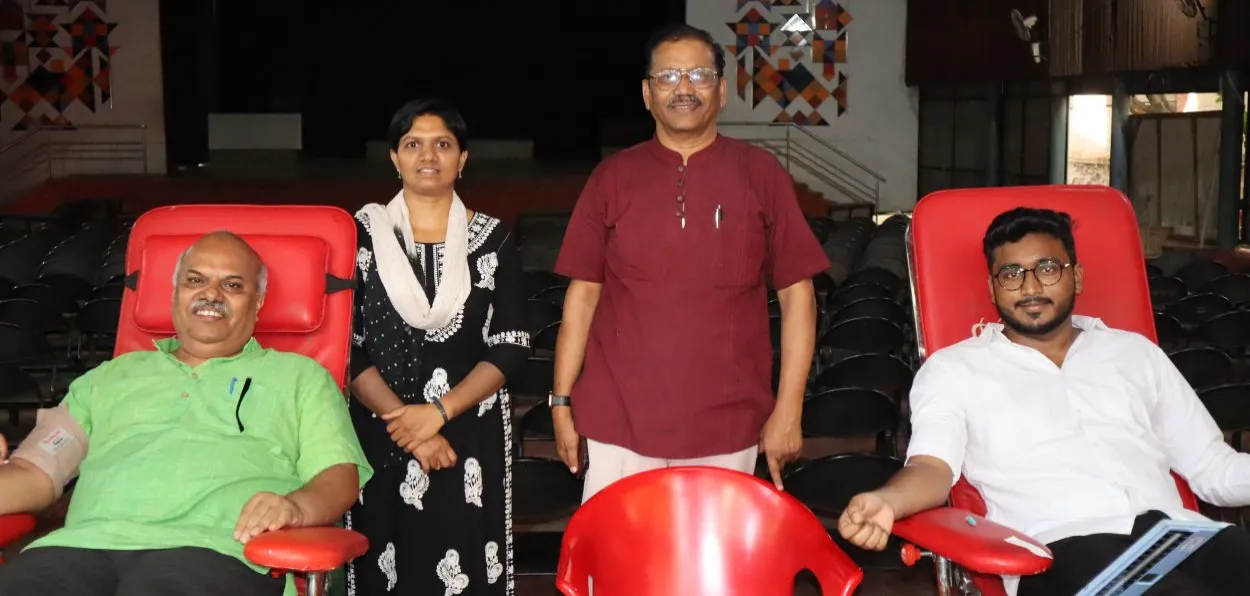
Recognising this need, the Muslim Satyashodhak Mandal has been organising blood donation camps on Eid-ul-Adha across Maharashtra for the past 16 years. The organisation says the initiative broadens the spirit of Qurbani by encouraging people to sacrifice for society and serve humanity.
The camps attract not only Muslims but people from all faiths, reflecting the organisation's commitment to religious harmony, scientific thinking, and humanitarian values.
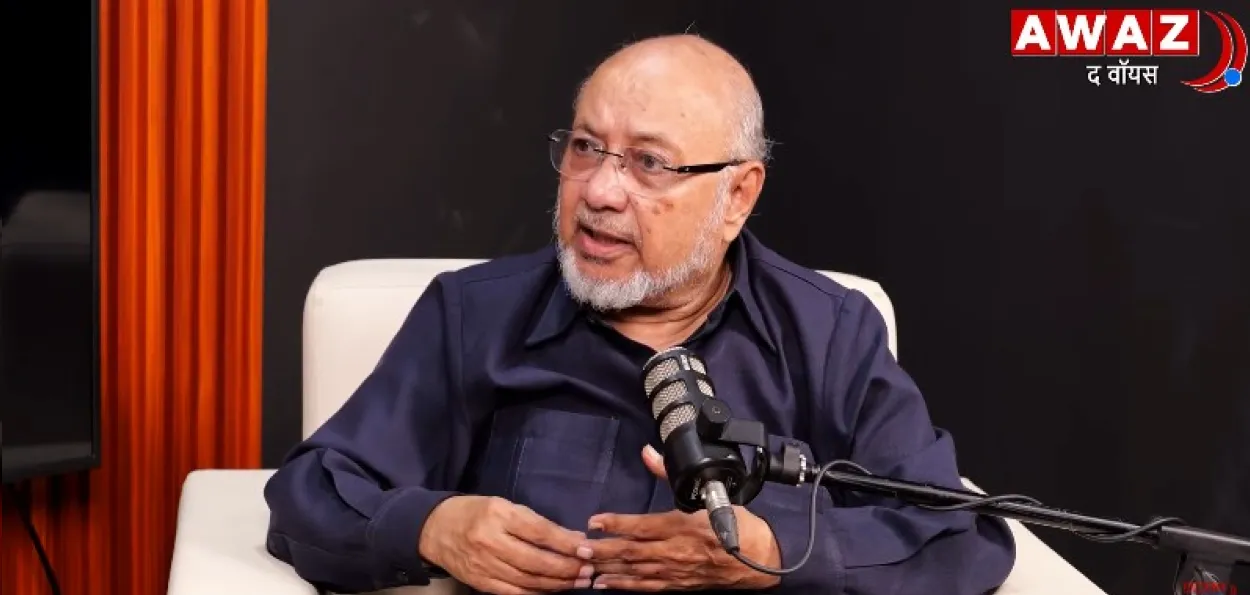
Shamsuddin Tamboli, president of the Muslim Satyashodhak Mandal, said the idea was conceived in 2011.
"The concept of donating blood on the occasion of Bakri Eid was finalised in 2011, and the journey began from there. At that time, social reformers such as Dr. Baba Adhav, Dr. Narendra Dabholkar, and several other dignitaries stood with us," he said.
Tamboli noted that the organisation continued its work even during the Covid-19 pandemic.
"Even during the difficult days of the pandemic, we did not step back. Along with blood donation, we organised plasma donation drives. Whenever floods or storms struck the state, we extended relief. We have also provided financial assistance to visually impaired people and undertaken several humanitarian initiatives," he said.
Highlighting the growth of the movement, Tamboli said, "Today, this initiative has completed 15 years. The Maharashtra Andhashraddha Nirmoolan Samiti and several constitutionalist organisations are working shoulder to shoulder with us. In recent years, we have also been promoting organ donation, body donation, and eye donation, while encouraging people to pledge themselves to these causes."
Explaining the philosophy behind the campaign, he said, "Qurbani signifies sacrifice and dedication. If a person truly wishes to make a sacrifice, there can be no greater act than saving another human life through blood donation."
Tamboli also pointed to contemporary challenges surrounding the festival.
"Environmental concerns have emerged in many cities, and objections to Qurbani are often voiced by sections of society. This sometimes leads to unnecessary social tensions and polarisation. We believe the values of sacrifice, charity, and service should be expressed in ways that address present-day needs. This is our small effort to make the spirit of Qurbani more society-oriented and humanity-oriented," he said.
Ashok Dhivare, former Director General of Police of Maharashtra and a long-time supporter of the movement, has publicly praised the initiative.
"Since the days of Hamid Dalwai, social reform has been an integral part of this movement. Through these blood donation camps, the organisation is attempting social transformation by encouraging people to sacrifice what is most precious for the welfare of others," he said.
Dhivare added that he participates in the programmes with enthusiasm every year.
"If society is to progress, we must focus on what benefits society rather than on religious or caste divisions. It is heartening to see people from different faiths donating blood together. If India is to remain united, the country needs more such initiatives. The work being carried out by Dr. Tamboli and his colleagues deserves the highest appreciation," he said.
Dr. Samina Pathan, an executive member of the Muslim Satyashodhak Mandal, said the initiative seeks to connect Islamic values with contemporary humanitarian needs.
"In Islam, animal sacrifice is an important tradition, but through this initiative we wanted to introduce a new dimension to that spirit of sacrifice," she said.
She emphasised the importance of adapting social practices to changing times.
"Some people express charity by supporting the education of poor and disadvantaged students through Zakat. On this occasion, we encourage blood donation, organ donation, and body donation. People from all communities participate in these efforts," she said.
Author Pradeep Awate also praised the initiative, saying that religious festivals should evolve with the needs of society.
"The Muslim Satyashodhak Mandal has given a modern and meaningful interpretation to the spirit of Bakri Eid. Every community should strive to express the values of its festivals in ways that address contemporary challenges. By linking the ideals of sacrifice and brotherhood with blood donation, organ donation, and body donation, the organisation is helping save lives and spread happiness. This is a commendable initiative that deserves wider participation across the country," he said.
The importance of the campaign becomes particularly evident during summer, when hospitals frequently face acute shortages of blood.
"With the intense summer and declining blood stocks in many cities, donating blood during this festival is a truly humanitarian act," one organiser noted.
What began as a local initiative in Pune has now emerged as a model for society. By combining the sacred spirit of sacrifice with science, compassion, and public service, the campaign has demonstrated how religious values can be harnessed for the greater good.
ALSO READ: Wealth creation is important under Islamic system: Abdur Raqeeb
There is little doubt that the bonds forged through blood donation may prove even stronger than those created by blood relations, bringing people together through a shared commitment to humanity.








_(2).webp)