




Eman Sakina
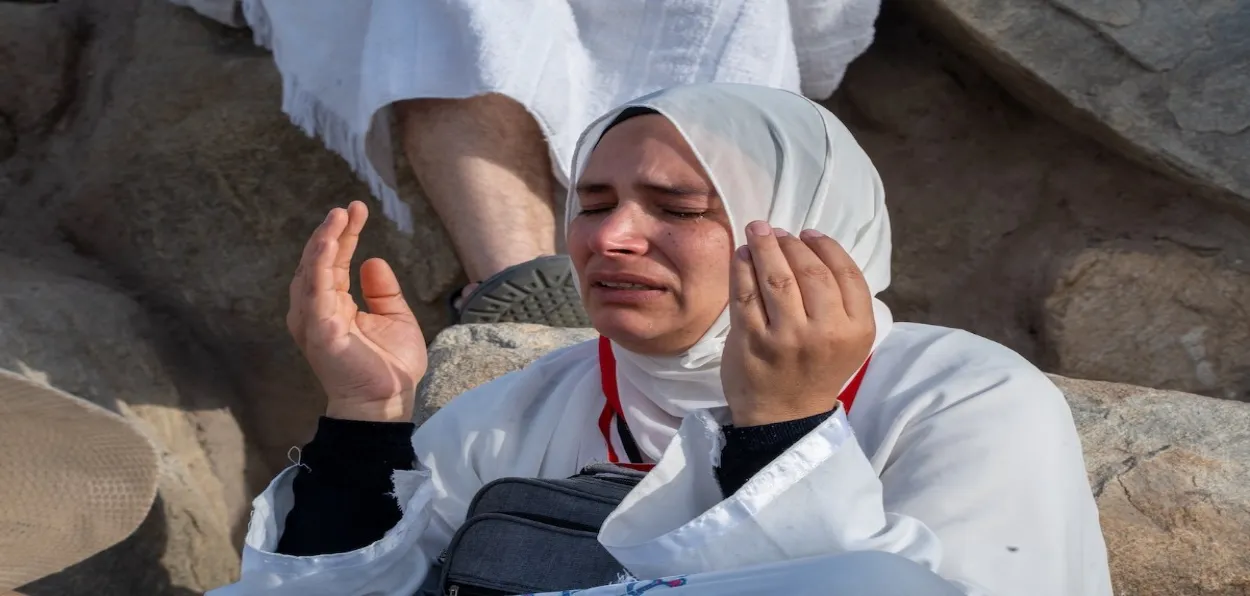
The 'Woman of Hajj' is most commonly understood to be Hajar (also called Hagar), the wife of Prophet Ibrahim and the mother of Prophet Ismail. Her story is connected to the rituals of Hajj and the spirit of Eid al-Adha.
Friday Musings
Many of the sacred acts performed during Hajj today are linked to her sacrifice and faith. The ritual of Sa’i — walking between the hills of Safa and Marwah — commemorates Hajar running desperately in search of water for her infant son. The well of Zamzam, from which millions of pilgrims still drink, emerged through Allah’s mercy during her struggle.
What makes Hajar known as the 'Woman of Hajj' is that her actions were elevated into acts of worship remembered by generations. Every pilgrim, regardless of status or nationality, retraces the path of a mother who trusted Allah in the middle of hardship.
Long before the rituals of Hajj became known to millions across the world, a woman was standing alone in the middle of a barren desert, carrying fear in her heart and faith in her soul. The hidden story behind Eid al-Adha and many rites of Hajj is, in many ways, the story of a mother, Hajar.
It was more than just a physical separation when Allah commanded Prophet Ibrahim to abandon Hajar and their young son Ismail in the deserted valley of Makkah. It was an unprecedented test of confidence. There were no signs of life, no water, and no dwellings. It would have been easy for a mother in the sweltering desert to lose it while carrying a sobbing toddler.
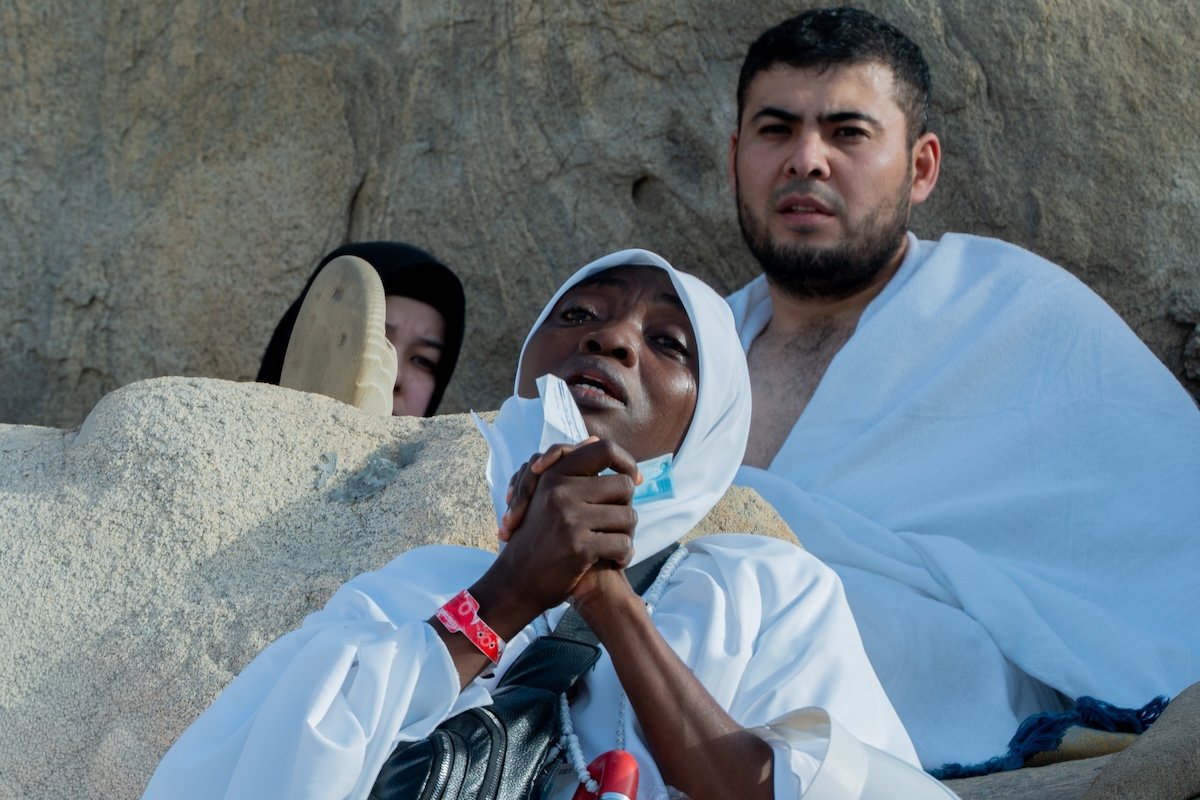
Hajar, however, did not give in to terror. "Has Allah commanded you to do this?" she questioned Ibrahim. When he said "yes," her response turned into one of the greatest statements of faith ever made: "Then Allah will not abandon us."
Even still, their words reverberate through every step of the Hajj.
When baby Ismail cried from thirst, Hajar ran desperately between the hills of Safa and Marwah searching for water. She climbed, looked into the distance, ran back, and repeated the journey seven times. It was the struggle of a mother refusing to surrender. She was exhausted, alone, and uncertain, yet she kept moving.
Then came Allah’s mercy. The well of Zamzam burst forth near Ismail’s feet, turning a lifeless desert into the heart of a future civilisation. To this day, millions of pilgrims retrace Hajar’s footsteps during Sa’i, not in remembrance of a king or warrior, but in honour of a woman’s patience, courage, and trust in Allah.
This is one of the hidden truths of Eid al-Adha and Hajj: behind the sacrifice of Ibrahim was also the silent sacrifice of Hajar.
People often focus on Prophet Ibrahim’s willingness to sacrifice his son, and rightly so, for it is among the greatest acts of obedience in history. But we sometimes overlook the emotional strength of the mother who also lived through that test. Hajar had already endured loneliness, uncertainty, and hardship. She had already sacrificed comfort and security for the sake of Allah long before the day of Eid arrived.
The rituals of Hajj are deeply connected to women, especially the run between Safa and Marwah. Zamzam is tied to her struggle. Even the spirit of sacrifice celebrated during Eid al-Adha reflects the resilience of families who place faith above fear.
In a world where women’s spiritual contributions are often underestimated, Hajar’s story stands as a timeless reminder that faith is not always displayed through public leadership or grand speeches. Sometimes faith is a mother running through the desert for her child. Sometimes it is silent endurance. Sometimes it is trusting Allah when there is no visible path ahead.
ALSO READ: Hebron, a town where Jews and Muslims claim Prophet Ibrahim's legacy
Every year, as Muslims celebrate Eid al-Adha and pilgrims gather in Makkah, the legacy of Hajar lives on. Her footsteps became worship. Her struggle became a ritual. Her sacrifice became history.
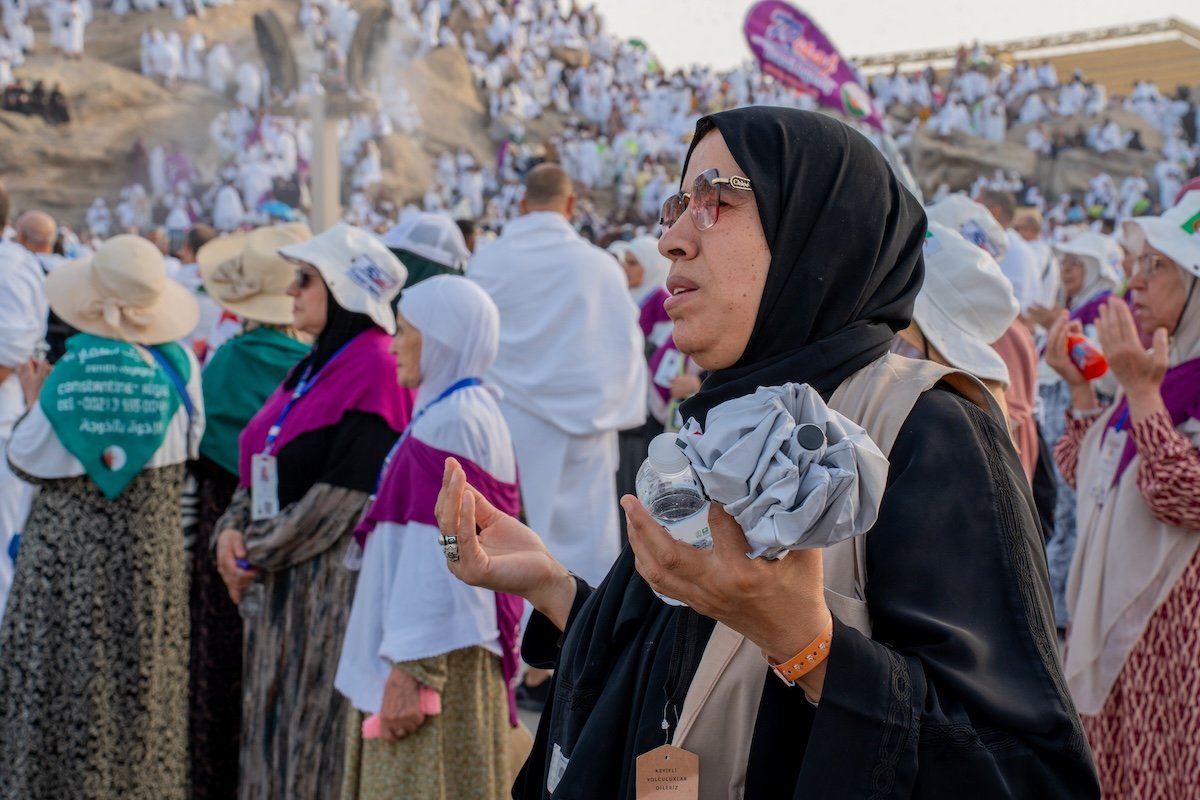
Jutaan jamaah haji dari seluruh dunia memadati Padang Arafah pada puncak ibadah Haji 2026. Wukuf di Arafah menjadi momen paling sakral, saat jutaan umat Islam bersatu dalam doa dan memohon ampunan kepada Allah SWT. #haji #hajj pic.twitter.com/xpDkkDTTdd
— Tasawufcenter (@tasawufcenter) May 26, 2026

_(1).jpg "Visitors gather at the Santosh Mitra Square Durga Puja pandal, themed on the 150th anniversary of Vande Mataram and its historic role in India's freedom movement, ahead of the festival, in Kolkata")
.jpg "Gujarat’s women entrepreneurs bring their craftsmanship to life during Navratri")








_(2).webp)
.webp)