New Delhi
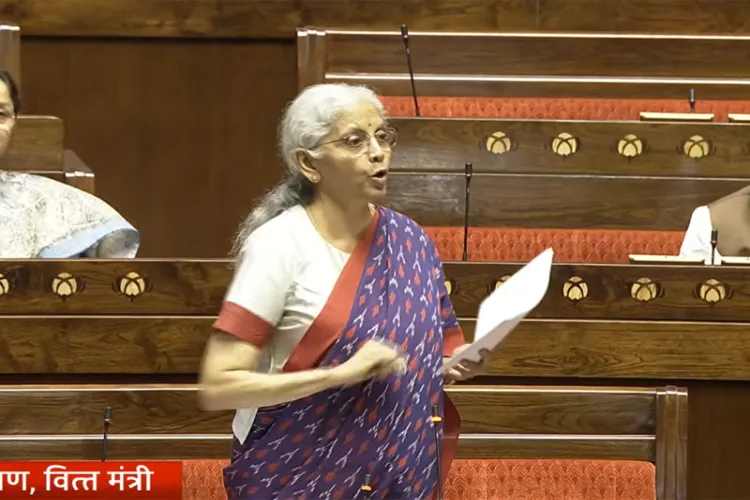
The Rajya Sabha on Tuesday returned the Appropriation Bill, 2026 to the Lok Sabha after a detailed reply by Finance Minister Nirmala Sitharaman, who said the government is taking extensive steps to boost LPG supply amid the ongoing crisis in West Asia.
Addressing the House, Sitharaman said that despite global “turbulent times,” India has increased domestic LPG production by 25 per cent, with the entire additional output being directed toward domestic consumers.
“In the LPG sector, we have been building capacity, and even in these times, the way in which we have ramped up domestic capacity is proving helpful,” she said.
The minister noted that while around 65 per cent of India’s LPG requirements are met through imports, nearly 90 per cent of these imports pass through the Strait of Hormuz, making the situation sensitive amid geopolitical tensions.
“But we are not just depending on getting the steady flow even in troubled waters,” she added, underlining the government’s push towards self-reliance.
She informed Parliament that refineries and petrochemical complexes have been directed to maximise LPG output by diverting propane, butane and related streams into the domestic LPG pool.
Sitharaman linked these measures to the government’s broader Atmanirbhar Bharat initiative, stating that the ability to rapidly increase domestic LPG production is the result of a long-term energy transition strategy launched under Narendra Modi.
“Nothing is standalone—everything in this policy comes together in the name of Atmanirbhar to meet emergency situations,” she said.
Highlighting developments in the power sector, the minister said India’s total installed capacity had more than doubled to 520.5 gigawatts as of January 2026.
She noted that non-fossil energy sources now account for 271.97 gigawatts—over 52 per cent of total capacity—surpassing fossil fuel-based generation for the first time in India’s history.
According to Sitharaman, India achieved this milestone five years ahead of its scheduled target, reflecting sustained policy efforts in renewable energy and energy diversification.
She emphasised that the country’s strengthened power sector and diversified energy mix are providing crucial support in managing supply challenges during the current crisis.
READ MORE: JK bureaucrat Anissa Nabi promotes fitness among women, youth
“The steady policy-backed approach ensures that any situation requiring additional support can be addressed, and domestic supplies will remain streamlined,” she said.











.webp "MEA spokesperson Randhir Jaiswal")
.webp "Minister of State for Home Affairs Nityanand Rai")