New Delhi
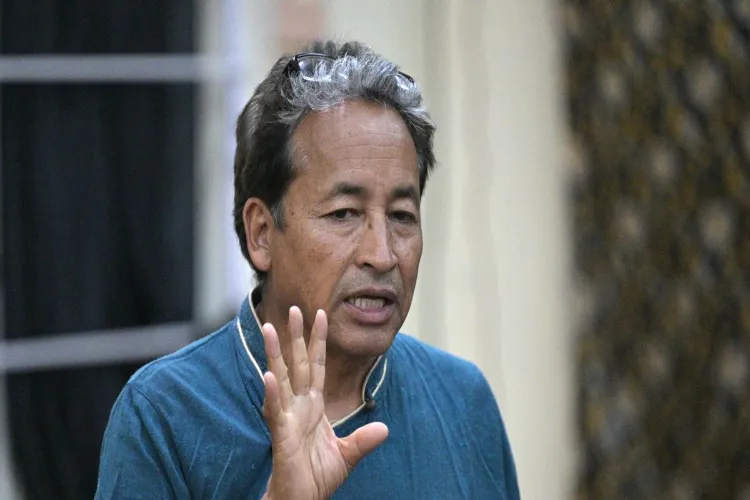
The Supreme Court on Wednesday adjourned to January 8 the hearing on a plea filed by Gitanjali J Angmo, wife of detained climate activist Sonam Wangchuk, challenging his detention under the National Security Act (NSA).
A bench comprising Justices Aravind Kumar and P B Varale deferred the matter after observing that additional time was required to go through the case records.
“Tomorrow? My brother (Justice Varale) wanted to go through this matter,” Justice Kumar said. Senior advocate Kapil Sibal, appearing for Wangchuk, agreed to the adjournment.
The plea was earlier heard by a bench of Justices Aravind Kumar and N V Anjaria.
Angmo’s petition alleges that Wangchuk’s detention is illegal, arbitrary, and violative of his fundamental rights guaranteed under the Constitution.
On November 24, the apex court had deferred the hearing after Solicitor General Tushar Mehta, appearing for the Centre and the Union Territory of Ladakh, sought time to respond to the rejoinder filed by the petitioner. Earlier, on October 29, the court had sought responses from the Centre and the Ladakh administration on Angmo’s amended plea.
Wangchuk was detained under the NSA on September 26, two days after violent protests demanding statehood and Sixth Schedule status for Ladakh resulted in four deaths and injuries to over 90 people in the Union territory. The government has alleged that Wangchuk incited the violence.
According to the amended petition, the detention order is based on “stale FIRs, vague imputations and speculative assertions,” and lacks any live or proximate link with the alleged grounds for detention.
The plea contends that such an exercise of preventive detention powers amounts to a “gross abuse of authority” and strikes at the core of constitutional liberties and due process, rendering the detention order liable to be quashed.
Angmo asserted that it was “wholly preposterous” to target Wangchuk, who has spent over three decades working in Ladakh and has earned recognition at the state, national and international levels for his contributions to education, innovation and environmental conservation.
She further submitted that the violence that occurred in Leh on September 24 cannot be attributed to Wangchuk’s actions or statements. On the contrary, Wangchuk had publicly condemned the violence through his social media platforms, stating that violence would derail Ladakh’s peaceful struggle, which he described as a “tapasya” pursued for the past five years.
According to the plea, Wangchuk termed the day of the violence as the “saddest day” of his life.
READ MORE: IUML's Fatima Muzaffar Ahmed is the epitome of Muslim woman leadership
The National Security Act empowers the Centre and state governments to detain individuals to prevent them from acting in a manner prejudicial to the defence of India. The maximum period of detention under the law is 12 months, though it may be revoked earlier.


.png)