




Tokyo
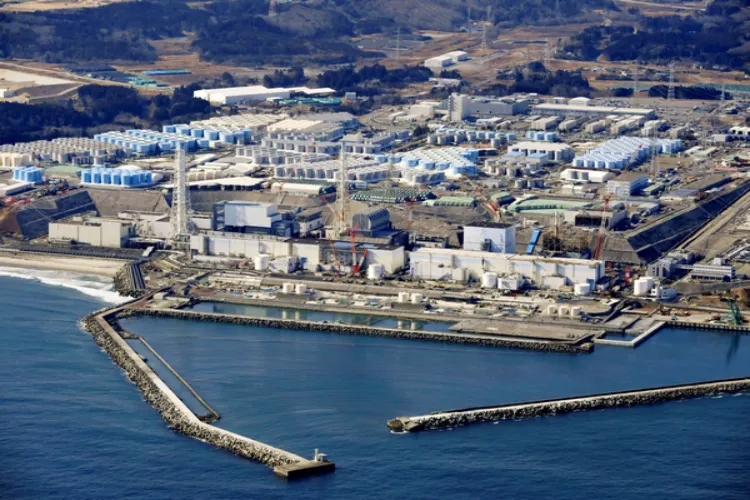
The restart of the world’s largest nuclear power plant was halted on Thursday, just hours after operations resumed for the first time since Japan’s 2011 Fukushima nuclear disaster.
Tokyo Electric Power Company Holdings (TEPCO) said the restart of the No. 6 reactor at the Kashiwazaki-Kariwa nuclear plant in north-central Japan was suspended after a technical issue involving control rods, a key safety mechanism used to regulate nuclear reactions and shut down reactors when necessary.
The company said the glitch did not pose any safety risk and that inspections are underway to assess the problem. TEPCO did not indicate when the restart process would resume.
The development is being closely monitored as TEPCO also operates the Fukushima Daiichi nuclear plant, which suffered catastrophic damage following the massive earthquake and tsunami in March 2011. The incident led to reactor meltdowns, widespread radioactive contamination and a sharp decline in public trust in nuclear power.
Japan, which lacks major natural energy resources, has been gradually increasing its reliance on nuclear power to meet rising electricity demand. While 14 reactors across the country have resumed operations since 2011, the Kashiwazaki-Kariwa facility is the first TEPCO-run nuclear plant to move toward restarting power generation.
All seven reactors at the Kashiwazaki-Kariwa plant had remained offline in the years following the Fukushima disaster. The plant, located about 220 kilometres northwest of Tokyo, has a total generating capacity of 8 million kilowatts, making it the largest nuclear power station in the world.
ALSO READ: Bihar: Muslims donate land for World's largest Ramayan Temple
If fully operational, the No. 6 reactor alone could generate about 1.35 million kilowatts of electricity, enough to supply power to more than one million households in the Tokyo metropolitan area. TEPCO plans to restart only two of the seven reactors in the coming years as it continues efforts to restore confidence and strengthen safety systems.











.webp "US President Donald Trump")


_(1).jpg)
_(4).webp)