Islamabad
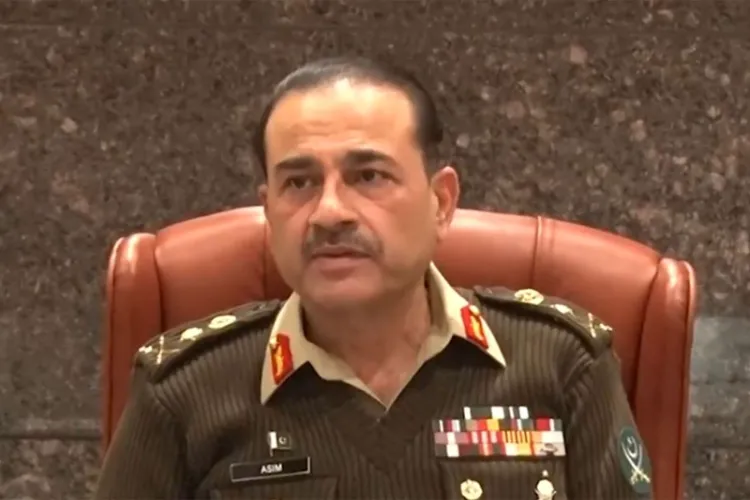
Pakistan Army Chief General Asim Munir travelled to Tehran on Friday amid intensified diplomatic efforts surrounding the fragile situation in West Asia and growing speculation about possible progress in talks between the United States and Iran, according to Iran’s state news agency IRNA.
Munir’s visit comes shortly after Pakistan Interior Minister Mohsin Naqvi concluded a three-day diplomatic engagement in Tehran. Naqvi, who arrived in Iran earlier this week on an unannounced trip, met Iranian President Masoud Pezeshkian and several senior officials during his stay.
Reports in Iranian and Pakistani media indicated that the discussions centred on proposals aimed at reducing tensions between Tehran and Washington, resolving the ongoing impasse, and examining ways to promote lasting peace and stability in the region.
The Pakistan Army chief’s tightly scheduled visit is taking place at a time of heightened international concern, with diplomatic efforts intensifying amid fears of further escalation.
The developments also coincide with changes within Iran’s diplomatic structure. According to Al Arabiya sources, Iranian Foreign Ministry spokesperson Esmail Baqaei has now been appointed as the official spokesperson for Iran’s active negotiating team.
The move is being viewed as part of Tehran’s broader effort to reorganise and strengthen its diplomatic machinery during ongoing regional and international negotiations. At the same time, Iranian Parliament Speaker Mohammad Baqer Ghalibaf has reportedly been reappointed to head the country’s diplomatic delegation.
Retaining Ghalibaf at the forefront of negotiations is seen as a signal that Tehran wants to maintain continuity and ensure strong political backing for its negotiating strategy. The recent appointments are also being interpreted as an attempt by Iranian authorities to streamline communications and reinforce their position during the sensitive diplomatic process.
These internal adjustments come as pressure from Washington continues to mount. On Wednesday, US President Donald Trump warned that diplomacy had reached a critical stage, describing the situation as being on the edge between a possible agreement and a dangerous escalation. The White House has repeatedly warned of severe consequences if the current diplomatic efforts fail to deliver a workable outcome.
At the same time, divisions within Iran have added further complexity to the situation. Hardline groups in the Iranian parliament have accused the United States of using the temporary lull in hostilities to regroup and have threatened a strong response that could widen the conflict beyond West Asia.
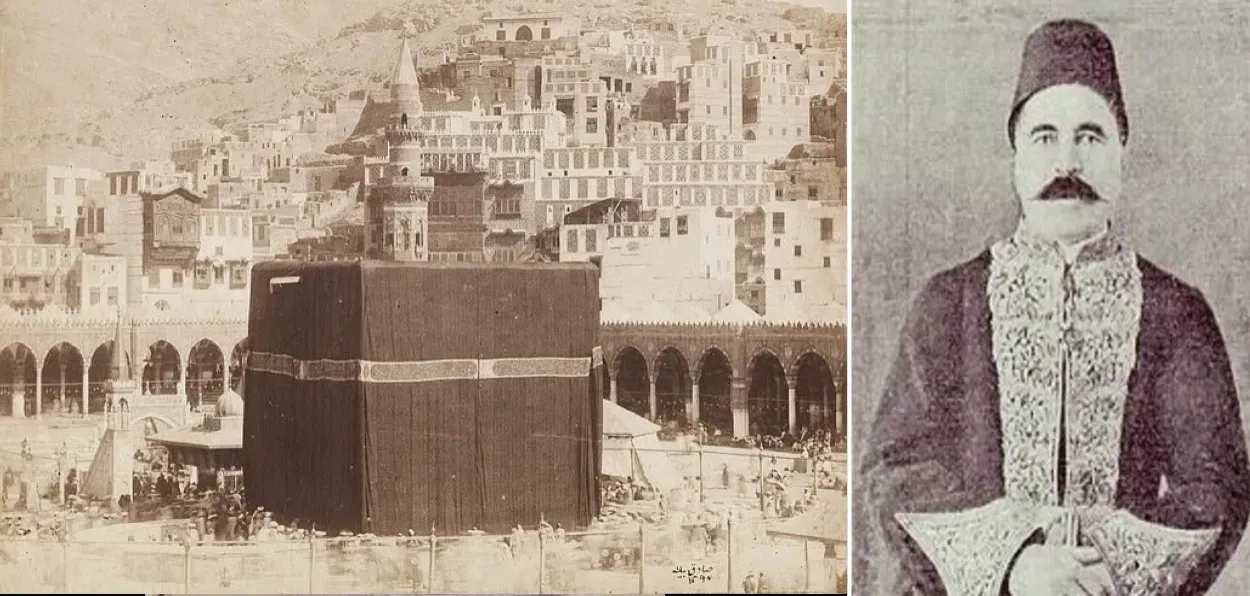
READ MORE: Who clicked the first picture of Holy Kabba?
Against this tense backdrop, Munir’s visit places Pakistan in a sensitive diplomatic position as it attempts to engage with both the Trump administration and the Iranian leadership during a period of growing uncertainty in the region.