Eman Sakina
Every year, there comes a sacred season in the Islamic calendar that carries a unique atmosphere of devotion, sacrifice, remembrance, and mercy. These are the first ten days of Dhul-Hijjah — days that unite the hearts of Muslims across the world.
Friday Musings
These days, millions gather in the blessed lands of Makkah for Hajj, while Muslims elsewhere prepare for Eid-ul-Adha through prayer, fasting, charity, and reflection.
These ten days are not only about rituals performed in one place. They are a spiritual invitation for the entire Ummah. Whether one is standing on the plains of Arafah or sitting quietly in their home far away, the doors of Allah’s mercy remain open.
The first ten days of Dhul-Hijjah are among the greatest days of the entire year.
The Prophet Muhammad said that no righteous deeds are more beloved to Allah than those performed during these ten days. This alone shows their immense value. Scholars often describe these days as a combination of the beauty of Ramadan and the spirit of sacrifice unique to Eid-ul-Adha.
These days also commemorate the legacy of Prophet Ibrahim and his family — a legacy built on obedience, patience, trust, and sacrifice. Hajj itself is deeply connected to the struggles and faith of Ibrahim, Hajar, and Ismail. Eid-ul-Adha continues that remembrance through Qurbani.
Many Muslims think Hajj and Eid-ul-Adha are separate events, but in reality, they are deeply connected.
While pilgrims perform the rites of Hajj in Masjid al-Haram and gather on the plains of Mount Arafat, Muslims around the world spiritually participate through fasting, prayer, remembrance, and sacrifice.
The Day of Arafah, the 9th of Dhul-Hijjah, is the emotional peak of Hajj. Pilgrims stand before Allah in humility, asking for forgiveness and mercy. For those not performing Hajj, fasting on this day carries immense reward and spiritual cleansing.
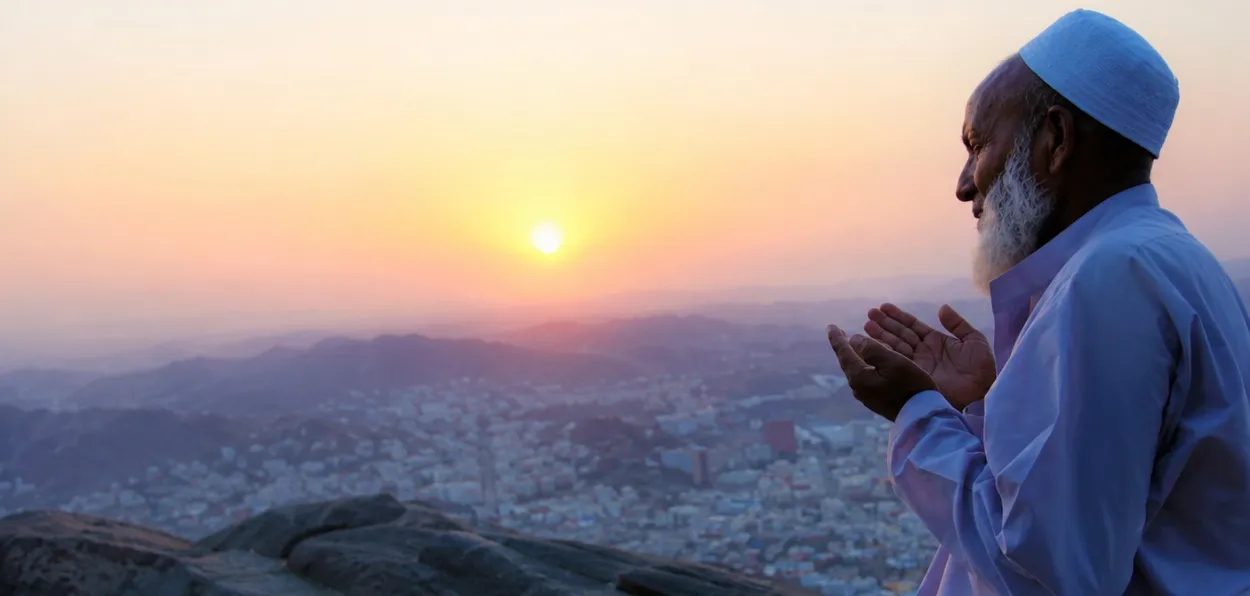
 Muslims at Kabba performing Hajj
Then comes Eid-ul-Adha, the Festival of Sacrifice. It is not merely a celebration of meat distribution or gatherings. It is a reminder of complete submission to Allah. Prophet Ibrahim was willing to sacrifice what was most beloved to him because Allah commanded it. In return, Allah transformed that sacrifice into a symbol of faith for generations.
Hajj teaches surrender. Eid teaches sacrifice. Together, they remind Muslims that faith is not only belief in the heart but obedience in action.
One of the beautiful aspects of Islam is that spiritual opportunities are not restricted only to those travelling to Makkah. Most Muslims around the world will not be on Hajj, yet Allah still allows them to share in the blessings of these sacred days.
A believer at home can still transform these days into moments of immense reward and closeness to Allah.
Increase Your Worship
These ten days should not pass like ordinary days. We can increase voluntary prayers, recite more Qur’an, make sincere dua, and seek forgiveness regularly.
Even small consistent acts matter greatly in these blessed days.
2. Fast, especially on the Day of Arafah
Fasting during the first nine days is rewarding, especially the fast of Arafah. The Prophet PBUH taught that fasting on this day expiates the sins of the previous year and the coming year.
3. Engage in Dhikr
The companions of the Prophet PBUH would fill these days with remembrance of Allah. Repeating phrases such as: Subhan Allah, Alhamdulillah, Allahu Akbar, La ilahaillallah brings life to the heart.
4. Give Charity Generously
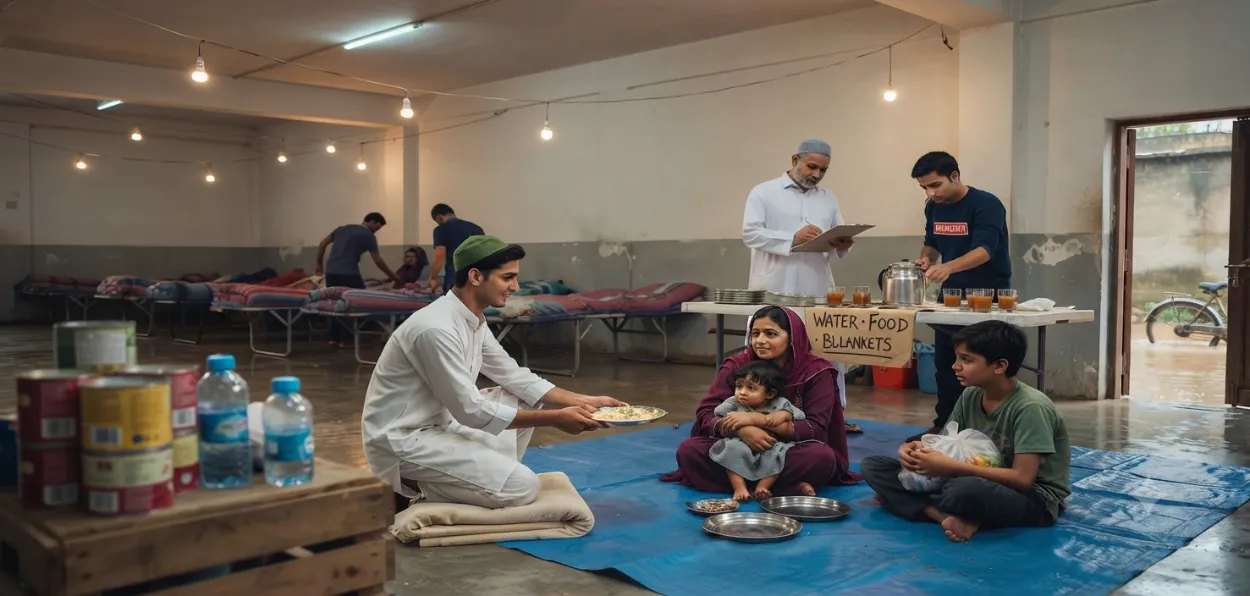
These are days of compassion and generosity. Helping the poor, feeding families, supporting those in hardship, and sharing blessings are beloved acts in Islam.
Eid-ul-Adha itself reminds Muslims that celebration should include care for others.
5. Offer Qurbani with Understanding
Qurbani is not merely a ritual slaughter; it symbolises surrender to Allah and willingness to place faith above personal attachment.
The Qur’an reminds believers that neither the meat nor the blood reaches Allah, but rather the taqwa — the sincerity and consciousness within the heart.
A meaningful Qurbani changes the person offering it, not just the animal being sacrificed.
6. Reflect on Your Own Sacrifices
Dhul-Hijjah encourages every Muslim to ask difficult questions:
What am I sacrificing for my faith?
What habits must I leave behind?
What distractions are distancing me from Allah?
What kind of person do I want to become?
True sacrifice is often internal before it becomes external.
Modern life moves quickly. People become consumed by screens, work, entertainment, and endless distractions. Dhul-Hijjah interrupts that routine and reminds humanity of something greater.
The pilgrims in white garments standing equally before Allah are a reminder that status, wealth, nationality, and appearance ultimately disappear. What remains is sincerity.
The sacrifice of Eid reminds believers that faith sometimes requires letting go.The fast of Arafah reminds believers that Allah’s mercy is always near.
ALSO READ: Can Indian Muslims reclaim the idea of coexistence in digital age?
And the first ten days of Dhul-Hijjah remind Muslims that certain moments in life are gifts — sacred windows where hearts can return to their Creator.