Mir Altaf
A few months ago, during an informal interaction with students in Kashmir, a teacher asked: What influences your identity the most today? The answers reflected the complexity of an entire generation. Some spoke about religion; others mentioned social media influencers, political content, Korean music, online debates, or global popular culture. One student quietly remarked that most of his understanding of communities outside his own now came from short videos and comment sections in online posts.
That response captures a defining reality of our time: people are more digitally connected than ever before, yet often more emotionally and socially disconnected.
As the world marks the World Day for Cultural Diversity for Dialogue and Development on May 21, the conversation around diversity requires deeper introspection. The challenge before societies today is not simply preserving cultural differences, but preserving the human ability to engage meaningfully across those differences.
Technology has transformed the nature of social interaction. Social media platforms are designed to maximise attention, and outrage travels faster than understanding. Nuanced conversations rarely compete successfully against emotionally charged narratives. Communities increasingly encounter one another through stereotypes, selective clips, and algorithm-driven perceptions rather than through lived social experience.
This transformation is reshaping societies across the world. In many democracies, political identity has become deeply emotional and performative. Public discourse is often driven less by reflection and more by reaction because outrage sustains visibility in the digital economy. Algorithms reward certainty, not nuance; provocation, not complexity.
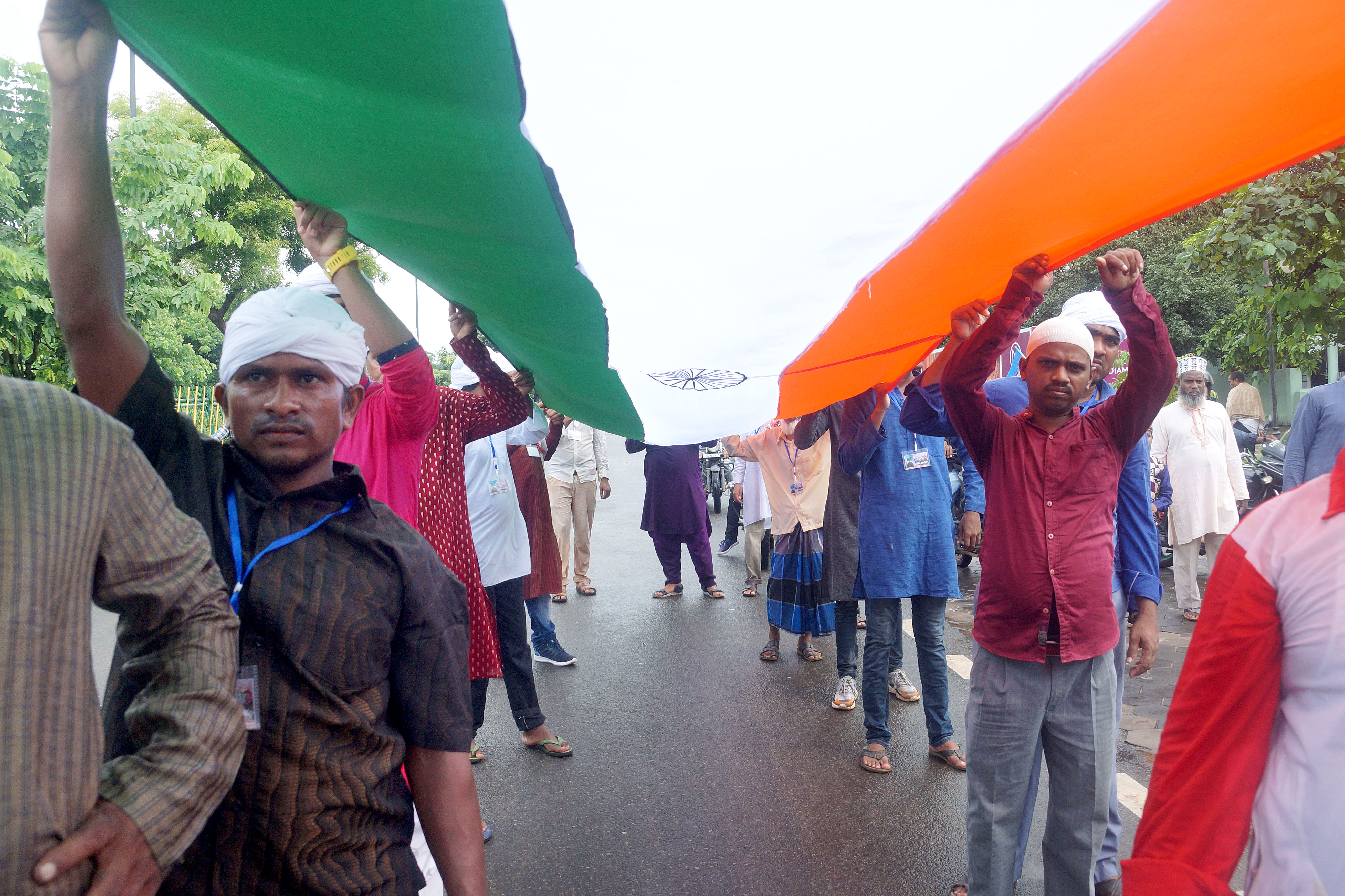 Muslims diplaying a massive Indian tricolour during a prosession on Eid Milad un Nabi in Bhubhanewswar
India, with its extraordinary diversity, faces this challenge in particularly significant ways. For centuries, India’s social fabric has evolved through continuous interaction between communities, languages, traditions, and faiths. Diversity here was never merely theoretical. It existed in neighbourhoods, educational institutions, markets, poetry, cuisine, and shared cultural spaces. Indian pluralism survived not because differences disappeared, but because everyday life encouraged coexistence.
Yet the digital age is changing how communities relate to one another. Television debates often reward confrontation over dialogue. Social media ecosystems encourage instant judgment instead of reflection. Young people today consume enormous quantities of information, but meaningful interaction across social and ideological boundaries is becoming rarer. A generation that communicates constantly online may remain socially segregated in imagination.
This reality carries an important lesson for Indian Muslims as well. At a time when digital culture frequently pushes communities toward reaction, defensiveness, and identity-based isolation, Indian Muslims face a critical intellectual choice. The future cannot be built merely through perpetual grievance, online outrage, or withdrawal into closed social spaces. Nor can identity survive meaningfully if it becomes disconnected from wider civic participation.
The deeper inheritance of Indian Islam has historically been one of engagement rather than isolation. From the scholarly traditions of Aligarh to the spiritual and cultural influence of Sufi institutions across the subcontinent, Indian Muslims contributed not only to religious life but also to language, music, literature, architecture, education, and public ethics. Urdu poetry itself became one of the most powerful expressions of shared civilisational culture rather than sectarian separation. Even India’s culinary and artistic traditions evolved through centuries of cultural interaction rather than rigid isolation.
This historical experience matters in the present moment. Indian Muslims today are uniquely positioned to contribute to the rebuilding of democratic coexistence because their lived experience has often involved negotiating multiple identities simultaneously: religious, linguistic, regional, and national. In many ways, the Muslim social experience in India already contains an understanding that coexistence is not weakness, but maturity.
However, preserving that inheritance requires intellectual confidence. A generation raised amid digital hyper-engagement must resist reducing identity solely to reaction. Confidence cannot emerge merely from symbolic assertion online; it must emerge from education, institution-building, scholarship, entrepreneurship, civic participation, and ethical public leadership. The conversation, therefore, needs to move beyond the language of insecurity toward the language of contribution.
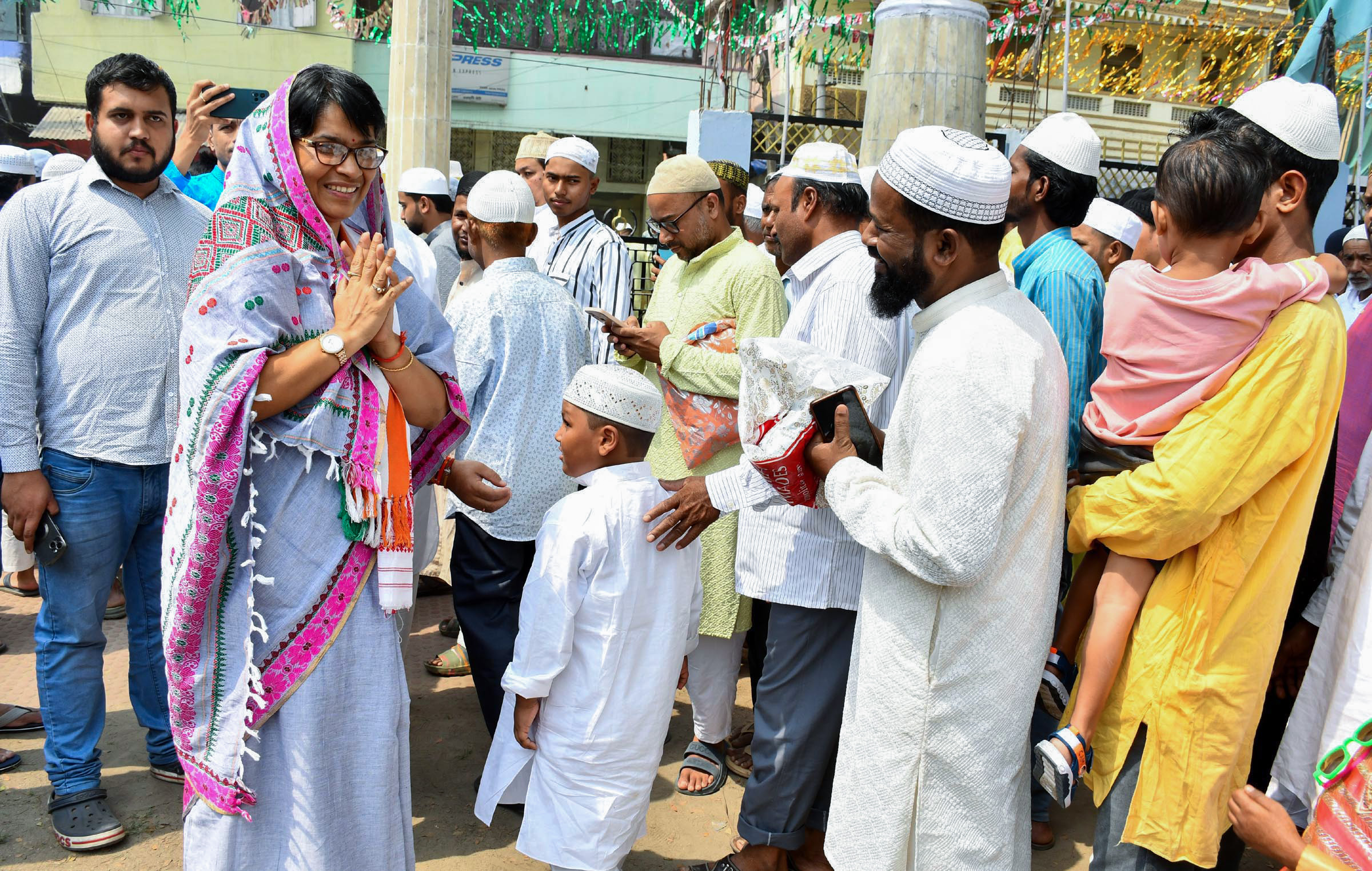 A Hindu candidate seeking votes from Muslims in Guwahati
This shift is especially important because digital discourse often traps communities in cycles of emotional exhaustion. Constant exposure to outrage can gradually produce either anger or withdrawal. Neither creates sustainable social confidence. Communities grow stronger when they build institutions, produce scholarship, participate in public life, and shape national conversations through contribution rather than reaction alone.
Across India, there are already examples of this quieter transformation. Muslim women entering higher education in greater numbers, young entrepreneurs building businesses, students excelling in civil services and academia, interfaith community initiatives, and local cultural collaborations rarely dominate headlines, but they represent important forms of social confidence.
Equally significant is the emergence of a younger generation of Indian Muslims engaging with technology, media, and entrepreneurship on their own terms. From independent journalism and digital education platforms to social initiatives and creative arts, many young Muslims are increasingly seeking participation rather than isolation. This shift deserves greater attention because it represents the possibility of a healthier public culture.
In the creative sphere, too, Muslim content creators, stand-up comedians, filmmakers, podcasters, musicians, and writers are increasingly occupying mainstream digital spaces without reducing themselves to identity assertion. The popularity of artists such as Zakir Khan, D, and filmmakers like Zoya Akhtar and Reema Kagti reflects a generation attempting to engage wider audiences through humour, storytelling, cinema, music, and shared cultural experience rather than ideological isolation.
The role of educational institutions becomes crucial here. Schools, universities, madrassas, and community organisations must not merely prepare young people for employment, but also for democratic coexistence. The ability to disagree without hatred, to participate without fear, and to retain identity without hostility are civic skills that societies must consciously cultivate.
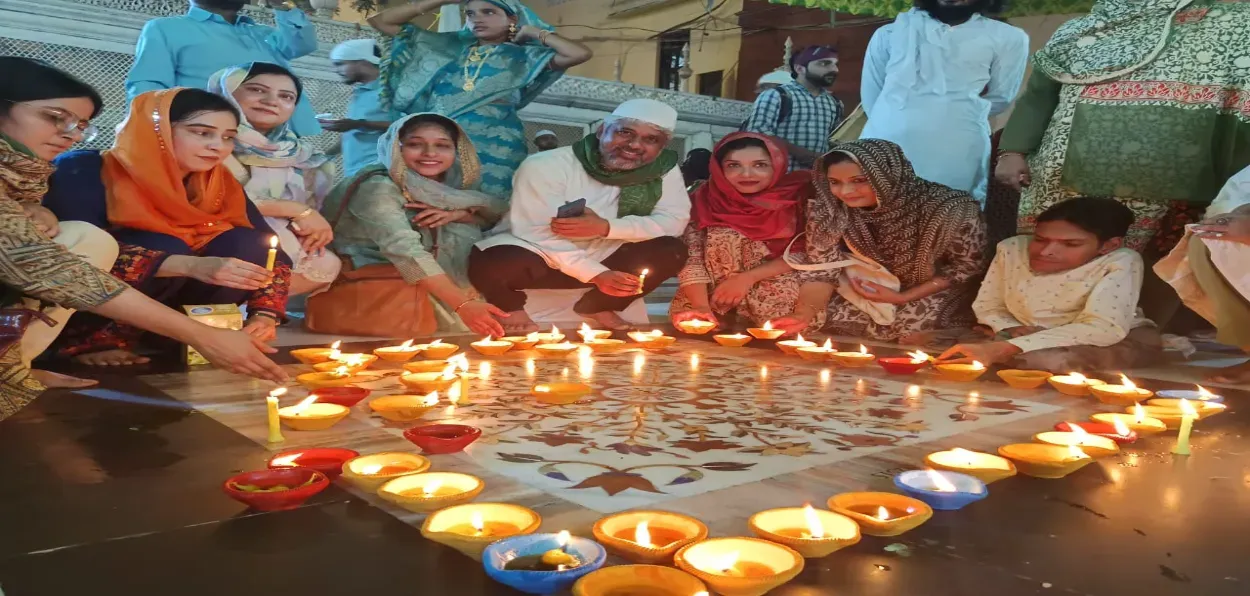
This is why the preservation of shared cultural spaces matters deeply. Whether through literature festivals, universities, neighbourhood interactions, sports, local community initiatives, or even Sufi shrines that continue to attract people across social boundaries, coexistence survives through lived interaction. Democracies weaken when communities stop encountering one another as human beings and begin seeing each other only as ideological abstractions.
The future of diversity in India will depend not only on constitutional principles or state institutions, but also on whether citizens themselves can resist becoming prisoners of algorithmic hostility.
Media institutions must encourage nuance instead of perpetual outrage. Educational spaces must cultivate critical thinking and dialogue. Public discourse must create room for disagreement without dehumanisation. Most importantly, communities themselves must rediscover the confidence to engage rather than retreat.
For Indian Muslims, this moment presents not merely a challenge, but also an opportunity — the opportunity to help shape a democratic culture rooted in dignity, participation, and coexistence rather than reaction and suspicion.
In an age where digital platforms increasingly reward anger, societies need communities capable of defending balance, restraint, and dialogue.
That responsibility belongs to everyone. But perhaps communities with a historical experience of coexistence understand its value most deeply when it begins to disappear. And that may ultimately become one of the most important contributions Indian Muslims can make to the future of India’s plural democracy.
The author is a Kashmir-based educator.

_(1).jpg "Visitors gather at the Santosh Mitra Square Durga Puja pandal, themed on the 150th anniversary of Vande Mataram and its historic role in India's freedom movement, ahead of the festival, in Kolkata")
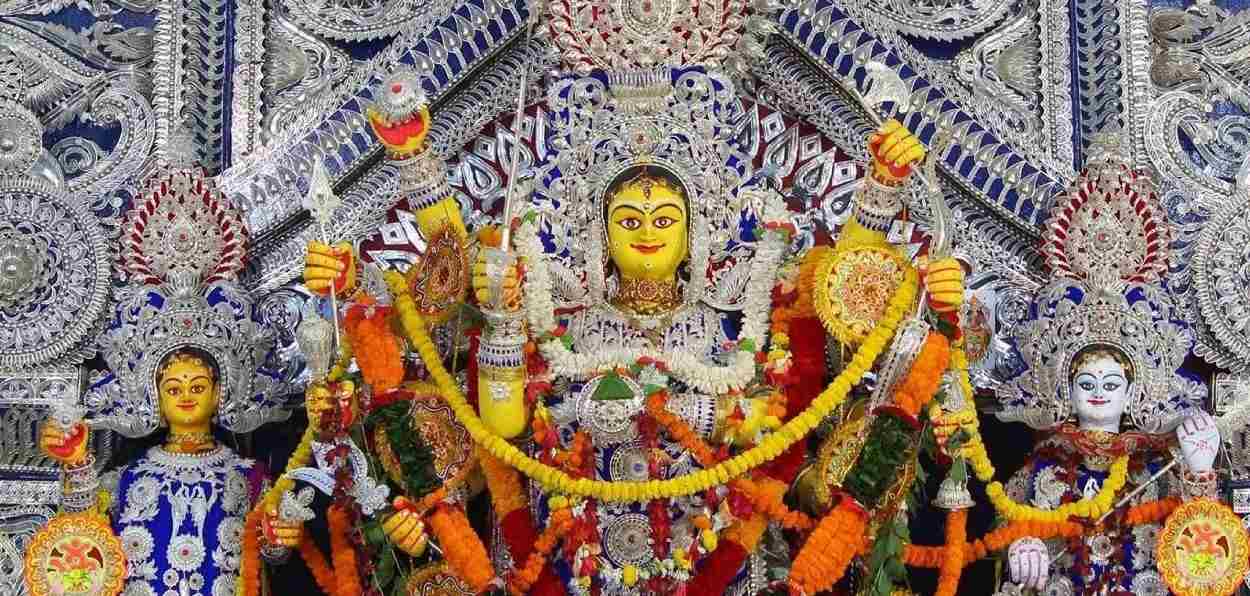
.jpg "Gujarat’s women entrepreneurs bring their craftsmanship to life during Navratri")






.webp)