




Islamabad
Pakistan is looking to expand exports of donkey meat, hides and other donkey-derived products to China, citing growing demand in the Chinese market, according to the country's latest economic survey.
The proposal was outlined in the Pakistan Economic Survey 2025-26, unveiled on Thursday by Finance Minister Muhammad Aurangzeb.
Under a section titled "New Export Avenue for Donkey Meat and Other Products", the survey said the trade presents a niche but promising opportunity due to increasing Chinese demand for products derived from donkeys.
"The export of donkey meat, hides, and related products offers a niche market with strong growth potential," the survey noted, adding that the demand is driven by the popularity of donkey meat, donkey milk and Eijiao—a gelatin made from donkey hide that is widely used in traditional Chinese medicine and valued for its perceived nutritional and medicinal benefits.
To facilitate the trade, Pakistan and China have already signed sanitary protocols governing these exports, the survey said. Authorities believe the initiative could attract foreign investment, deepen bilateral economic ties and generate employment opportunities, particularly for rural communities involved in livestock rearing.
The survey further revealed that a new licence has been granted to M/s Shahzad and Shao to establish a donkey slaughterhouse in the Gwadar Free Zone. With this approval, the number of licensed companies involved in the sector has risen to two, alongside M/s Hangeng Trade.
Pakistan's donkey population has also registered an increase. According to the survey, the number of donkeys in the country rose from 6 million in 2024-25 to 6.2 million in 2025-26, compared to 5.9 million in 2023-24.
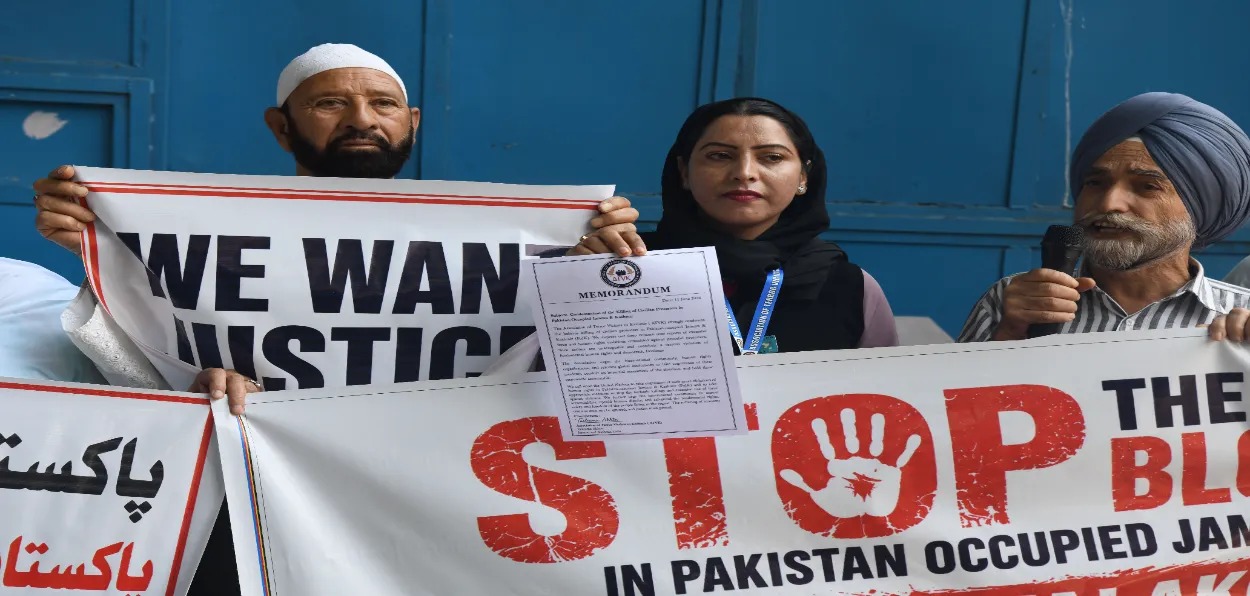
READ MORE: Srinagar: leaders, civil society members protest against PoJK killings
Traditionally, donkeys have played an important role in Pakistan's rural economy, where they are widely used for transporting crops, fodder, firewood and other goods. They continue to be a vital source of support for agrarian households and small farmers across the country.











.webp "Representational Image")




.webp)